How Much to Budget for Chimney Cleaning & Repair in Toronto?
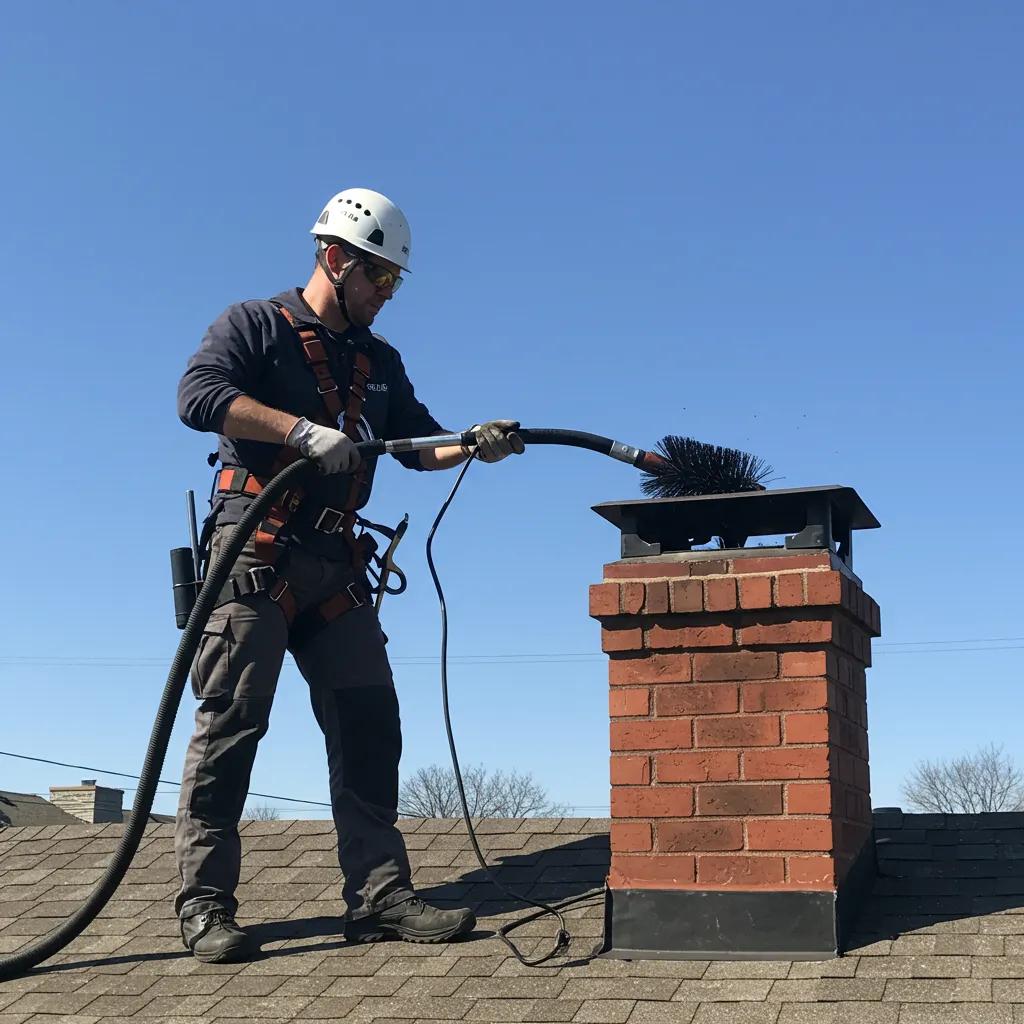
Ensure your chimney is safe and efficient! Learn how much to budget for cleaning and repairs in Toronto, with helpful tips and cost insights.
How to Spot Chimney Repair Needs Before It’s Too Late
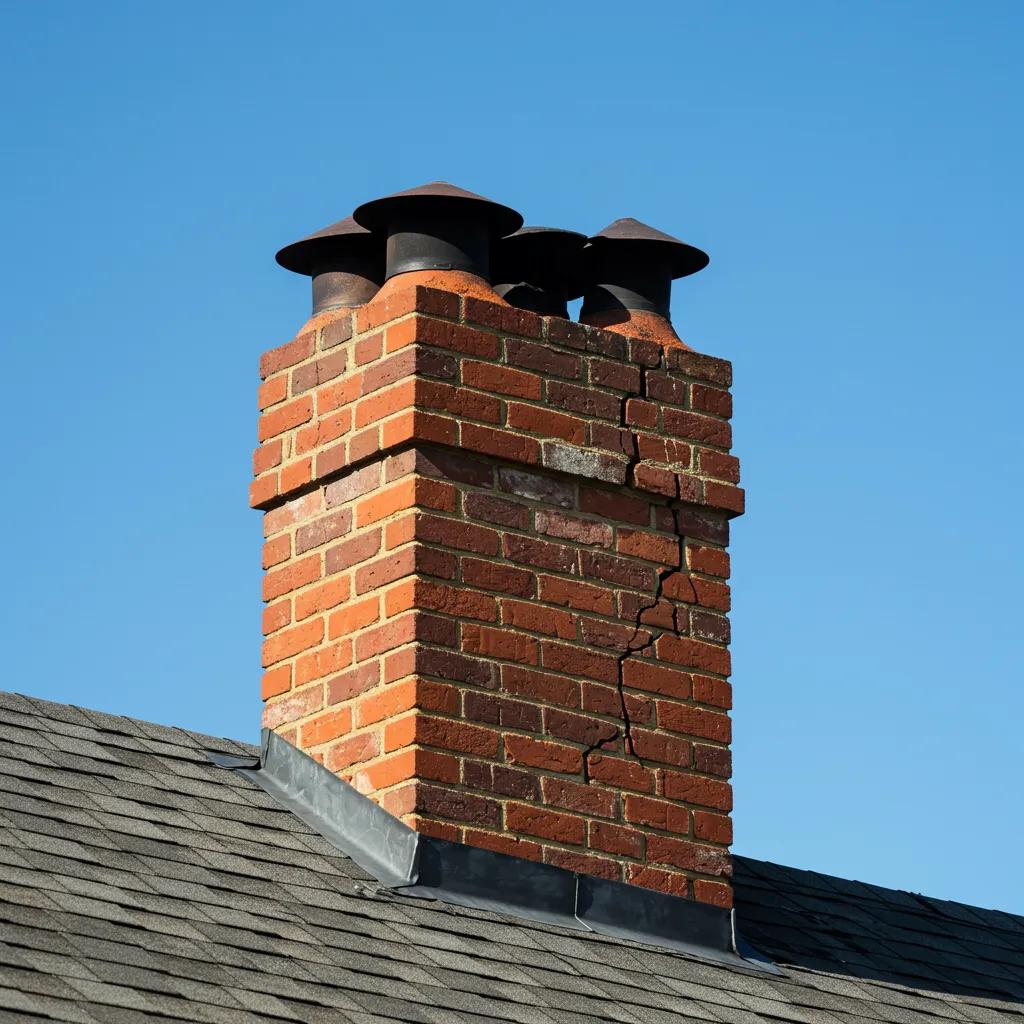
Is your brick chimney showing signs of damage? Learn key indicators for needed repairs and ensure your home stays safe and sound. Don’t wait too long!
Master Chimney Repair Techniques for Homes in Toronto Today
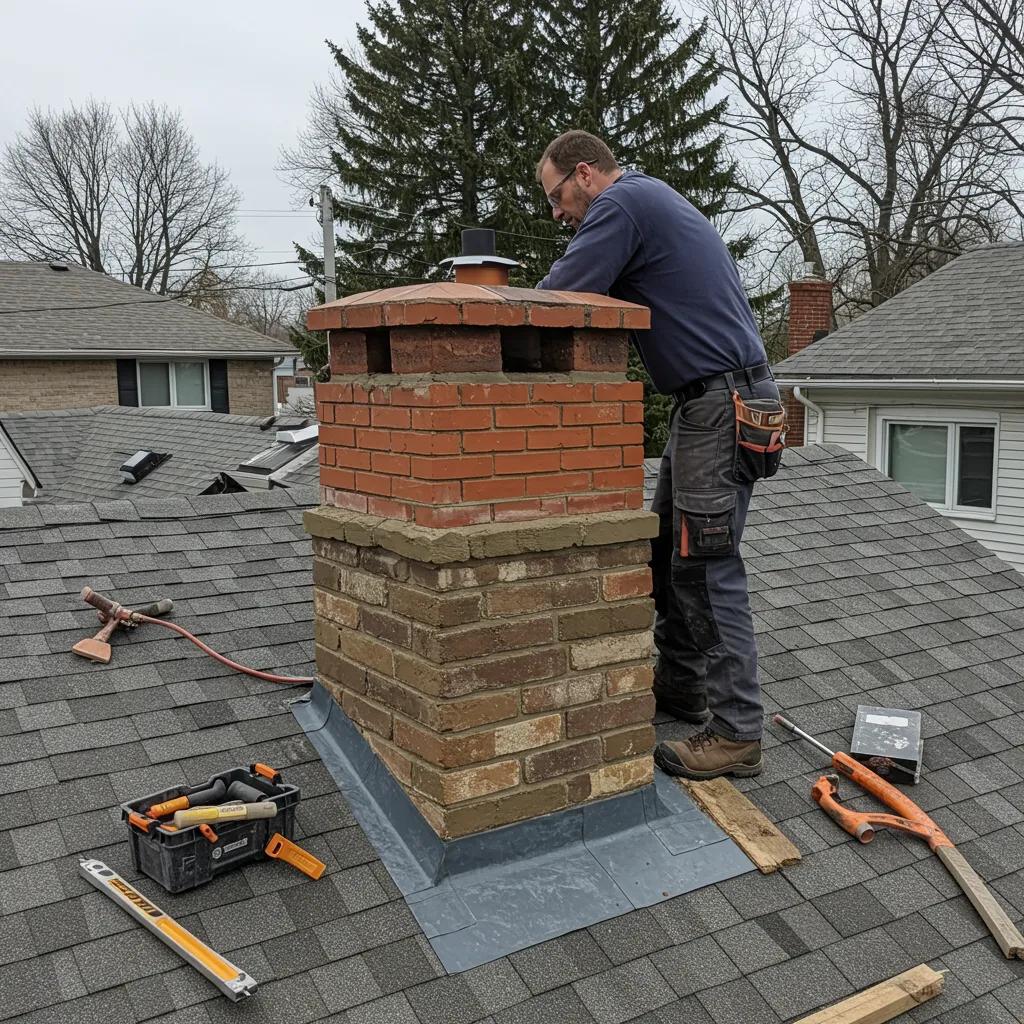
Master essential chimney repair techniques for Toronto homes. Ensure safety and efficiency with expert tips to maintain your chimney today. Don’t wait!
Unlock Your Chimney’s Secrets: Essential Toronto Homeowner’s Guide to Safe & Efficient Care
Toronto homeowners, beware of the hidden dangers lurking in your chimneys! Over 70% of home chimney fires stem from neglected maintenance. This guide is your key to mastering chimney cleaning in Toronto, helping you dodge fires, boost your heating’s performance, and stay on the right side of local safety laws. Discover why a clean chimney is non-negotiable, how often to book a sweep, what the pros do, how much it costs, tips for every fireplace type, when repairs are a must, and the specific rules for Toronto. Equip yourself with this knowledge for a cozier, safer home and the confidence that your masonry is in expert hands. Why Your Toronto Chimney Demands Regular Cleaning Chimney cleaning is your first line of defense against flammable creosote and soot. It clears out dangerous blockages, ensures a healthy draft, and lets combustion gases escape safely. Think of it as essential preventative care that shields your home from fires, deadly carbon monoxide, and expensive structural damage, all while keeping your flue clear and your masonry sound. The Real Risks of Creosote and Soot Buildup Creosote, a sticky tar-like substance, forms when wood doesn’t burn completely. It clings to your flue walls, hardens over time, and can easily ignite, sparking dangerous chimney fires and sending smoke back into your home. Regular cleaning is vital to protect your family, your home, and the air you breathe. The Dangers of Creosote Buildup and Chimney Fires Creosote is a highly flammable byproduct of wood combustion and is identified as a leading cause of chimney fires. Studies indicate that creosote buildup, even as little as 1/8 to 1/4 inch (3-6 mm), was involved in a significant majority of reported chimney fires, highlighting its critical role as a fire hazard. This research directly supports the article’s claims regarding the dangers of creosote accumulation and its direct link to chimney fires, emphasizing the need for regular cleaning. Boost Your Home’s Efficiency and Air Quality with Regular Cleaning A clean chimney means clear airflow, which translates to a better draft and more efficient burning. Less heat escapes up the flue, meaning you’ll use less wood and save on energy bills. Plus, better exhaust flow keeps smoke where it belongs – outside – ensuring healthier indoor air and banishing unpleasant smoky smells. What Canadian Fire Statistics Tell Us About Chimney Cleaning Needs Did you know nearly one in five residential fires in Canada starts in a chimney? Ontario sees the most incidents. Data shows that annual cleaning can slash chimney fire occurrences by a significant 65%. These numbers are a stark reminder to keep up with maintenance, follow the National Fire Code of Canada, and safeguard your Toronto home. Residential Fire Incidents and Ignition Sources in Canada Structural fires are the most common type of fire incident in Canada, with residential fires accounting for a large proportion. In Ontario, residential fires constituted 74% of structure loss fires in 2018. Heating equipment, including wood stoves, chimneys, and fireplaces, are frequently identified as ignition sources for fatal fires in the province. These statistics underscore the prevalence of residential fires in Canada, particularly in Ontario, and highlight heating systems as a significant cause, reinforcing the article’s emphasis on chimney maintenance for fire prevention. Your Chimney Cleaning Schedule in Toronto: When to Book a Sweep How often you need your chimney cleaned hinges on what you burn, how often you use it, and how much buildup you see. Sticking to a schedule means removing dangerous deposits before they become a serious threat, ensuring your chimney works reliably and safely. The Recommended Cleaning Schedule for Wood-Burning Fireplaces For wood-burning fireplaces, aim for a professional cleaning at least once a year, or after about 40 fires that burn for a good while. If you’re a heavy user or burn less-than-perfectly seasoned wood, consider a sweep twice a year. Fuel Type Recommended Interval Why It Matters Hardwood After 40 burns or annually Produces moderate creosote buildup. Softwood Every 30 burns or biannually Leads to faster accumulation of flaky deposits. Wood Stove Annually Even controlled burns generate soot. Keeping to this rhythm prevents creosote layers from exceeding the 3 mm safety limit. Gas Fireplace Cleaning and Maintenance Frequency Gas fireplaces need an annual check-up and cleaning. This involves removing any soot from the logs, inspecting gas lines, and confirming the venting system is working correctly. Certified technicians will check pilot lights, clean burner ports, and test your carbon monoxide detectors. This ensures a consistent flame and keeps CO risks at bay. Warning Signs Your Chimney Needs an Immediate Cleaning Don’t wait if you notice any of these red flags: Spotting Creosote Thickness and Odour Alerts Creosote can look like dark flakes or, in advanced stages, a shiny, tar-like substance. Shine a flashlight down the flue to check the depth – if it’s more than 1⁄8 inch (3 mm) thick, it’s time for a professional cleaning. A strong, lingering smoky smell indoors is a clear sign that your chimney isn’t drafting properly and might be blocked. What’s Included in a Professional Chimney Sweep Service in Toronto? A certified chimney sweep offers more than just cleaning; they provide a thorough inspection and safety check. This systematic process clears obstructions, assesses the flue’s condition, and provides you with a detailed report for complete peace of mind. Why Hiring a WETT Certified Chimney Sweep is Crucial WETT certification means a technician has undergone rigorous training in wood energy safety and understands all relevant codes. A WETT certified professional: This certification is your assurance of expert service aimed at preventing fires and ensuring your fireplace operates at its best. The Step-by-Step Process of a Comprehensive Chimney Cleaning A professional sweep follows a precise routine: This meticulous approach guarantees a clean, safe, and fully functional chimney system. How Rox Masonry Guarantees a Superior Chimney Cleaning Experience At Rox Masonry, we combine WETT certified experts with cutting-edge camera technology, powerful HEPA vacuums, and specialized cleaning brushes. Every service includes a detailed report with photos and personalized safety
Toronto Chimney Care Costs: Your Guide to Cleaning & Repair Expenses
Curious about the cost of chimney cleaning and repairs in Toronto? Figuring out chimney service prices can seem tricky with so many factors like flue condition, repair needs, and local rates. This guide breaks down average cleaning fees, typical repair expenses, what influences costs, inspection prices, how to pick a pro, ways to prevent issues, and how to get a free quote from Rox Masonry. You’ll know exactly what you’re paying for and why expert care keeps your chimney safe and working right. Toronto Chimney Cleaning: What to Expect Cost-Wise Chimney cleaning removes soot and creosote from your flue, making it work better and reducing fire risks. This also improves your home’s air quality and helps your chimney last longer. A regular sweep stops dangerous blockages and ensures safe heating. Here’s a look at typical cleaning costs in Toronto. Keep in mind that service levels differ based on time, tools, and safety precautions. Service Level Typical Price Range (CAD) What’s Included Standard Chimney Sweep 150 – 250 Brush cleaning, soot removal, basic flue check Cleaning & Inspection 200 – 400 Includes moisture check, damper & cap inspection Deep Power Cleaning 250 – 400 High-pressure flue wash, creosote treatment Chimney Service Costs and Repair Estimates in Toronto HomeStars, a Canadian home services platform, provides detailed cost breakdowns for chimney services in Toronto. They indicate that average chimney costs in Toronto can hover around $1,500, with typical chimney sweeping ranging from $150 to $250. More extensive chimney repairs can vary from $300 to over $3,000, while full chimney rebuilds may exceed $20,000. This research directly supports the article’s discussion on average cleaning, repair, and rebuild costs in Toronto and the GTA, providing verified price ranges for homeowners. What Does a Basic Chimney Cleaning Cover? A basic chimney clean involves brushing, vacuuming with a powerful system, and a visual check of the flue. Our technicians clear out soot and debris, preventing flammable creosote buildup. The process includes: This ensures clear passages and addresses minor blockages, preparing your chimney for further maintenance or repairs. How Chimney Size and Type Impact Cleaning Prices The dimensions and materials of your chimney affect how complex and time-consuming the cleaning is. Taller chimneys need more setup with ladders and scaffolding, while chimneys with multiple flues or custom liners require special tools. Key factors include: Considering these details helps our technicians plan for the right safety gear and labor, leading to accurate cost estimates. Typical Prices for Advanced Cleaning Services Advanced cleaning uses power tools, special treatments for creosote, and video inspections for heavy buildup. These premium services offer a deeper clean and digital records: Investing in advanced cleaning helps prevent expensive damage down the line and gives you a clear report for planning any necessary repairs. Chimney Repair Costs in Toronto and the GTA Chimney repairs involve various masonry fixes and component replacements to restore strength and weather resistance. From small mortar repairs to complete rebuilds, each service addresses specific wear and tear. The table below shows common repair types and their average costs. Repair Type Price Range (CAD) What It Addresses Tuckpointing (per sq ft) 50 – 100 Restoring worn-out mortar joints Chimney Liner Replacement 2,000 – 5,000 Installing new stainless steel or clay liners Crown Repair/Resurfacing 500 – 1,200 Fixing cracks and sealing the chimney crown Flashing Repair 350 – 700 Waterproofing the seal where the chimney meets the roof Partial Rebuild (up to 6 bricks) 1,000 – 2,500 Replacing damaged brick sections Full Rebuild (stack only) 3,000 – 10,000+ Dismantling and rebuilding the chimney structure Costs for Common Chimney Repairs Homeowners often need repairs for cracked masonry, leaning bricks, or crumbling mortar. Typical repair tasks include: Addressing these issues promptly prevents water damage and structural weakening. Chimney Liner Replacement Cost in Toronto Chimney liners protect the masonry from heat and corrosive gases. Replacing them involves removal, installation, and insulation. Costs vary by material: Liner Type Material Price Range (CAD) Estimated Lifespan Stainless-Steel Metal 2,000 – 4,000 20 – 30 years Cast-in-place Ceramic/Cement 3,500 – 6,000 50+ years Clay Surrogate Clay 2,500 – 5,000 30 – 50 years Choosing quality materials and professional installation ensures your flue is safe and durable. Chimney Tuckpointing Service Prices Tuckpointing restores mortar joints to stop water leaks and prevent bricks from shifting. Contractors typically charge between 50 – 100 CAD per square foot. The type of mortar and depth of the joints can affect the final price. Chimney Crown and Flashing Repair Costs Fixing a cracked crown and resealing the flashing prevents leaks that can damage your ceiling and framing. Average costs are: Properly sealing these parts keeps your chimney weatherproof, especially through Toronto’s harsh winters and thaws. Full Chimney Rebuild Expenses in Toronto A full chimney rebuild means taking down the old brickwork and constructing a new one according to building codes. Prices range from 3,000 – 10,000+ CAD, depending on the chimney’s height, size, and the quality of materials used. This extensive repair fixes severe damage and restores structural safety. Typical Cost for Leaky Chimney Repair Fixing chimney leaks involves finding the source—whether it’s crown cracks, faulty flashing, or gaps in the mortar—and making targeted repairs. Typical costs include: Factors Affecting Chimney Cleaning and Repair Costs in Toronto Several key factors influence the final cost of chimney services, helping you understand why quotes can vary. The main cost drivers include how easy it is to access the chimney, how severe the damage is, the materials chosen, local labor rates, and how quickly the service is needed. Knowing these factors helps you budget and plan more effectively. How Chimney Height and Access Impact Pricing Taller chimneys and steep roof pitches require more safety measures and take longer to work on. If scaffolding or extended ladders are needed, expect an additional 10–25% charge to cover equipment and crew coordination. How Damage Severity Affects Repair Costs Minor cracks in the mortar cost much less to fix than widespread brick damage or structural issues. Repair costs increase with complexity—from simple surface
Expert Chimney Repair for Toronto Homes: Solutions, Costs, and Prevention
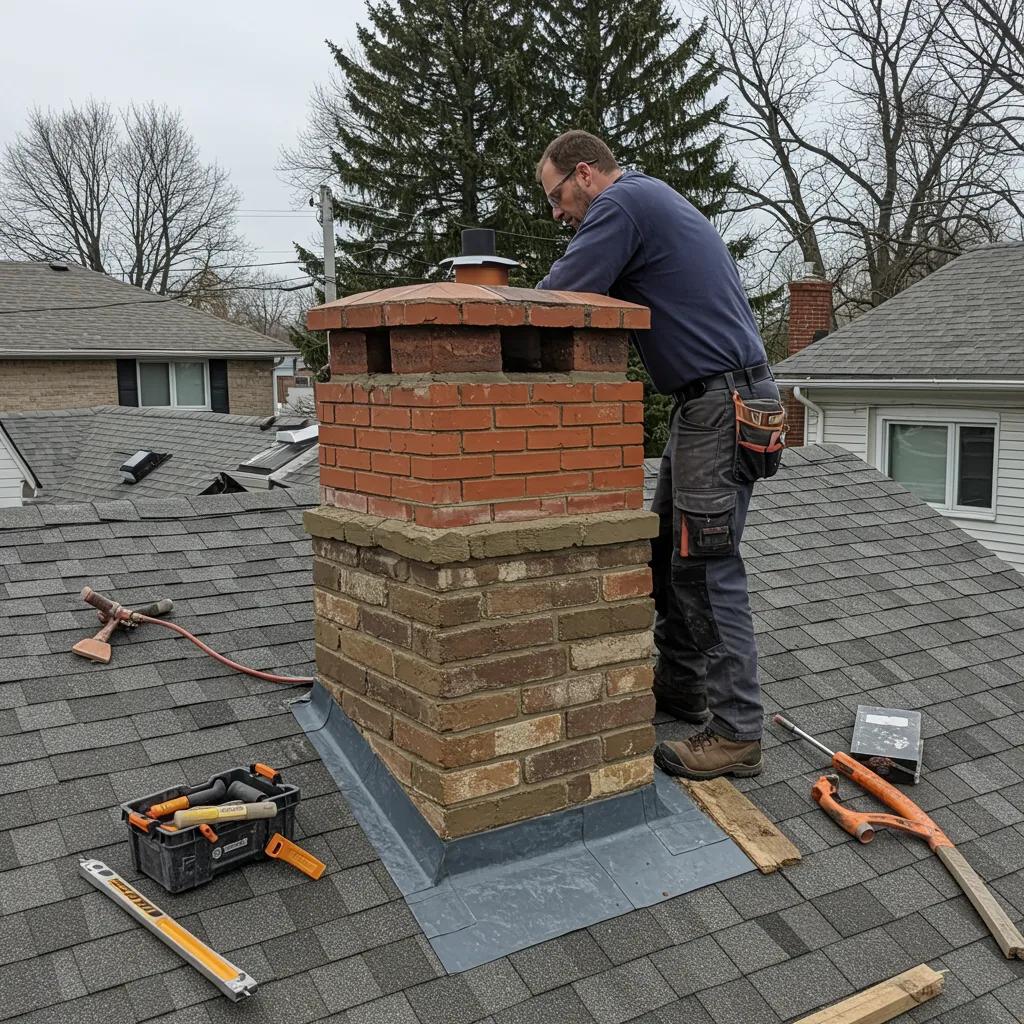
Toronto’s challenging climate, with its relentless freeze-thaw cycles, takes a toll on masonry, leading to issues like spalling, leaks, and structural weakness. This comprehensive guide is designed for Toronto and Hamilton homeowners and property managers, detailing essential chimney repair techniques, how to spot common problems, understand repair costs, implement preventative care, adhere to Ontario building codes, and select a reputable masonry partner. You’ll discover: Reliability of Existing Climate Indices in Assessing the Freeze-Thaw Damage Risk of Internally Insulated Masonry Walls This study evaluates the freeze-thaw damage risk in internally insulated solid brick walls in Canadian cities, including the impact of climate change. It highlights that the risk of freeze-thaw damage can increase considerably after interior insulation is added, and that frost damage risk for brick masonry may increase from 2020 to 2050. This academic paper provides verified insights into the factors influencing freeze-thaw damage in masonry, particularly in a Canadian context, reinforcing the article’s claims about the vulnerability of Toronto homes to such damage and the importance of considering insulation retrofits. Common Chimney Issues in Toronto Homes Harsh winter conditions in Toronto are the primary culprit behind common chimney problems, compromising safety and energy efficiency. Often, multiple issues arise simultaneously, making early detection vital to prevent extensive and costly rebuilds. Before we dive into solutions, let’s identify five frequent types of damage impacting GTA chimneys: These issues not only weaken the chimney’s structure but also affect indoor air quality, necessitating prompt, targeted repairs to restore safety and efficiency. Understanding Freeze-Thaw Damage: Spalling Bricks and Mortar Decay Spalling occurs when water penetrates brick pores, freezes, expands, and then thaws, causing brick fragments to break away. This recurring cycle gradually wears down mortar joints and brick surfaces, weakening the chimney structure and creating entry points for more water. Repairing spalled masonry is crucial for restoring stability and preventing further moisture damage, safeguarding both the chimney’s function and your home’s comfort. Assessing the Methodology of Freeze-Thaw Degradation in Varying Ages of Brick Masonry Through Frost Dilatometry This Master’s thesis investigates the susceptibility of brick masonry to freeze-thaw deterioration, particularly in the Toronto climate. It details a frost dilatometry methodology to determine the critical degree of saturation at which damage occurs, noting that significant damage can occur between -4°C and -10°C. This research directly supports the article’s explanation of how Toronto’s freeze-thaw cycles cause spalling bricks and mortar deterioration by providing a scientific basis for the damage mechanism. Identifying Chimney Crown Damage and Cracks The chimney crown acts as a protective cap, sealing the flue and directing rainwater away from the masonry. When cracks or erosion compromise the crown, water can infiltrate the chimney structure. Look for visible fissures, crumbling edges, or rust stains on surrounding bricks as indicators of crown failure. Addressing crown damage promptly is essential to prevent internal moisture buildup and subsequent deterioration of the firebox and flue liner. The Impact of Chimney Leaks and Flashing Failures on Toronto Homes Flashing, the critical seal between the roof and chimney, can corrode or detach over time, allowing water to seep into the roof structure and attic. Signs of trouble include water stains on ceilings, mold growth near the chimney, or visible rust on flashing seams. Replacing damaged flashing and ensuring proper waterproofing restores the chimney’s ability to shed water effectively, protecting your home from rot and insulation damage. When to Address Damaged Flue Liners and Blockages A flue liner is vital for protecting the chimney’s masonry from intense heat and corrosive creosote. Cracks or missing sections in the liner allow heat to escape into the surrounding structure, significantly increasing fire risk. Symptoms such as excessive creosote buildup, reduced furnace draft, or uneven smoke patterns indicate a compromised liner. Relining the flue with durable stainless-steel or ceramic materials re-establishes a safe exhaust pathway, improving draft and mitigating fire hazards. Causes of Chimney Leaning and Structural Instability in Toronto Chimney leaning is often a consequence of foundation settling, frost heave affecting the footings, or inadequate support from the underlying masonry. Even a slight tilt can place undue stress on the brickwork, potentially leading to a complete collapse. Stabilization typically involves reinforcing the footings, rebuilding compromised sections, and ensuring proper backfill and drainage. Addressing a leaning chimney is crucial for protecting both the building’s structure and the roof’s integrity. Essential Chimney Repair Techniques for Toronto Homes Effective chimney repair in Toronto involves specialized masonry techniques designed to restore structural integrity, enhance durability, and ensure safety. Employing the correct method based on the specific damage prevents recurring problems and extends the chimney’s lifespan. Toronto masons commonly utilize these five core repair strategies: Choosing the right technique is key to ensuring long-term structural soundness, aesthetic appeal, and optimal performance. What is Tuckpointing and When is it Necessary? Tuckpointing involves carefully removing deteriorated mortar to a uniform depth and then repointing the joints with a precisely matched mortar mix. This process strengthens the joints, prevents water infiltration, and significantly improves the chimney’s appearance. It’s typically required when mortar cracks, crumbles, or erodes, a common issue in Toronto’s freeze-thaw climate, often necessitating attention every 15–20 years. Chimney Crown Repair and Rebuilding Procedures The process for repairing a chimney crown starts with removing any cracked or deteriorated concrete. After cleaning the underlying brickwork, a new crown is cast, often using a fluid-applied cementitious overlay or a full concrete pour. Technicians ensure the new crown is sloped correctly to direct water away from the flue. A properly rebuilt crown is essential for preventing water from pooling and penetrating the chimney structure. When to Repair or Replace Chimney Flashing Annual inspection of chimney flashing is recommended. Repairs are needed if seams begin to separate or sealants fail. Complete replacement is advised when corrosion or detachment compromises the flashing’s integrity. Installing high-quality stainless steel or copper flashing, coupled with appropriate sealants, creates a durable, waterproof connection between the chimney and the roof. Chimney Relining Options Available in Toronto Relining a chimney restores its safety and efficiency by installing a new internal protective
Is Your Brick Chimney Crying Out for Help? A Homeowner’s Guide to Safety
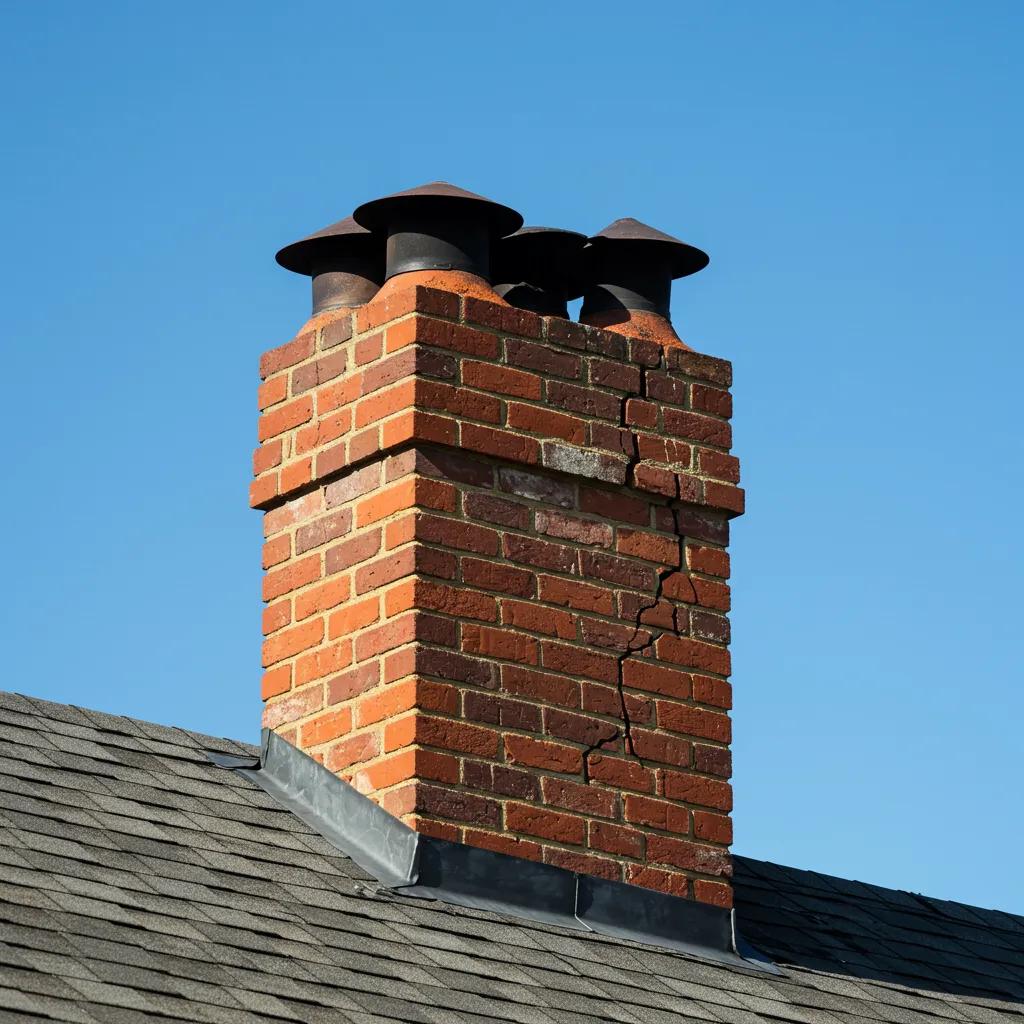
Your brick chimney might be hiding serious issues like structural cracks, water damage, or a concerning tilt, all of which can put your home at risk if ignored. Figuring out when your brick chimney needs immediate attention starts with spotting the critical red flags, understanding what’s causing the damage, and knowing when to bring in the pros. This guide is packed with essential info for homeowners and property managers across the GTA and Hamilton, covering: Mastering these points will help protect your home’s value, prevent dangerous fires and carbon monoxide leaks, and give you peace of mind with timely solutions. What Are the Key Signs Your Brick Chimney Needs Urgent Repair? Spotting the urgent signs means catching chimney problems before they turn into major safety hazards. Things like cracks, stains, or a noticeable lean are clear indicators that the chimney’s integrity is compromised, potentially leading to water leaks, carbon monoxide issues, or even collapse. For instance, tiny cracks in the mortar can quickly lead to bigger problems like spalling, and they need prompt tuckpointing to keep the structure sound and prevent damage inside your home. How Do Visible Cracks in Bricks or Mortar Joints Indicate Urgent Repair? When bricks or mortar joints crack, it’s usually because of stress on the chimney or damage from freezing and thawing. These cracks increase the risk of collapse and allow water to seep in. Catching these cracks early means you can get them fixed with tuckpointing before more bricks start to crumble. What Does Efflorescence or White Staining on Your Chimney Mean? Efflorescence looks like chalky white powder on your bricks. It happens when salts inside the masonry dissolve in water and then come to the surface as the water evaporates. This is a clear sign that moisture is getting into your chimney and weakening the mortar. It can also lead to bricks flaking off (spalling) and encourage mold growth. Fixing efflorescence by sealing the chimney and its crown can restore its strength and prevent more serious damage. Research on Moisture-Induced Damage in Masonry Chimneys Studies indicate that penetrating moisture significantly compromises masonry materials, leading to crack formation due to the cyclic freezing and thawing of water within the pores. This process, where water expands upon freezing, creates internal pressures that cause bricks to flake and mortar to crumble. Furthermore, efflorescence, appearing as white deposits, signals persistent moisture penetration and the migration of soluble salts to the surface, which can further degrade masonry integrity. This research directly supports the article’s claims regarding how water intrusion, freeze-thaw cycles, and efflorescence lead to visible cracks, spalling, and overall deterioration of brick chimneys. How Can You Identify a Leaning or Tilting Chimney Stack? A chimney that’s leaning usually means the ground beneath it has shifted or the foundation has settled, throwing the chimney off balance. You might notice: To fix a leaning chimney, you’ll likely need to reinforce the foundation with things like underpinning or helical piers to stabilize it and get it back in a safe, upright position. What Are the Warning Signs of Water Leaks in the Firebox or Interior Walls? Water getting into your firebox or nearby walls is often caused by bad flashing, a cracked chimney crown, or a missing cap. This can lead to dampness around your fireplace and damage to the firebricks. Keep an eye out for: Fixing the flashing and crown quickly will stop further water damage and protect your fireplace. How Does Spalling or Crumbling Bricks Signal Urgent Repair Needs? Spalling happens when bricks start to flake or crumble. This is often caused by water getting into the brick and then freezing and expanding, pushing the surface off. At first, you might just see small pits, but it can get much worse, with large pieces breaking off. This exposes the inside of the brick, making it more vulnerable to moisture. Repairing these bricks and sealing the surface is crucial to stop the decay and ensure the chimney lasts. Why Is a Damaged or Missing Chimney Cap or Crown a Serious Concern? The chimney cap and crown are like the roof for your chimney. They keep rain, snow, debris, and animals out. If the cap is damaged or missing, or the crown is cracked, water can pour straight into the chimney. This can ruin the mortar and the liner inside. Replacing a broken cap or fixing the crown is essential to protect the chimney’s structure and keep your indoor air clean. How Can You Detect a Deteriorated Chimney Flue Liner? Signs of a worn-out flue liner include rust-colored stains, cracked tiles, or sections that seem loose. These issues mean smoke and dangerous gases might not be getting out properly. A quick check with a flashlight inside the flue after a fire can reveal rough spots or cracks, indicating that the liner needs to be replaced or a stainless-steel insert installed to ensure safe venting. What Are the Signs of Smoke Back-up or Draft Issues in Your Chimney? If smoke is coming back into your house or the draft isn’t working right, it could be due to blockages, air pressure problems, or obstructions in the flue. Watch out for: Clearing out any blockages and making sure the flue is the right size will fix airflow problems and reduce indoor air pollution. What Causes Brick Chimney Damage and How Does It Affect Safety? Damage to brick chimneys comes from weather, wear and tear, and shifting foundations. All these factors weaken the structure and make it unsafe. Water getting inside speeds up crumbling and mortar damage, while ground movement can cause the chimney to lean and potentially fall. For example, small cracks that aren’t fixed can let in more water, which freezes and expands, turning minor issues into major repair jobs. Cause Affected Condition Safety Impact Water intrusion Spalling bricks Mold growth, weakened masonry bonds Freeze-thaw cycles Mortar joint cracking Structural instability, collapse risk Foundation shift Chimney tilt Potential collapse, gap around flashing Missing crown seal Interior moisture Firebox rot, interior wall damage Deteriorated
Expert Brick Chimney Care in Toronto: Your Guide to Inspections, Repairs, and Rebuilds
Ignoring your brick chimney in Toronto can lead to expensive water damage and serious safety risks surprisingly quickly. This guide covers essential strategies for inspecting, repairing, rebuilding, and cleaning your chimney, along with clear warning signs and compelling reasons to trust Rox Masonry for expert service. You’ll discover how Toronto’s unique climate accelerates brick wear, what a professional inspection involves, common repair techniques, when a rebuild is necessary, the advantages of cleaning, indicators of damage, and the distinct benefits of choosing Rox Masonry. Why Is Regular Brick Chimney Maintenance Crucial for Toronto Homes? Consistent brick chimney maintenance in Toronto is vital for preserving structural integrity, ensuring healthy indoor air quality, and protecting your property’s value. Proactive upkeep addresses moisture issues and freeze-thaw stresses before they escalate into major repair needs. How Does Toronto’s Climate Impact Brick Chimneys? Toronto’s frequent freeze-thaw cycles relentlessly drive moisture into mortar joints and brick pores, causing expansion and cracking. This process speeds up spalling and mortar erosion. Over time, persistent freeze-thaw damage weakens the chimney’s stability and allows water to infiltrate, worsening with each seasonal temperature shift. Masonry Performance in Toronto—Diagnostics and Repair Priorities for Brick and Chimneys Toronto’s climate, characterized by frequent freeze-thaw cycles, lake-effect winds, and driving rain, creates challenging conditions for brick facades and chimney assemblies. Understanding how these systems manage moisture, movement, and load is crucial for effective maintenance planning and addressing vulnerabilities before they lead to structural or safety issues. This research directly supports the article’s explanation of how Toronto’s climate accelerates brick decay and the importance of proactive maintenance to address these specific environmental stresses. What Are the Safety and Property Value Advantages of Consistent Maintenance? Regular chimney upkeep enhances home safety by preventing carbon monoxide leaks and reducing fire hazards, while also safeguarding your property’s resale value through its appealing exterior presence. Consistent care not only boosts safety but also facilitates smoother property transactions. How Do Building Codes Shape Chimney Maintenance in Toronto? Ontario building codes mandate structurally sound chimney systems, appropriate flue liners, and secure flashing to prevent fire risks and water intrusion. Compliance with local regulations ensures legal adherence and homeowner protection. For instance, code-compliant stainless steel liners and correctly installed chimney caps prevent dangerous gas leaks while minimizing insurance complications. Ontario Building Code: Chimneys and Flues The Ontario Building Code, specifically Regulation 332/12, mandates stable chimney structures, proper flue lining, and secure flashing to prevent fire hazards and water ingress. These regulations also specify minimum height requirements for chimneys above the roofline to ensure safety and compliance. This citation directly supports the article’s claims about how Ontario building codes influence chimney maintenance and ensure legal compliance and homeowner protection. What Does a Professional Brick Chimney Inspection in Toronto Entail? A professional chimney inspection identifies hidden structural issues early on, averting emergencies and costly rebuilds. Our trained technicians meticulously examine every component, combining visual assessments with advanced diagnostic tools to guarantee safety. How Often Should You Schedule a Chimney Inspection in Toronto? Annual inspections—ideally scheduled before the heating season begins—ensure safe operation and extend your chimney’s lifespan. A yearly check-up detects developing mortar deterioration and flue obstructions before winter’s harsh freeze-thaw cycles can worsen any damage. What Are the Key Components Examined During an Inspection? Before recommending any repairs, our certified inspectors thoroughly evaluate: The assessment of each element guides precise maintenance planning. What Is the Typical Cost of a Chimney Inspection in Toronto? Inspection fees generally range from CAD 150 to CAD 300, varying with chimney height and accessibility. This pricing reflects the time of our skilled technicians, the use of diagnostic equipment, and a comprehensive post-inspection report detailing prioritized recommendations. What Are the Most Common Brick Chimney Repair Services in Toronto? When inspections reveal damage, targeted repairs are essential to restore stability and prevent further deterioration. Common services include tuckpointing, brick replacement, crown repair, and flashing restoration to safeguard against moisture and structural failures. How Is Mortar Repair and Tuckpointing Performed on Brick Chimneys? Tuckpointing revitalizes deteriorated mortar joints by carefully removing loose material and applying a fresh, compatible mortar blend. This process effectively restores structural support and halts water infiltration. How Do You Address Cracked, Spalling, or Efflorescent Bricks? Repairing damaged bricks involves carefully removing compromised units and installing new bricks that precisely match the original color and texture. Efflorescence stains are professionally cleaned, and once new bricks are set, a breathable sealant is applied to block external moisture while allowing internal vapors to escape. When Is Chimney Crown Repair or Replacement Necessary? Chimney crowns act as crucial caps, deflecting rainwater away from the structure. Repair or complete replacement becomes essential when crowns develop cracks or delamination, allowing water to seep into the masonry. Visible surface cracks, crumbling edges, or missing concrete sections are clear indicators that crown restoration is needed. How Is Chimney Flashing Repaired to Prevent Water Damage? Chimney flashing creates a watertight seal between the roof and the chimney structure. Effective repair involves removing any corroded metal, installing new lead or stainless-steel flashing, and sealing all seams with a high-grade roofing sealant. Proper installation ensures water is channeled away from the masonry, preventing costly leaks. Common Repair Types and Their Benefits Here’s a comparison of typical chimney repairs, outlining their purpose and the value they bring to homeowners: Repair Type Purpose Benefit Mortar Joint Tuckpointing Reinforce weakened mortar seals Prevents water intrusion and material crumbling Brick Replacement Remove and install new, matching bricks Restores structural consistency and visual appeal Chimney Crown Repair Seal cracks on the chimney’s top surface Blocks water entry and protects against freeze-thaw damage Flashing Restoration Renew metal seals at the roofline junction Eliminates leaks and protects underlying roof structures Each specialized repair safeguards the chimney’s longevity and prevents the need for more extensive rebuilding later on. When Is a Chimney Rebuild Required in Toronto? A chimney rebuild becomes necessary when cumulative damage compromises the masonry stack to a point beyond effective repair. Rebuilds restore complete structural integrity and safety after prolonged neglect or significant weather
Expert Brick Chimney Repair for Lasting Safety in Toronto, GTA, and Hamilton
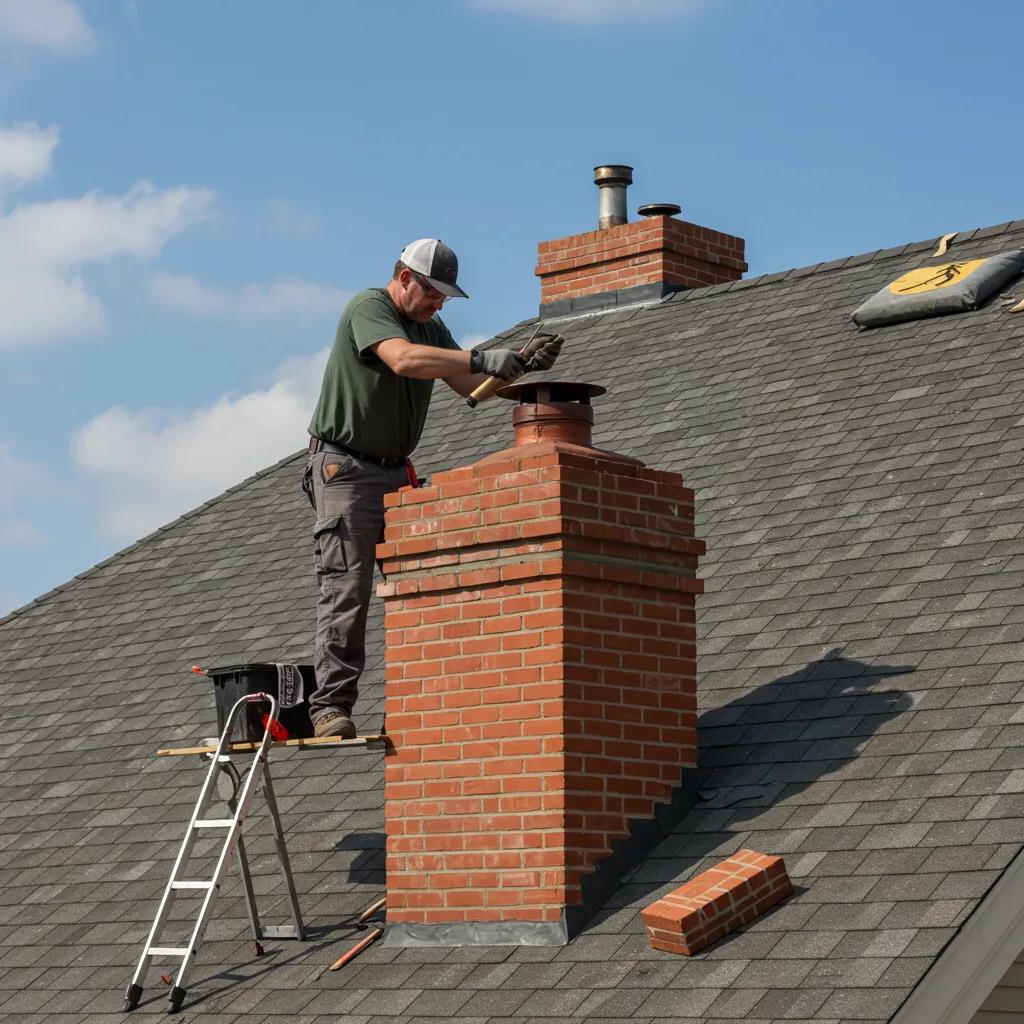
Every winter, freeze-thaw cycles and harsh weather can undermine the integrity of brick chimneys, creating hidden hazards that jeopardize home safety and value. As trusted chimney repair experts for brick structures, Rox Masonry delivers precise restoration and reinforcement to safeguard your property. In this guide, you’ll discover how to spot early warning signs of damage, why professional interventions prevent fires and harmful gas leaks, the full range of services we provide, transparent cost factors, our unique local expertise, proactive maintenance strategies, and the simple steps to request a consultation. Learn more about our comprehensive approach in our Expert Chimney Repair and Rebuild Services – Rox Masonry to ensure your chimney remains safe and durable. What Are the Common Signs of Brick Chimney Damage? Common signs of brick chimney damage include visible cracks, mortar erosion, water staining, and structural shifts that compromise stability and allow moisture infiltration. Detecting these issues early prevents costly repairs and safety risks such as collapsing masonry or interior water damage. Brick Damage Type Characteristic Impact Cracked Bricks Fractures and fissures in brick faces Weakens structural cohesion Spalling Surface flaking and brick delamination Accelerates material loss Efflorescence White salt deposits on brick surfaces Indicates moisture migration Deteriorated Mortar Crumbling or missing joint material Reduces load distribution Leaning Chimney Noticeable tilt from vertical alignment Risks full structural collapse Identifying these damage types positions homeowners to seek targeted repairs that restore chimney integrity and prevent hazards. How to Recognize Cracked and Spalling Bricks on Your Chimney Cracked and spalling bricks occur when freeze-thaw cycles or settling stresses weaken brick material, causing visible fractures and surface flakes that undermine wall strength. Look for hairline cracks radiating across brick faces, chunks breaking away at edges, and powdery debris at the chimney base. Regular inspections that catch these patterns early allow tuckpointing or brick replacement before damage spreads. Bridging visible brick cracks to mortar repair highlights the need for professional masonry services. What Does Deteriorating Mortar Mean for Your Chimney’s Safety? Deteriorating mortar indicates the binding material between bricks has eroded, which compromises the chimney’s load-bearing capacity and permits moisture to penetrate behind brick surfaces. Common signs include crumbling joints, recessed mortar lines, and gaps wider than a quarter-inch. Restoring these joints with high-strength mortar prevents shifting bricks and water ingress that can weaken the entire structure. Understanding mortar decay underscores why comprehensive inspections follow brick assessments. How Can Water Leaks and Efflorescence Affect Your Brick Chimney? Efflorescence manifests as white, powdery salt deposits where water evaporates through porous brick, signaling chronic moisture exposure that accelerates material breakdown. Water leaks stain brickwork, damage internal flue liners, and promote mold growth inside the chimney. Addressing crown cracks, flashing gaps, and waterproofing needs stops moisture entry and prevents efflorescence recurrence. Moisture management naturally leads to evaluating chimney lean and structural alignment. An Experimental Study on the Effect of Water on Historic Brickwork Masonry Research indicates that water penetration significantly impacts masonry, with experimental studies demonstrating that penetrating damp can increase masonry unit weight by over 20%. This increase is crucial for structural assessments, as water absorption and subsequent temperature changes contribute to material degradation. Giaccone, D., Santamaria, U., & Corradi, M., MDPI, 2020 This research directly supports the article’s explanation of how water infiltration and freeze-thaw cycles lead to the deterioration of brick and mortar, compromising structural integrity. When Is a Leaning Chimney a Serious Structural Concern? A leaning chimney signals foundation shift, roof frame settlement, or extensive joint failure, which risks collapse under its own weight or during strong winds. If the chimney’s vertical deviation exceeds two inches, professional stabilization or rebuild is critical to avoid falling masonry. Prompt correction through underpinning or partial rebuild preserves both safety and property value. Addressing a leaning chimney transitions into understanding why expert repair is essential for lasting safety. Why Is Expert Brick Chimney Repair Essential for Lasting Safety? Expert brick chimney repair combines detailed structural assessment, proven restoration techniques, and premium masonry materials to eliminate hazards, extend service life, and maintain compliance with safety standards. Engaging professional repair ensures every damaged component is addressed rather than simply patched, preventing recurring issues and costly future rebuilds. What Are the Fire Hazards of Neglected Chimney Repairs? Neglected chimney repairs significantly increase fire hazards by allowing heat and embers to escape through cracks and degrade flue liners that protect combustible framing. Faulty mortar and loose bricks create gaps where sparks can ignite roof sheathing or attic insulation. Repairing these breaches with quality materials and precise craftsmanship restores the chimney’s fire-containment barrier. The Facts About Chimney Fires Chimney fires, whether explosive or slow-burning, can reach extremely high temperatures, often around 2000°F. Such intense heat can melt mortar, crack flue tiles, cause liners to collapse, and damage the outer masonry, creating pathways for flames to reach combustible building materials. Chimney Safety Institute of America (CSIA) This information verifies the severe fire hazards associated with neglected chimney repairs and underscores the importance of maintaining the chimney’s structural integrity to prevent the spread of fire. Restoring fire resistance through professional techniques underscores the importance of full chimney inspections. How Does Structural Damage Impact Chimney Longevity? Structural damage such as mortar loss, brick displacement, and crown cracks reduces load-bearing capacity and accelerates decay, shortening chimney lifespan by decades if untreated. Comprehensive rebuilds or selective tuckpointing restore original strength, ensuring the chimney withstands weather cycles without further deterioration. Ensuring structural integrity paves the way to preventing airborne toxin leaks. What Are the Risks of Carbon Monoxide and Harmful Gases? Compromised chimney flue systems allow carbon monoxide and other combustion byproducts to leak into living spaces, presenting severe health risks including headaches, dizziness, and potential CO poisoning. Proper relining, crown sealing, and flashing repairs reestablish a safe exhaust path for smoke and gases, protecting indoor air quality. Collapsed Chimney Can Lead to Carbon Monoxide Poisoning The Chimney Safety Institute of America (CSIA) identifies water penetration as a primary cause of masonry chimney damage and deterioration. When a chimney’s structural integrity is compromised, such as through collapse
Toronto Chimney Cleaning: What to Expect & How to Choose Top Companies
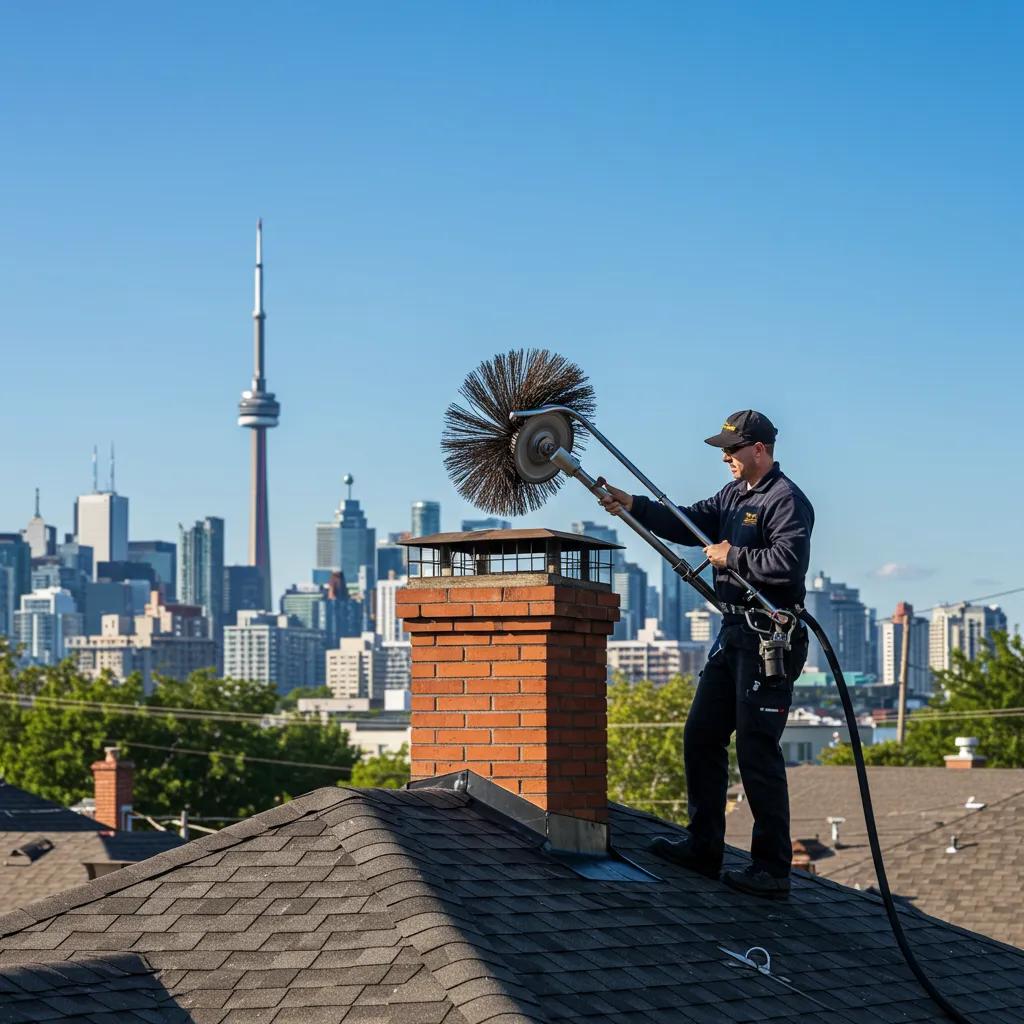
Keeping your chimney in top shape is crucial for safety, efficiency, and its overall lifespan. Knowing the differences between chimney cleaning services in Toronto empowers homeowners and property managers to pick the right company, avoid fire hazards, and plan their maintenance budgets wisely. This guide covers the essential cleaning services, how pricing works, the best times to schedule maintenance, extra services, how to pick a provider, and the distinctions between cleaning, inspections, and repairs. You’ll discover: What Core Services Do Toronto Chimney Cleaning Companies Offer? Chimney cleaning companies in Toronto generally provide three main services: professional sweeping to clear out creosote and soot, thorough inspections to check the chimney’s structure, and safety checks like examining dampers and installing flue caps. These fundamental services ensure proper airflow, prevent fire risks, and spot potential issues before they become major problems. For instance, a basic inspection combined with a full cleaning can reveal small cracks in the flue liner that cleaning alone wouldn’t show. How Do Professional Chimney Sweeps Remove Creosote and Soot? This three-part process promotes steady airflow, lowering the chance of chimney fires and making your heating system more efficient. By clearing out the flue, your home will have better draft control and safer wood-burning performance. What Types of Chimney Cleaning Services Are Available for Homes and Businesses? Chimney cleaning companies often tailor their services for different property types, using specific methods for houses, apartment buildings, and industrial chimneys. Table 1 compares typical cleaning scopes for residential and commercial properties. Property Type Main Service Typical Schedule Specialized Tools Single-Family Home Creosote removal Once a year Standard flue brush, HEPA vacuum Multi-Unit Residential Flue inspection/cleaning Every 1–2 years Extension rods, drone camera Commercial/Industrial Heavy-duty sweep Twice a year Industrial rotary brush, chimney drone Fireplace Insert Units Component cleaning Once a year Flexible brush, soot catchers Each cleaning restores airflow and identifies hidden damage. Smaller homes benefit from simple brushes and vacuums, while larger commercial chimneys require heavy-duty rotary brushes and remote inspection drones to safely navigate complex systems. How Important Are Chimney Inspections During the Cleaning Process? Chimney inspections are vital because they uncover structural damage, obstructions, and safety concerns that simple cleaning might miss. A basic inspection checks accessible areas, while more advanced inspections use video cameras and partial disassembly to find hidden problems. For example, a video inspection might reveal a cracked flue tile that allows combustion gases to escape, posing a risk of carbon monoxide entering your home and requiring immediate repair. What Role Does WETT Certification Play in Chimney Cleaning and Safety? WETT certification confirms that a technician has specialized training in wood-burning appliance safety, ensuring they follow Canadian standards and best practices. A WETT-certified professional can assess stove installations, fireplace condition, and flue liners, reducing the risk of fires or gas leaks. For instance, a WETT expert uses special tools to confirm that smoke is venting correctly according to regulations—a key step in keeping wood-burning systems safe and efficient. What is WETT? WETT (Wood Energy Technology Transfer) is a nationally recognized certification program in Canada. It ensures professionals working with wood-burning systems possess the expertise and training required to maintain safety and compliance standards, covering inspection, installation, and maintenance of such appliances. This research directly supports the article’s explanation of WETT certification and its role in ensuring safety and compliance with Canadian standards for wood-burning appliances. How Do Toronto Chimney Cleaning Services Compare in Price and Value? The cost of chimney cleaning in Toronto varies depending on the chimney’s height, complexity, and any additional services like inspections or minor repairs. Understanding what influences the price helps homeowners budget effectively and find the best value from different providers. What Factors Affect Chimney Cleaning and Repair Costs in Toronto? Several factors determine the total cost of chimney maintenance: For example, a narrow townhouse chimney with moderate buildup and a level-2 inspection might cost 30–40% more than a simple cleaning for a single-story home due to the need for specialized work in tight spaces and video documentation. How Do Minor Repairs Often Follow Chimney Cleaning? Routine chimney cleanings frequently uncover issues like loose mortar, cracked chimney tops, or rusted dampers that are best addressed right away. Typical repair tasks include: Fixing these problems while the chimney is already accessible saves time and money by avoiding separate service calls. This combined approach boosts safety, prevents further damage, and lowers long-term repair expenses. What Are Typical Price Ranges for Residential vs. Commercial Chimney Cleaning? Service Type Typical Range (CAD) What’s Included Residential Sweep $175–$350 Level-1 inspection, creosote removal Insert/Stove $200–$400 Flexible brush, component cleaning Multi-Unit $400–$900 Flue scanning, extended brush passes Commercial Stack $1,000–$3,000+ Industrial rotary brush, video inspection Homeowners typically spend under $350 annually for basic safety and airflow, while commercial properties budget more for intensive cleaning, detailed reports, and code-compliant inspections. When and Why Should You Schedule Regular Chimney Cleaning in Toronto? How Often Should Chimneys Be Cleaned to Prevent Fire Hazards? Chimneys should be cleaned at least once a year or after burning a cord of firewood, whichever comes first. Fireplaces and stoves used frequently, or homes in colder climates, might need cleaning twice a year to prevent hard creosote buildup. Sticking to this schedule reduces fire risks and maintains proper airflow. What Are the Risks of Neglecting Chimney Cleaning? Ignoring chimney cleaning allows creosote to build up. This substance can ignite at temperatures as low as 250 °C, leading to dangerous chimney fires. Blockages from debris or animal nests can force smoke and carbon monoxide back into your home, creating serious health hazards. Over time, acidic residue can damage flue tiles and mortar, accelerating structural decay and potentially requiring a complete rebuild. Creosote Risks in Your Restaurant Kitchen (And Your Chimney) Creosote, a highly combustible byproduct of incomplete wood combustion, poses a significant fire threat in chimneys. Its flash point can be as low as 165°F (74°C), and its auto-ignition point is around 451°F (233°C). Accumulation of creosote is the primary cause of chimney fires. This provides