Keeping your chimney in top shape is crucial for safety, efficiency, and its overall lifespan. Knowing the differences between chimney cleaning services in Toronto empowers homeowners and property managers to pick the right company, avoid fire hazards, and plan their maintenance budgets wisely. This guide covers the essential cleaning services, how pricing works, the best times to schedule maintenance, extra services, how to pick a provider, and the distinctions between cleaning, inspections, and repairs. You’ll discover:
- The essential chimney cleaning, inspection, and safety steps
- How costs differ based on the job, property type, and location
- When to book routine upkeep to stop creosote buildup
- Additional services like mortar repair, waterproofing, and pest removal
- Key points for selecting a certified, experienced chimney sweep
- Special needs for commercial chimneys
What Core Services Do Toronto Chimney Cleaning Companies Offer?
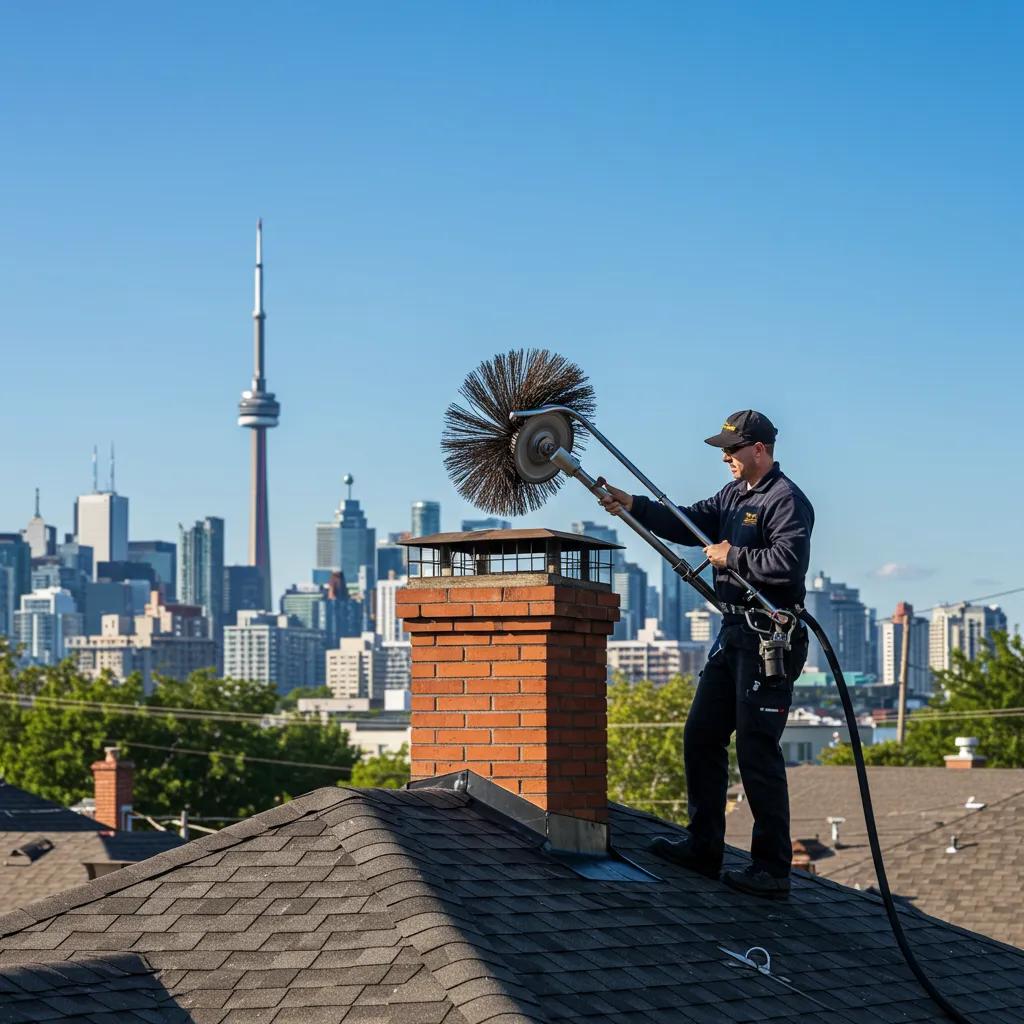
Chimney cleaning companies in Toronto generally provide three main services: professional sweeping to clear out creosote and soot, thorough inspections to check the chimney’s structure, and safety checks like examining dampers and installing flue caps. These fundamental services ensure proper airflow, prevent fire risks, and spot potential issues before they become major problems. For instance, a basic inspection combined with a full cleaning can reveal small cracks in the flue liner that cleaning alone wouldn’t show.
How Do Professional Chimney Sweeps Remove Creosote and Soot?
- A spinning wire brush is used to scrub hardened creosote deposits from inside the flue.
- High-powered vacuums collect airborne particles, keeping your home clean.
- Special log additives made from natural ingredients help break down remaining buildup and prevent new deposits.
This three-part process promotes steady airflow, lowering the chance of chimney fires and making your heating system more efficient. By clearing out the flue, your home will have better draft control and safer wood-burning performance.
What Types of Chimney Cleaning Services Are Available for Homes and Businesses?
Chimney cleaning companies often tailor their services for different property types, using specific methods for houses, apartment buildings, and industrial chimneys. Table 1 compares typical cleaning scopes for residential and commercial properties.
| Property Type | Main Service | Typical Schedule | Specialized Tools |
|---|---|---|---|
| Single-Family Home | Creosote removal | Once a year | Standard flue brush, HEPA vacuum |
| Multi-Unit Residential | Flue inspection/cleaning | Every 1–2 years | Extension rods, drone camera |
| Commercial/Industrial | Heavy-duty sweep | Twice a year | Industrial rotary brush, chimney drone |
| Fireplace Insert Units | Component cleaning | Once a year | Flexible brush, soot catchers |
Each cleaning restores airflow and identifies hidden damage. Smaller homes benefit from simple brushes and vacuums, while larger commercial chimneys require heavy-duty rotary brushes and remote inspection drones to safely navigate complex systems.
How Important Are Chimney Inspections During the Cleaning Process?
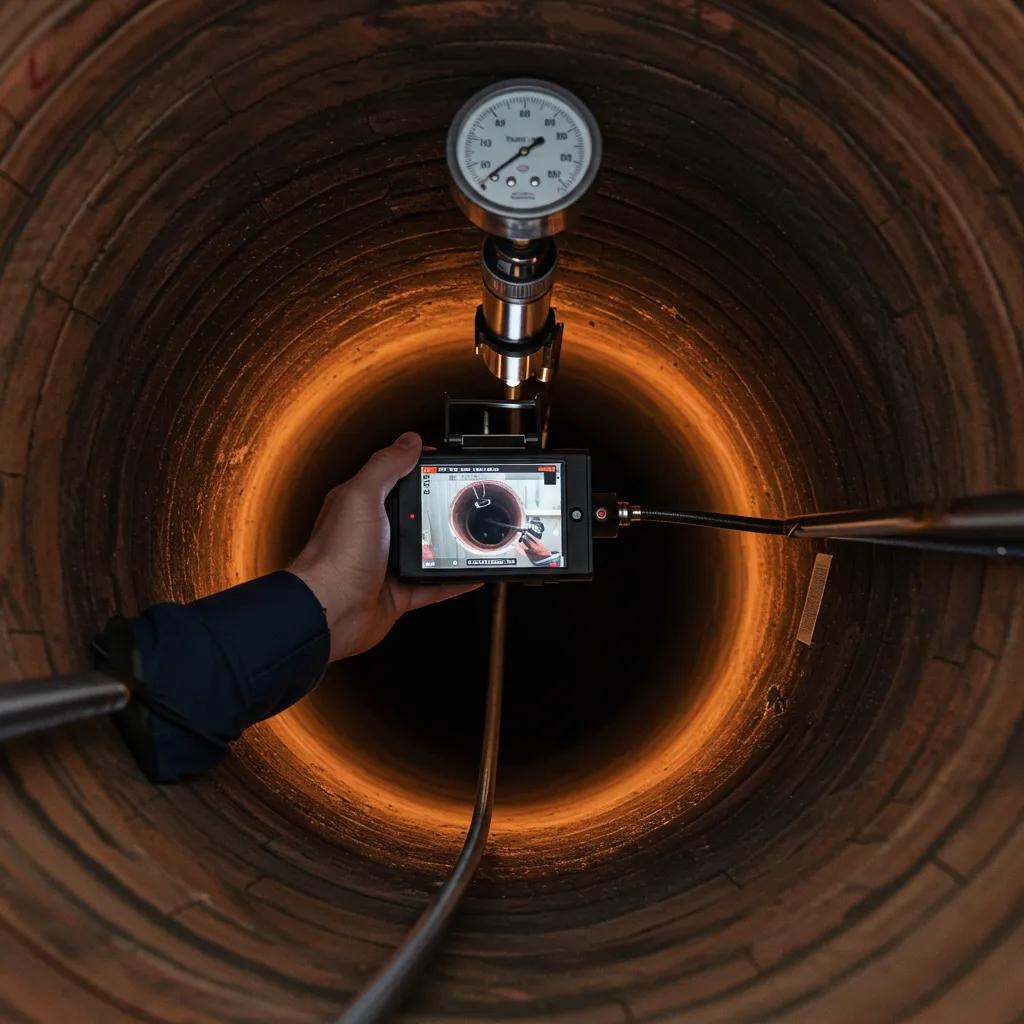
Chimney inspections are vital because they uncover structural damage, obstructions, and safety concerns that simple cleaning might miss. A basic inspection checks accessible areas, while more advanced inspections use video cameras and partial disassembly to find hidden problems. For example, a video inspection might reveal a cracked flue tile that allows combustion gases to escape, posing a risk of carbon monoxide entering your home and requiring immediate repair.
What Role Does WETT Certification Play in Chimney Cleaning and Safety?
WETT certification confirms that a technician has specialized training in wood-burning appliance safety, ensuring they follow Canadian standards and best practices. A WETT-certified professional can assess stove installations, fireplace condition, and flue liners, reducing the risk of fires or gas leaks. For instance, a WETT expert uses special tools to confirm that smoke is venting correctly according to regulations—a key step in keeping wood-burning systems safe and efficient.
What is WETT?
WETT (Wood Energy Technology Transfer) is a nationally recognized certification program in Canada. It ensures professionals working with wood-burning systems possess the expertise and training required to maintain safety and compliance standards, covering inspection, installation, and maintenance of such appliances.
This research directly supports the article’s explanation of WETT certification and its role in ensuring safety and compliance with Canadian standards for wood-burning appliances.
How Do Toronto Chimney Cleaning Services Compare in Price and Value?
The cost of chimney cleaning in Toronto varies depending on the chimney’s height, complexity, and any additional services like inspections or minor repairs. Understanding what influences the price helps homeowners budget effectively and find the best value from different providers.
What Factors Affect Chimney Cleaning and Repair Costs in Toronto?
Several factors determine the total cost of chimney maintenance:
- Chimney height and how easy it is to access (taller chimneys or those on multi-story homes need special equipment)
- How much creosote has built up (hardened deposits may require more cleaning or chemical treatment)
- Whether inspections are included (video scans add to the time and labor involved)
- Any minor repairs needed (like sealing small cracks or patching the flue)
- Local permit fees or inspections required by building codes
For example, a narrow townhouse chimney with moderate buildup and a level-2 inspection might cost 30–40% more than a simple cleaning for a single-story home due to the need for specialized work in tight spaces and video documentation.
How Do Minor Repairs Often Follow Chimney Cleaning?
Routine chimney cleanings frequently uncover issues like loose mortar, cracked chimney tops, or rusted dampers that are best addressed right away. Typical repair tasks include:
- Repointing to fix damaged mortar joints and prevent water leaks
- Repairing or rebuilding the chimney crown to protect the top
- Patching the flue liner to ensure safe containment of combustion
Fixing these problems while the chimney is already accessible saves time and money by avoiding separate service calls. This combined approach boosts safety, prevents further damage, and lowers long-term repair expenses.
What Are Typical Price Ranges for Residential vs. Commercial Chimney Cleaning?
| Service Type | Typical Range (CAD) | What’s Included |
|---|---|---|
| Residential Sweep | $175–$350 | Level-1 inspection, creosote removal |
| Insert/Stove | $200–$400 | Flexible brush, component cleaning |
| Multi-Unit | $400–$900 | Flue scanning, extended brush passes |
| Commercial Stack | $1,000–$3,000+ | Industrial rotary brush, video inspection |
Homeowners typically spend under $350 annually for basic safety and airflow, while commercial properties budget more for intensive cleaning, detailed reports, and code-compliant inspections.
When and Why Should You Schedule Regular Chimney Cleaning in Toronto?
How Often Should Chimneys Be Cleaned to Prevent Fire Hazards?
Chimneys should be cleaned at least once a year or after burning a cord of firewood, whichever comes first. Fireplaces and stoves used frequently, or homes in colder climates, might need cleaning twice a year to prevent hard creosote buildup. Sticking to this schedule reduces fire risks and maintains proper airflow.
What Are the Risks of Neglecting Chimney Cleaning?
Ignoring chimney cleaning allows creosote to build up. This substance can ignite at temperatures as low as 250 °C, leading to dangerous chimney fires. Blockages from debris or animal nests can force smoke and carbon monoxide back into your home, creating serious health hazards. Over time, acidic residue can damage flue tiles and mortar, accelerating structural decay and potentially requiring a complete rebuild.
Creosote Risks in Your Restaurant Kitchen (And Your Chimney)
Creosote, a highly combustible byproduct of incomplete wood combustion, poses a significant fire threat in chimneys. Its flash point can be as low as 165°F (74°C), and its auto-ignition point is around 451°F (233°C). Accumulation of creosote is the primary cause of chimney fires.
This provides factual data on creosote’s flammability and ignition temperatures, directly verifying the article’s claim about creosote igniting at low temperatures and the associated fire risks.
How Does Toronto’s Climate Affect Chimney Maintenance Needs?
Toronto’s freeze-thaw cycles put stress on masonry, causing mortar joints to crack and chimney tops to deteriorate faster. Heavy snow and ice can block chimney caps, trapping moisture that worsens masonry damage. Properties in the GTA can benefit from mid-winter inspections and cleanings after the thaw to clear ice melt and prevent moisture-related damage.
The Impact of Freezing Temperatures on Chimney Structures
Freeze-thaw cycles severely impact chimney masonry. Water infiltrates cracks and porous materials, freezes and expands, exerting pressure that widens existing cracks and creates new ones. This repeated stress weakens bricks and mortar, leading to spalling, loose joints, and potential structural failure.
This research directly supports the article’s explanation of how Toronto’s climate, specifically freeze-thaw cycles, affects chimney masonry and leads to deterioration.
What Additional Services Do Toronto Chimney Cleaning Companies Offer?
How Do Chimney Inspections Identify Issues Requiring Repair or Rebuild?
Advanced inspections use camera scans, infrared imaging, and smoke tests to find flue cracks, internal blockages, and moisture problems. These diagnostic methods map out damage, guiding decisions on mortar repair, crown rebuilding, or complete chimney replacement, ensuring repairs address the root cause.
What Repair Services Complement Chimney Cleaning?
Common repair services that go hand-in-hand with cleaning include:
- Tuckpointing to fix worn-out mortar joints
- Crown repair or rebuilding to seal the chimney top
- Replacing flashing and sealing the chimney to the roof to stop leaks
- Relining the flue with durable stainless steel inserts
Are Animal Removal and Waterproofing Common Add-Ons?
Yes, many chimney sweeps offer humane removal of animals like birds, raccoons, and squirrels nesting in flues. They also provide waterproofing treatments, such as silicone sealants or masonry water repellents. These extras protect the chimney’s structure and prevent moisture damage, keeping chimneys clear and resistant to water between service appointments.
How Can Homeowners and Property Managers Choose the Right Chimney Cleaning Company in Toronto?
What Certifications and Experience Should You Look For?
Look for technicians who are WETT certified and have proof of liability insurance. This shows they follow wood-burning safety rules and professional standards. Companies with years of local experience understand Toronto’s specific masonry issues and can efficiently handle building code requirements.
How Do Customer Reviews and Testimonials Reflect Service Quality?
Detailed reviews mentioning prompt communication, thorough cleanings, and clear before-and-after photos indicate a company’s dedication to customer satisfaction and quality work. Consistent high ratings for responsiveness, punctuality, and reliability suggest a trustworthy operation.
What Questions Should You Ask Before Hiring a Chimney Cleaning Service?
Before hiring a company, ask:
- “Are you WETT certified and properly insured?”
- “What level of inspection is included with your standard cleaning?”
- “Can you provide a written plan and estimate for any needed repairs?”
- “How do you prevent soot from spreading inside my home?”
These questions help clarify the service details, safety measures, and pricing transparency—allowing you to compare quotes fairly.
What Are the Differences Between Chimney Cleaning, Inspection, and Repair Services in Toronto?
How Does Chimney Cleaning Differ from Sweeping and Inspection?
Chimney cleaning, also known as sweeping, is about physically removing soot and creosote. Inspections, on the other hand, assess the chimney’s physical condition and how well it’s functioning. A basic inspection often happens during cleaning, but more thorough inspections use cameras and partial disassembly to find hidden problems not visible during a standard sweep.
When Is Chimney Repair or Rebuild Necessary After Cleaning?
Repair is needed when inspections reveal damaged masonry—like crumbling bricks, worn-out mortar joints, or cracked flue tiles—that can’t be fixed with simple patching. A full rebuild is recommended for chimneys that are leaning or have extensive damage to the top structure, ensuring safety and compliance with codes.
How Do Companies Like Rox Masonry Complement Cleaning with Expert Repairs?
While chimney cleaning companies are experts at removing creosote, masonry specialists offer the skilled craftsmanship needed for tasks like tuckpointing, rebuilding chimney tops, and installing flue liners. Rox Masonry’s decades of local experience ensure that any repairs identified during cleaning are performed to the highest standards, providing safety, durability, and aesthetic appeal.
What Are the Unique Considerations for Commercial Chimney Cleaning Services in the GTA?
How Do Commercial Chimneys Differ from Residential Ones in Maintenance Needs?
Commercial chimneys are larger, handle higher exhaust volumes, and may process corrosive substances, requiring industrial-grade brushes, power sweepers, and chemical treatments. The size and complexity of the ductwork also demand detailed inspection reports for insurance and regulatory purposes.
What Specialized Cleaning and Repair Services Are Available for Commercial Properties?
Commercial services include high-pressure jet cleaning for grease buildup, robotic cameras for large stacks, and repairs using special mortar designed for high temperatures. These specialized solutions keep operations running smoothly and prevent violations of regulations.
How Do Building Codes and Safety Standards Impact Commercial Chimney Cleaning?
Commercial chimneys must meet Ontario building codes for ventilation, emissions, and fire safety. Licensed technicians provide documentation of compliant work, ensuring properties pass municipal inspections, meet environmental standards, and satisfy insurance requirements.
Regular, professional chimney maintenance combines expert sweeping, thorough inspections, and timely masonry repairs to protect properties throughout Toronto, the GTA, and Hamilton. When choosing a provider, look for certified technicians, clear estimates, and companies that can handle follow-up repairs seamlessly. By understanding the core services, cost factors, scheduling needs, and commercial specifics, you can confidently compare top companies. For any masonry repairs identified during inspections or cleanings, trust specialists like Rox Masonry for expert craftsmanship, safety, and lasting value.