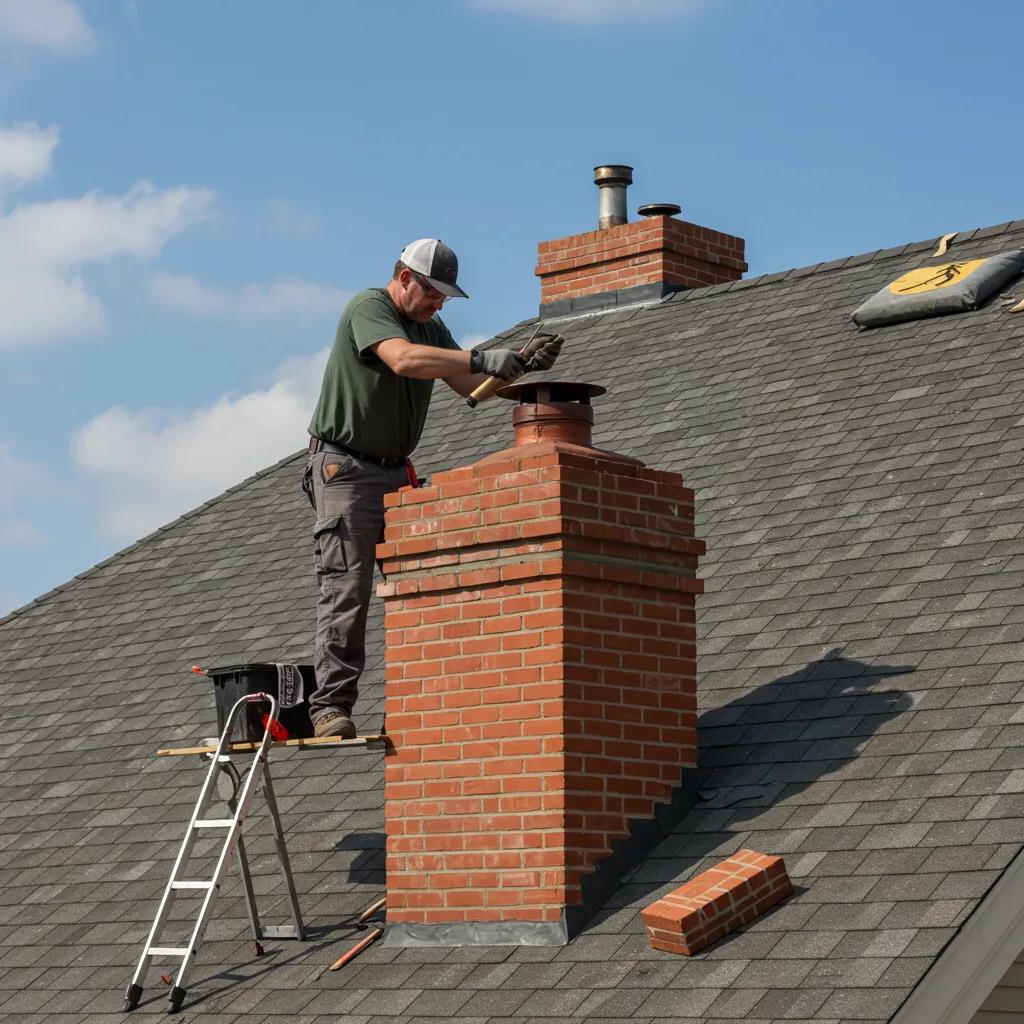
Every winter, freeze-thaw cycles and harsh weather can undermine the integrity of brick chimneys, creating hidden hazards that jeopardize home safety and value. As trusted chimney repair experts for brick structures, Rox Masonry delivers precise restoration and reinforcement to safeguard your property. In this guide, you’ll discover how to spot early warning signs of damage, why professional interventions prevent fires and harmful gas leaks, the full range of services we provide, transparent cost factors, our unique local expertise, proactive maintenance strategies, and the simple steps to request a consultation. Learn more about our comprehensive approach in our Expert Chimney Repair and Rebuild Services – Rox Masonry to ensure your chimney remains safe and durable.
What Are the Common Signs of Brick Chimney Damage?
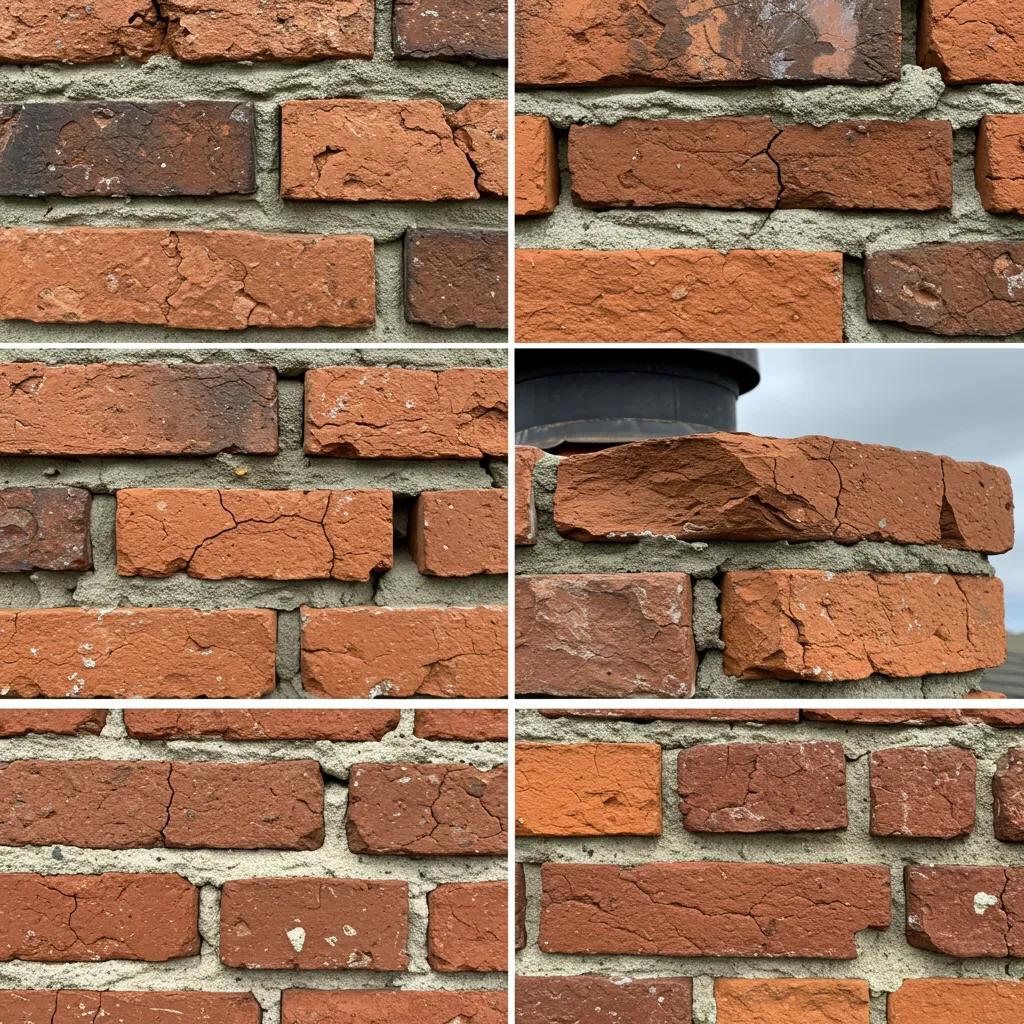
Common signs of brick chimney damage include visible cracks, mortar erosion, water staining, and structural shifts that compromise stability and allow moisture infiltration. Detecting these issues early prevents costly repairs and safety risks such as collapsing masonry or interior water damage.
| Brick Damage Type | Characteristic | Impact |
|---|---|---|
| Cracked Bricks | Fractures and fissures in brick faces | Weakens structural cohesion |
| Spalling | Surface flaking and brick delamination | Accelerates material loss |
| Efflorescence | White salt deposits on brick surfaces | Indicates moisture migration |
| Deteriorated Mortar | Crumbling or missing joint material | Reduces load distribution |
| Leaning Chimney | Noticeable tilt from vertical alignment | Risks full structural collapse |
Identifying these damage types positions homeowners to seek targeted repairs that restore chimney integrity and prevent hazards.
How to Recognize Cracked and Spalling Bricks on Your Chimney
Cracked and spalling bricks occur when freeze-thaw cycles or settling stresses weaken brick material, causing visible fractures and surface flakes that undermine wall strength. Look for hairline cracks radiating across brick faces, chunks breaking away at edges, and powdery debris at the chimney base. Regular inspections that catch these patterns early allow tuckpointing or brick replacement before damage spreads.
Bridging visible brick cracks to mortar repair highlights the need for professional masonry services.
What Does Deteriorating Mortar Mean for Your Chimney’s Safety?
Deteriorating mortar indicates the binding material between bricks has eroded, which compromises the chimney’s load-bearing capacity and permits moisture to penetrate behind brick surfaces. Common signs include crumbling joints, recessed mortar lines, and gaps wider than a quarter-inch. Restoring these joints with high-strength mortar prevents shifting bricks and water ingress that can weaken the entire structure.
Understanding mortar decay underscores why comprehensive inspections follow brick assessments.
How Can Water Leaks and Efflorescence Affect Your Brick Chimney?
Efflorescence manifests as white, powdery salt deposits where water evaporates through porous brick, signaling chronic moisture exposure that accelerates material breakdown. Water leaks stain brickwork, damage internal flue liners, and promote mold growth inside the chimney. Addressing crown cracks, flashing gaps, and waterproofing needs stops moisture entry and prevents efflorescence recurrence.
Moisture management naturally leads to evaluating chimney lean and structural alignment.
An Experimental Study on the Effect of Water on Historic Brickwork Masonry
Research indicates that water penetration significantly impacts masonry, with experimental studies demonstrating that penetrating damp can increase masonry unit weight by over 20%. This increase is crucial for structural assessments, as water absorption and subsequent temperature changes contribute to material degradation.
Giaccone, D., Santamaria, U., & Corradi, M., MDPI, 2020
This research directly supports the article’s explanation of how water infiltration and freeze-thaw cycles lead to the deterioration of brick and mortar, compromising structural integrity.
When Is a Leaning Chimney a Serious Structural Concern?
A leaning chimney signals foundation shift, roof frame settlement, or extensive joint failure, which risks collapse under its own weight or during strong winds. If the chimney’s vertical deviation exceeds two inches, professional stabilization or rebuild is critical to avoid falling masonry. Prompt correction through underpinning or partial rebuild preserves both safety and property value.
Addressing a leaning chimney transitions into understanding why expert repair is essential for lasting safety.
Why Is Expert Brick Chimney Repair Essential for Lasting Safety?
Expert brick chimney repair combines detailed structural assessment, proven restoration techniques, and premium masonry materials to eliminate hazards, extend service life, and maintain compliance with safety standards. Engaging professional repair ensures every damaged component is addressed rather than simply patched, preventing recurring issues and costly future rebuilds.
What Are the Fire Hazards of Neglected Chimney Repairs?
Neglected chimney repairs significantly increase fire hazards by allowing heat and embers to escape through cracks and degrade flue liners that protect combustible framing. Faulty mortar and loose bricks create gaps where sparks can ignite roof sheathing or attic insulation. Repairing these breaches with quality materials and precise craftsmanship restores the chimney’s fire-containment barrier.
The Facts About Chimney Fires
Chimney fires, whether explosive or slow-burning, can reach extremely high temperatures, often around 2000°F. Such intense heat can melt mortar, crack flue tiles, cause liners to collapse, and damage the outer masonry, creating pathways for flames to reach combustible building materials.
Chimney Safety Institute of America (CSIA)
This information verifies the severe fire hazards associated with neglected chimney repairs and underscores the importance of maintaining the chimney’s structural integrity to prevent the spread of fire.
Restoring fire resistance through professional techniques underscores the importance of full chimney inspections.
How Does Structural Damage Impact Chimney Longevity?
Structural damage such as mortar loss, brick displacement, and crown cracks reduces load-bearing capacity and accelerates decay, shortening chimney lifespan by decades if untreated. Comprehensive rebuilds or selective tuckpointing restore original strength, ensuring the chimney withstands weather cycles without further deterioration.
Ensuring structural integrity paves the way to preventing airborne toxin leaks.
What Are the Risks of Carbon Monoxide and Harmful Gases?
Compromised chimney flue systems allow carbon monoxide and other combustion byproducts to leak into living spaces, presenting severe health risks including headaches, dizziness, and potential CO poisoning. Proper relining, crown sealing, and flashing repairs reestablish a safe exhaust path for smoke and gases, protecting indoor air quality.
Collapsed Chimney Can Lead to Carbon Monoxide Poisoning
The Chimney Safety Institute of America (CSIA) identifies water penetration as a primary cause of masonry chimney damage and deterioration. When a chimney’s structural integrity is compromised, such as through collapse or blockages, it can prevent the safe venting of combustion gases, leading to carbon monoxide leaks into living spaces.
Chimney Safety Institute of America (CSIA)
This citation reinforces the article’s warning about the risks of carbon monoxide and harmful gas leaks resulting from compromised chimney flue systems and structural damage.
Securing the flue’s performance naturally leads to reviewing our full service offerings.
What Comprehensive Brick Chimney Repair Services Does Rox Masonry Offer?
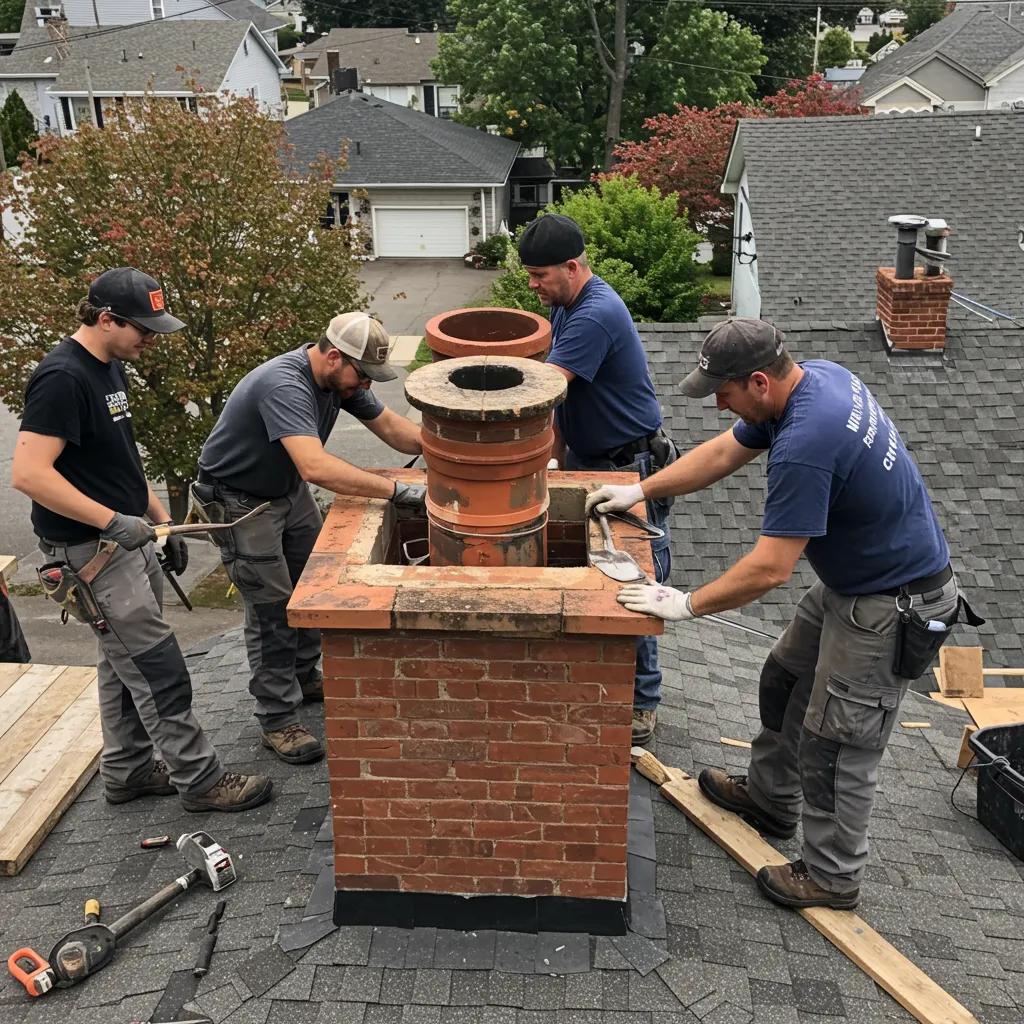
Rox Masonry offers a full suite of brick chimney repair services, from in-depth inspections to advanced rebuilds, each designed to restore safety, efficiency, and structural integrity for Toronto and Hamilton homeowners. Our specialized techniques and seasoned craftsmen ensure tailored solutions for every damage scenario.
How Do Professional Chimney Inspections Ensure Early Problem Detection?
Professional chimney inspections employ video scanning, moisture meters, and compliance checks to uncover hidden voids, flue cracks, and crown defects before they escalate. By mapping damage locations and assessing material conditions, our experts create a targeted repair plan that avoids unnecessary work and focuses on critical issues.
Organized detection through inspections naturally flows into precision mortar repair.
What Is Tuckpointing and Why Is It Crucial for Mortar Joint Repair?
Tuckpointing involves removing deteriorated mortar to a consistent depth and replacing it with new, matched mortar that restores joint strength and weather resistance. This process improves load distribution across bricks, seals out moisture, and preserves the chimney’s original aesthetic.
Precision tuckpointing sets the foundation for protecting above-grade components like the crown and flashing.
How Does Chimney Crown Repair Protect Against Water Damage?
Chimney crown repair resurfaces or replaces the concrete cap that shields the flue top, sealing expansion joints and directing rainwater away from mortar joints. A correctly formed crown prevents water infiltration that leads to efflorescence and freeze-thaw spalling.
A watertight crown works in tandem with flashing to form a complete moisture barrier.
Why Is Durable Chimney Flashing Repair Important for Leak Prevention?
Chimney flashing repair replaces worn or improperly installed metal flashing at the intersection of roof and chimney, creating a continuous seal that prevents water from entering the roof structure. High-grade stainless steel or copper flashing resists corrosion and conforms to slope angles for lasting performance.
Reliably sealed flashing maintains attic dryness and supports flue liner integrity.
When Are Partial and Full Chimney Rebuilds Necessary?
Partial rebuilds address localized structural failures by carefully dismantling and reconstructing affected chimney sections, while full rebuilds dismantle the entire stack to rebuild a solid, code-compliant structure. Rebuilds become necessary when widespread mortar loss, severe leaning, or base deterioration compromises overall stability.
Choosing the right rebuild scope ensures cost-effective restoration and long-term durability.
How Does Chimney Liner Repair Improve Safety and Efficiency?
Chimney liner repair or replacement installs high-temperature stainless steel liners that protect masonry from corrosive combustion byproducts and optimize draft for cleaner burns. A sound liner lowers the risk of creosote buildup and improves appliance efficiency.
A properly relined flue complements external masonry repairs to secure indoor air quality.
What Are the Benefits of Advanced Brick Chimney Waterproofing?
Advanced waterproofing applies breathable sealants that repel liquid water while allowing trapped moisture to escape, preventing cyclical damage from freezing. This layer reduces efflorescence, staining, and freeze-thaw spalling, preserving both brick and mortar surfaces.
Long-lasting waterproofing completes the protective system for a maintenance-friendly chimney.
How Much Does Expert Brick Chimney Repair Cost in Toronto and Hamilton?
Repair costs vary based on damage severity, chosen materials, labour complexity, and local permit requirements, but investing in professional services yields reliable, safe results that avoid repeated fixes. Transparent pricing ensures homeowners understand each cost component before work begins.
| Cost Factor | Impact on Cost | Why It Matters |
|---|---|---|
| Damage Extent | Minor tuckpointing vs. full rebuild | Determines labour and material scope |
| Material Quality | Standard vs. high-performance mortar and brick | Affects longevity and maintenance needs |
| Labour Hours | Inspection, preparation, repair processes | Reflects project complexity and skill level |
| Accessibility | Roof angle, chimney height, confined spaces | Influences safety measures and time |
| Permit and Code Compliance | Local building approvals | Ensures legal and safe execution |
Reviewing these factors helps homeowners budget effectively for both minor repairs and major restorations.
What Factors Influence Brick Chimney Repair Costs?
Key cost drivers include the extent of brick and mortar damage, accessibility for scaffolding, quality of replacement materials, and any flue relining or waterproofing requirements. Understanding these variables allows for clear budgeting and accurate estimates.
Transparent breakdowns of costs reinforce trust and inform scheduling decisions.
How Do Minor Repairs Compare to Full Chimney Rebuilds in Price?
Minor repairs such as tuckpointing or crown resurfacing often range from $500 to $1,500, focusing on surface corrections. In contrast, full chimney rebuilds can exceed $5,000 due to extensive dismantling, foundation work, and complete masonry reconstruction.
Comparing these scopes aids homeowners in selecting the most appropriate solution for their budget and safety goals.
How Can Rox Masonry Provide Accurate Cost Estimates?
Our process begins with a detailed on-site inspection and digital damage mapping, followed by a transparent proposal that breaks down labour, materials, and compliance fees. This structured approach ensures you receive a precise, no-surprises estimate for your project.
Clear estimates empower homeowners to plan effectively and avoid hidden expenses.
What Makes Rox Masonry the Trusted Choice for Chimney Repair in GTA and Hamilton?
Rox Masonry’s reputation is built on decades of local experience, certified craftsmen, and a steadfast commitment to lasting safety and structural excellence. Homeowners rely on our proven methods and personalized service to protect their investments.
How Does Rox Masonry’s Expert Craftsmanship Ensure Quality Results?
Our team combines traditional masonry skills with modern restoration techniques, using mortar blends formulated for Ontario’s climate and bricks matched to your home’s architecture. This craftsmanship produces repairs that blend seamlessly and endure harsh weather cycles.
Expert execution in masonry repair directly translates to long-term durability.
Why Is Local Weather Knowledge Important for Chimney Repairs?
Toronto’s freeze-thaw conditions and Hamilton’s lake effect precipitation demand specific mortar ratios and waterproofing measures. Our understanding of regional climate impacts guides material selection and repair timing, preventing premature deterioration.
Local expertise in weather-proof masonry elevates repair quality and longevity.
How Does Rox Masonry Prioritize Lasting Safety and Structural Integrity?
We adhere to Ontario Building Code standards, perform WETT-certified inspections for wood-burning systems, and follow CSIA guidelines for flue safety. Combining these industry best practices with rigorous quality checks ensures every repair meets or exceeds safety benchmarks.
Choosing a contractor with certified processes delivers peace of mind and superior protection from chimney hazards.
Learn more about our foundation of expertise on the Rox Masonry – Expert Masonry Services in GTA and Hamilton homepage.
How Can Homeowners Maintain Their Brick Chimneys for Long-Term Safety?
Proactive maintenance extends chimney lifespan by preventing minor issues from evolving into structural threats. Establishing an annual upkeep routine preserves performance and safety.
What Are Essential Annual Chimney Maintenance Tips?
Essential annual steps include clearing debris from the flue, inspecting mortar joints for erosion, checking crown and flashing seals, and applying breathable waterproofing coatings. These tasks keep your chimney resilient against moisture and temperature extremes.
Consistent maintenance reduces the likelihood of unexpected repair emergencies.
How Does Regular Cleaning Prevent Creosote and Soot Buildup?
Regular chimney cleaning removes combustible creosote layers and soot deposits that accumulate from wood-burning appliances, reducing fire risk and improving draft efficiency. A video-scan validation confirms the flue is clear before each heating season.
Clean chimney linings support safer, more efficient fireplace operation.
When Should You Schedule Professional Chimney Inspections?
Professional inspections are recommended annually or after signs of damage, such as water staining or visible cracks. Early assessments detect hidden flue cracks or crown defects, allowing quick repairs that prevent costlier structural work.
Coordinated inspections and maintenance foster a continuous safety plan.
How Do You Get Started with Expert Brick Chimney Repair Services?
Initiating your chimney repair begins with a free consultation, a thorough site evaluation, and a clear project proposal that aligns with your timeline and budget. This process sets expectations and ensures full transparency from day one.
How to Request a Free Consultation with Rox Masonry Experts?
To request a free consultation, complete the online form or call us directly to schedule an on-site assessment and receive a detailed proposal. Our team will review your chimney’s condition, discuss repair options, and outline next steps in writing. Reach out via our Contact Us – Rox Masonry – Get a Free Consultation page today.
What to Expect During Your Chimney Repair Assessment?
During your assessment, a certified technician will inspect brick and mortar conditions, crown and flashing integrity, and flue performance using specialized tools. You’ll receive a comprehensive report with photographs, repair recommendations, cost estimates, and project scheduling details. This ensures informed decisions and reliable results.
Maintaining a safe, functional chimney starts with precise diagnostics and expert guidance.
Every brick chimney deserves professional care to prevent hazards and preserve home value. By identifying damage early and partnering with trusted local experts, homeowners in Toronto, the GTA, and Hamilton ensure both safety and longevity. Rox Masonry’s full-spectrum services—from inspections to waterproofing—address every component of a chimney system with precision. Schedule your free consultation now to protect your home with masonry work you can rely on.