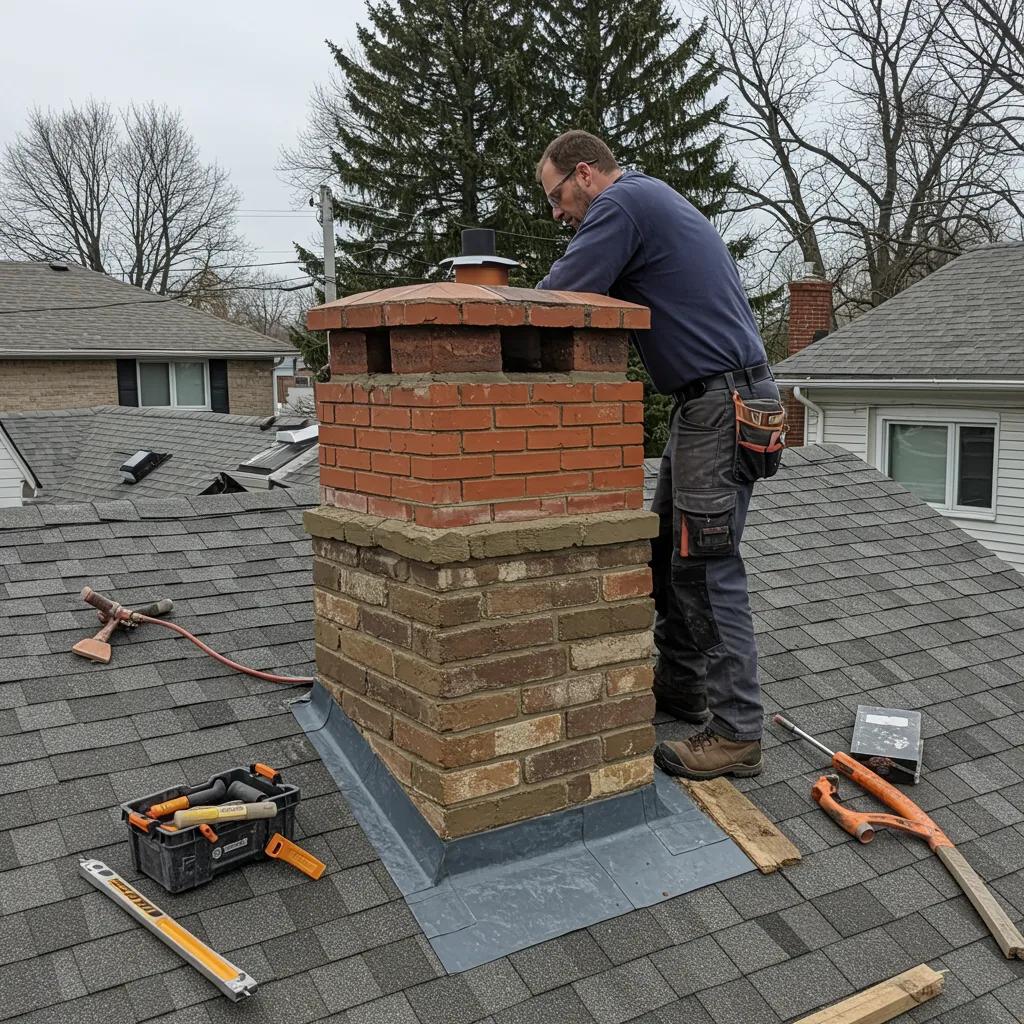
Toronto’s challenging climate, with its relentless freeze-thaw cycles, takes a toll on masonry, leading to issues like spalling, leaks, and structural weakness. This comprehensive guide is designed for Toronto and Hamilton homeowners and property managers, detailing essential chimney repair techniques, how to spot common problems, understand repair costs, implement preventative care, adhere to Ontario building codes, and select a reputable masonry partner. You’ll discover:
- The most common chimney damage affecting Toronto residences
- Key repair methods, from tuckpointing to advanced relining
- Factors influencing repair costs, including scope and materials
- Practical maintenance strategies to avoid expensive fixes
- Why Rox Masonry’s certified expertise protects your home
- Essential Ontario Building Code requirements
Reliability of Existing Climate Indices in Assessing the Freeze-Thaw Damage Risk of Internally Insulated Masonry Walls
This study evaluates the freeze-thaw damage risk in internally insulated solid brick walls in Canadian cities, including the impact of climate change. It highlights that the risk of freeze-thaw damage can increase considerably after interior insulation is added, and that frost damage risk for brick masonry may increase from 2020 to 2050.
This academic paper provides verified insights into the factors influencing freeze-thaw damage in masonry, particularly in a Canadian context, reinforcing the article’s claims about the vulnerability of Toronto homes to such damage and the importance of considering insulation retrofits.
Common Chimney Issues in Toronto Homes
Harsh winter conditions in Toronto are the primary culprit behind common chimney problems, compromising safety and energy efficiency. Often, multiple issues arise simultaneously, making early detection vital to prevent extensive and costly rebuilds.
Before we dive into solutions, let’s identify five frequent types of damage impacting GTA chimneys:
- Deteriorated mortar joints and spalling bricks
- Cracked or worn chimney crowns
- Water leaks caused by compromised flashing
- Damaged or obstructed flue liners
- Chimney leaning due to foundation shifts or settling
These issues not only weaken the chimney’s structure but also affect indoor air quality, necessitating prompt, targeted repairs to restore safety and efficiency.
Understanding Freeze-Thaw Damage: Spalling Bricks and Mortar Decay
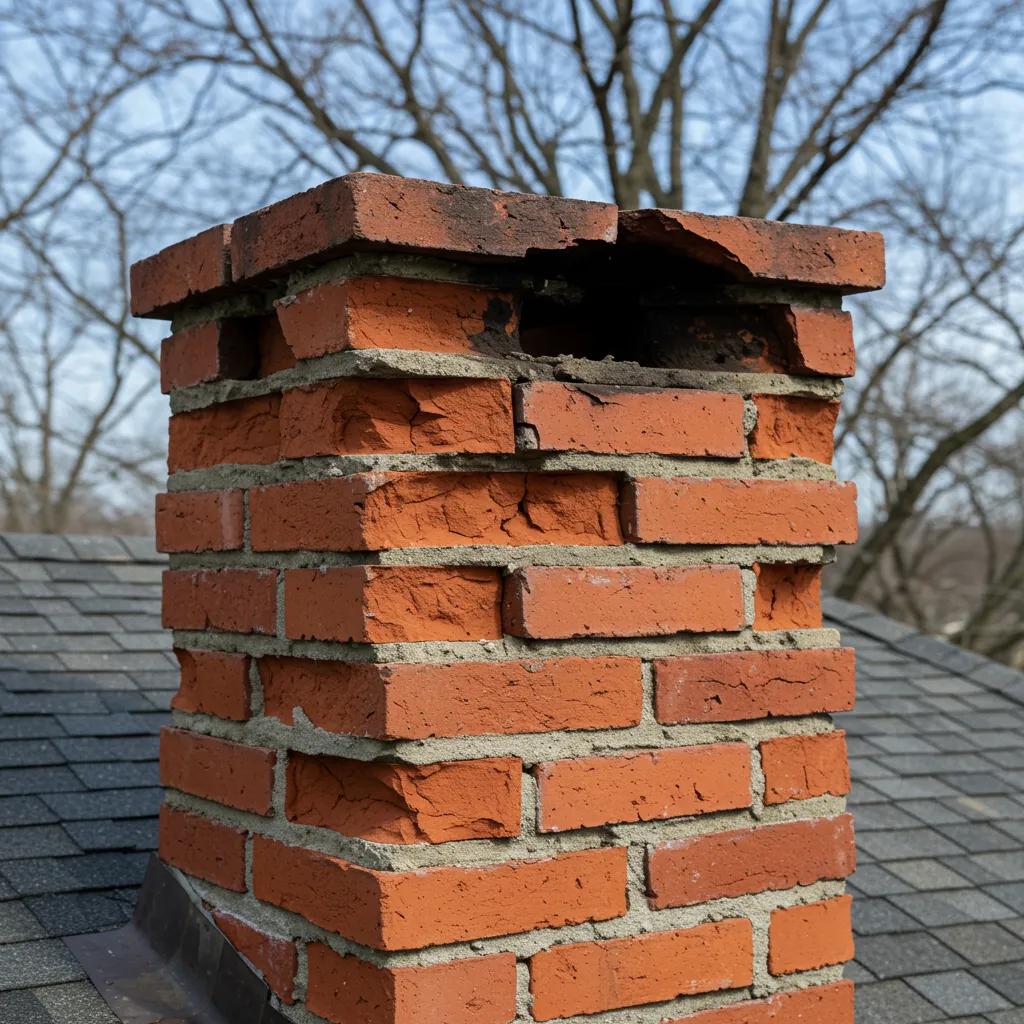
Spalling occurs when water penetrates brick pores, freezes, expands, and then thaws, causing brick fragments to break away. This recurring cycle gradually wears down mortar joints and brick surfaces, weakening the chimney structure and creating entry points for more water. Repairing spalled masonry is crucial for restoring stability and preventing further moisture damage, safeguarding both the chimney’s function and your home’s comfort.
Assessing the Methodology of Freeze-Thaw Degradation in Varying Ages of Brick Masonry Through Frost Dilatometry
This Master’s thesis investigates the susceptibility of brick masonry to freeze-thaw deterioration, particularly in the Toronto climate. It details a frost dilatometry methodology to determine the critical degree of saturation at which damage occurs, noting that significant damage can occur between -4°C and -10°C.
This research directly supports the article’s explanation of how Toronto’s freeze-thaw cycles cause spalling bricks and mortar deterioration by providing a scientific basis for the damage mechanism.
Identifying Chimney Crown Damage and Cracks
The chimney crown acts as a protective cap, sealing the flue and directing rainwater away from the masonry. When cracks or erosion compromise the crown, water can infiltrate the chimney structure. Look for visible fissures, crumbling edges, or rust stains on surrounding bricks as indicators of crown failure. Addressing crown damage promptly is essential to prevent internal moisture buildup and subsequent deterioration of the firebox and flue liner.
The Impact of Chimney Leaks and Flashing Failures on Toronto Homes
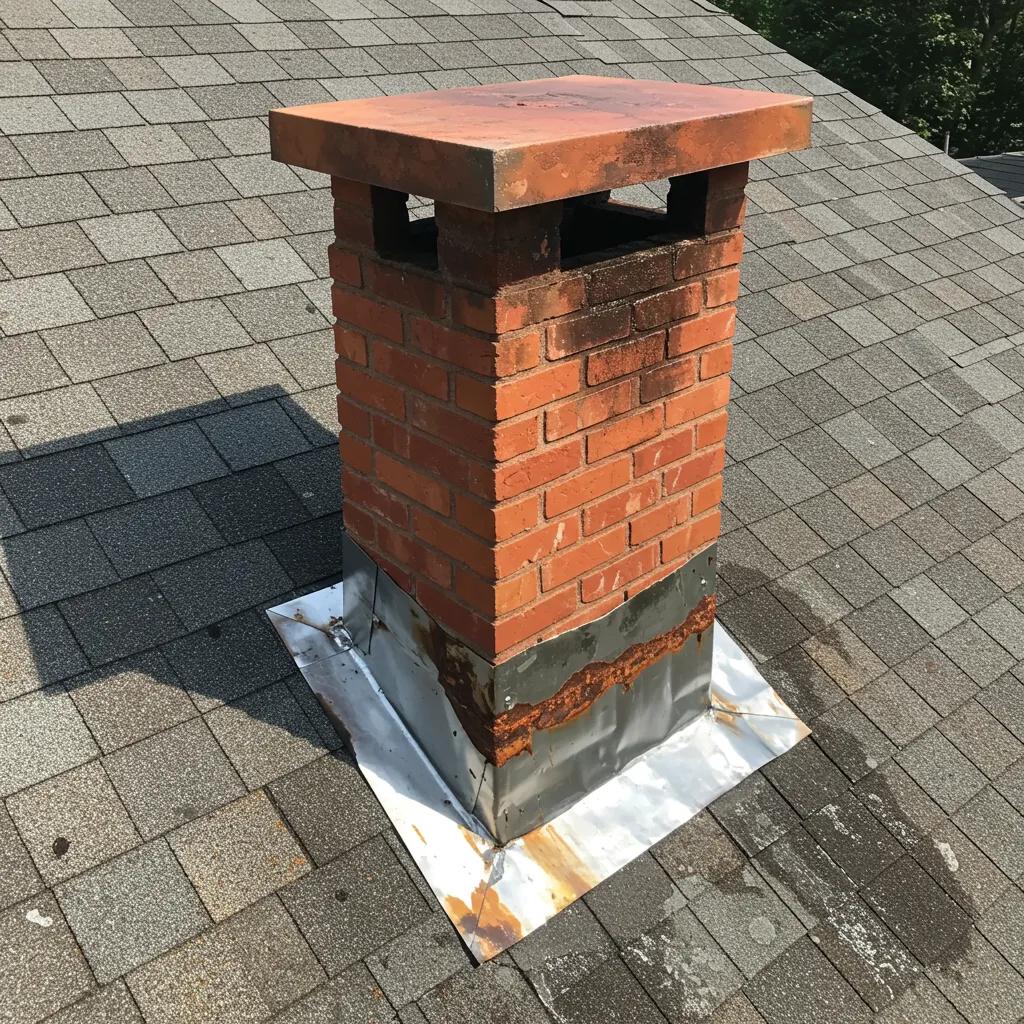
Flashing, the critical seal between the roof and chimney, can corrode or detach over time, allowing water to seep into the roof structure and attic. Signs of trouble include water stains on ceilings, mold growth near the chimney, or visible rust on flashing seams. Replacing damaged flashing and ensuring proper waterproofing restores the chimney’s ability to shed water effectively, protecting your home from rot and insulation damage.
When to Address Damaged Flue Liners and Blockages
A flue liner is vital for protecting the chimney’s masonry from intense heat and corrosive creosote. Cracks or missing sections in the liner allow heat to escape into the surrounding structure, significantly increasing fire risk. Symptoms such as excessive creosote buildup, reduced furnace draft, or uneven smoke patterns indicate a compromised liner. Relining the flue with durable stainless-steel or ceramic materials re-establishes a safe exhaust pathway, improving draft and mitigating fire hazards.
Causes of Chimney Leaning and Structural Instability in Toronto
Chimney leaning is often a consequence of foundation settling, frost heave affecting the footings, or inadequate support from the underlying masonry. Even a slight tilt can place undue stress on the brickwork, potentially leading to a complete collapse. Stabilization typically involves reinforcing the footings, rebuilding compromised sections, and ensuring proper backfill and drainage. Addressing a leaning chimney is crucial for protecting both the building’s structure and the roof’s integrity.
Essential Chimney Repair Techniques for Toronto Homes
Effective chimney repair in Toronto involves specialized masonry techniques designed to restore structural integrity, enhance durability, and ensure safety. Employing the correct method based on the specific damage prevents recurring problems and extends the chimney’s lifespan.
Toronto masons commonly utilize these five core repair strategies:
- Tuckpointing to revitalize mortar joints
- Crown repair and rebuilding for a watertight seal
- Flashing replacement to eliminate leaks
- Chimney relining with robust stainless-steel or ceramic liners
- Brick replacement and comprehensive masonry restoration
Choosing the right technique is key to ensuring long-term structural soundness, aesthetic appeal, and optimal performance.
What is Tuckpointing and When is it Necessary?
Tuckpointing involves carefully removing deteriorated mortar to a uniform depth and then repointing the joints with a precisely matched mortar mix. This process strengthens the joints, prevents water infiltration, and significantly improves the chimney’s appearance. It’s typically required when mortar cracks, crumbles, or erodes, a common issue in Toronto’s freeze-thaw climate, often necessitating attention every 15–20 years.
Chimney Crown Repair and Rebuilding Procedures
The process for repairing a chimney crown starts with removing any cracked or deteriorated concrete. After cleaning the underlying brickwork, a new crown is cast, often using a fluid-applied cementitious overlay or a full concrete pour. Technicians ensure the new crown is sloped correctly to direct water away from the flue. A properly rebuilt crown is essential for preventing water from pooling and penetrating the chimney structure.
When to Repair or Replace Chimney Flashing
Annual inspection of chimney flashing is recommended. Repairs are needed if seams begin to separate or sealants fail. Complete replacement is advised when corrosion or detachment compromises the flashing’s integrity. Installing high-quality stainless steel or copper flashing, coupled with appropriate sealants, creates a durable, waterproof connection between the chimney and the roof.
Chimney Relining Options Available in Toronto
Relining a chimney restores its safety and efficiency by installing a new internal protective layer. Homeowners have several options:
- Stainless-steel liners: Flexible and highly resistant to corrosion, making them suitable for most masonry chimneys.
- Ceramic liners: Offer excellent durability at high temperatures, ideal for wood-burning appliances.
- Cast-in-place polymer liners: Provide a seamless, custom fit, particularly effective for chimneys with complex configurations.
Each type of liner enhances draft performance, reduces creosote buildup, and prolongs the chimney’s service life.
Improving Chimney Durability Through Brick Replacement and Masonry Restoration
Brick replacement focuses on individually replacing damaged bricks, carefully matching new ones to the existing profile for a seamless look. When combined with comprehensive masonry restoration—including cleaning, repointing, and sealing—this approach rebuilds the chimney’s structural integrity and renews its aesthetic appeal. This method offers a lasting solution without the expense of a full rebuild.
Understanding Chimney Repair Costs in Toronto and Influencing Factors
The cost of chimney repair in Toronto is influenced by the extent of the damage, the specific repair techniques employed, the materials used, and prevailing local labour rates. Understanding these elements is key to accurate budgeting and avoiding unexpected expenses.
Key factors affecting pricing include:
- The severity of the damage: ranging from minor tuckpointing to a complete rebuild
- Material choices: from standard mortar mixes to specialized, high-performance options
- Relining system selection: stainless-steel versus ceramic liners
- Accessibility challenges: such as roof height and the need for scaffolding
- Seasonal demand and potential weather delays
By carefully evaluating these variables upfront, you can effectively compare quotes and identify the most cost-effective repair strategy.
Average Cost Ranges for Common Chimney Repairs in Toronto
Homeowners typically invest between $150 and $500 per linear metre for tuckpointing. Chimney crown repairs can range from $800 to $2,500, depending on the complexity. Stainless-steel relining generally costs between $1,200 and $3,500, while full chimney rebuilds can exceed $15,000. Prioritizing targeted repairs often postpones the need for a complete reconstruction.
The following table provides an overview of average costs:
| Repair Type | Average Cost | Typical Conditions |
|---|---|---|
| Tuckpointing | $150–$500 per m | Widespread mortar joint deterioration |
| Crown Repair | $800–$2,500 | Cracked or eroded concrete crown |
| Stainless-Steel Relining | $1,200–$3,500 | Damaged flue liner, creosote buildup |
| Flashing Replacement | $600–$1,200 | Leaks at roof-chimney interface |
| Full Chimney Rebuild | $10,000–$20,000+ | Structural instability, severe damage |
These average costs can fluctuate based on the service provider and the specific condition of your chimney. A detailed inspection is essential for obtaining precise estimates.
Factors Influencing Chimney Repair Pricing Across the GTA
Variations in pricing throughout the GTA are influenced by local labour costs, permit requirements, adherence to building codes, and material availability. Projects in downtown Toronto may incur higher costs for scaffolding and safety measures, while Hamilton may offer more competitive labour rates. Seasonal demand also impacts scheduling fees and material lead times.
When is a Chimney Rebuild More Economical Than Repair?
A chimney rebuild becomes the more cost-effective option when damage affects over 50% of the flue structure, mortar joints are beyond repointing, or underlying foundation issues compromise stability. In such scenarios, rebuilding ensures long-term structural safety and can add decades of service life, proving more economical than repeated, piecemeal repairs.
How Professional Inspections Help Manage Repair Expenses
Certified chimney inspections are crucial for identifying hidden issues, such as hairline cracks in flue liners or early-stage spalling, before they escalate into major problems. Detailed inspection reports enable targeted repairs, preventing unnecessary work and optimizing budget allocation. Regular inspections can lead to overall maintenance cost savings of 20–30%.
Preventative Chimney Maintenance for Toronto Homeowners
Proactive maintenance is key to protecting your chimney from moisture, freeze-thaw damage, and creosote buildup, thereby extending its lifespan and ensuring safety. Simple, consistent habits can save thousands in future repair costs.
To maintain your chimney in optimal condition, follow these best practices:
- Schedule annual professional chimney inspections
- Apply masonry waterproofing sealants seasonally
- Keep the chimney cap and spark arrestor free of debris
- Clear vegetation growth around the chimney’s base
- Regularly monitor mortar joints and brick surfaces for early signs of cracking
Best Practices for Regular Chimney Inspections in Toronto
A comprehensive inspection should assess the crown’s integrity, the flue liner’s condition, the flashing’s seal, and internal creosote levels. Homeowners should arrange inspections before the heating season begins and again after significant weather events. Documenting inspection findings over time helps track deterioration patterns and informs timely repair decisions.
How Seasonal Maintenance Protects Against Freeze-Thaw Damage
Applying masonry-safe water repellents in late spring and conducting a thorough damage inspection each fall limits water penetration and reduces spalling. Ensuring the chimney top is clear of leaves and debris allows for proper drainage, minimizing moisture exposure during critical freeze-thaw periods.
Simple DIY Tips for Identifying Early Chimney Problems
Homeowners can perform visual checks from ground level using binoculars to spot mortar cracks, loose bricks, or rust stains. Inspecting attic ceilings near the chimney for damp spots and noting any musty odours can indicate potential leaks. Early detection prompts a professional evaluation, preventing minor issues from becoming major ones.
When to Schedule Professional Chimney Cleaning and Maintenance
Professional chimney sweeping is recommended annually for wood-burning fireplaces and every two to three heating seasons for gas appliances. Cleaning removes flammable creosote and debris, while maintenance addresses minor wear like flaking or joint gaps before winter weather can worsen the damage.
Why Choose Rox Masonry for Expert Chimney Repair in Toronto?
Rox Masonry boasts WETT-certified technicians, extensive local experience, and a commitment to customer satisfaction, ensuring every chimney repair delivers lasting safety and enhances curb appeal. Our reputation for superior craftsmanship and transparent pricing sets us apart among Toronto’s masonry contractors.
Explore our comprehensive range of professional chimney repair services to discover how we combine expertise with durable solutions to protect your home.
Rox Masonry’s Certifications and Experience in Chimney Repairs
Every Rox Masonry technician holds WETT certification and provincial contractor licenses. Our team has successfully completed hundreds of chimney projects across Toronto, the GTA, and Hamilton, developing deep expertise in addressing local climate challenges and ensuring full compliance with building codes.
Ensuring Quality Craftsmanship and Long-Lasting Repairs at Rox Masonry
We utilize premium materials, including high-strength mortars, durable stainless-steel liners, and commercial-grade sealants, combined with meticulous workmanship. Each repair adheres strictly to manufacturer guidelines and industry best practices, resulting in repairs that withstand severe weather and minimize future maintenance needs.
Customer Testimonials and Case Studies from Toronto Chimney Repairs
Our clients consistently praise Rox Masonry for punctuality, clear communication, and exceptional, long-lasting results. A North York homeowner reported a 30% improvement in heating efficiency following tuckpointing and relining services. A West End property manager successfully avoided a costly rebuild by opting for targeted restoration to address early spalling.
How to Request a Consultation or Free Estimate from Rox Masonry
To schedule a thorough chimney inspection and receive a no-obligation quote, contact Rox Masonry for chimney services online or by calling our Toronto office. Our experienced professionals will develop a customized repair plan tailored to your chimney’s specific needs and your budget.
Ontario Building Code Requirements for Chimney Repairs in Toronto
All chimney repairs in Toronto must strictly adhere to the Ontario Building Code, which outlines essential standards for structural integrity, fire safety clearances, and flue liner specifications, ensuring both safety and legal compliance.
Key code requirements include:
- Maintaining minimum clearances between the flue liner and combustible materials
- Using approved materials for all mortar, flashing, and liner components
- Ensuring proper design and installation of caps and crowns to prevent water ingress
- Providing adequate support and anchoring for chimney structures
- Compliance with relevant CSA standards for wood-burning appliances
Ontario Building Code: Masonry and Concrete Chimneys
The Ontario Building Code outlines specific requirements for masonry and concrete chimneys, including minimum clearances from combustible materials, flue construction, liner specifications, and bracing for stability. Sections 9.21 and 9.22 detail these provisions to ensure safety and structural integrity.
This citation verifies the regulatory requirements mentioned in the article, ensuring that homeowners and property managers comply with local building codes for chimney repairs and rebuilds in Toronto.
Local Building Codes Impacting Chimney Repair and Rebuilds
Section 9.17 of the Ontario Building Code specifically addresses masonry chimneys, detailing requirements for flue construction, clearances, and materials. Additionally, municipal bylaws, particularly in older Toronto neighbourhoods, may impose heritage restrictions or specific height limitations, necessitating coordination with local building departments.
How Safety Standards Influence Chimney Repair Techniques
Safety standards mandate the use of non-combustible liners and properly sealed crowns to prevent fire propagation. Flashing and damper components must meet CSA guidelines for wind and water resistance. Adhering to these standards ensures that chimney repairs are not only durable but also pass official inspections.
Licensing and Certification Requirements for Toronto Masonry Contractors
Contractors undertaking chimney repairs must possess a valid Ontario masonry license, maintain WSIB coverage, and, for work involving wood-burning appliances, hold WETT certification. Hiring a fully licensed and certified team guarantees code compliance and protects your property investment.
Frequently Asked Questions About Chimney Repair in Toronto
Homeowners frequently inquire about the urgency of specific repairs, how to distinguish between repair and rebuild scenarios, and the optimal time to engage a professional. Common concerns also include assessing the need for tuckpointing, estimating project timelines, and weighing the risks of DIY versus professional services. Understanding these common questions helps in planning chimney maintenance and budgeting for expert assistance.
Even if you’re unsure about the extent of the work required, a brief consultation can clarify your next steps and provide personalized recommendations for ensuring your chimney’s safety and longevity.
Consistent chimney care, guided by these principles, effectively prevents structural degradation and fire hazards, offering Toronto homeowners invaluable peace of mind. For comprehensive inspections, expert repairs, and a complimentary estimate on any masonry project, connect with Rox Masonry’s certified team today. Our deep understanding of local conditions, proven track record of quality workmanship, and unwavering commitment to customer service ensure your chimney remains a safe and efficient focal point of your home.