Best Brick Repair Contractor in Mississauga Revealed: Expert Masonry Services by Rox Masonry
Brick veneer, load-bearing masonry, and historic brickwork in Mississauga require repair approaches tailored to local climate stressors, material aging, and heritage considerations. This article explains how to recognize brick damage, why targeted repairs matter for structural safety and curb appeal, and the practical steps professionals use to diagnose and remediate common problems. You will learn to identify spalling, mortar deterioration, efflorescence, and chimney defects; understand typical repair techniques such as tuck pointing, brick replacement, and chimney rebuilds; and see clear cost factors that affect estimates in the Mississauga/GTA climate. The guide also walks through the repair workflow from inspection to quality assurance, lays out transparent cost drivers and sample ranges, and shows how to prepare for a fast, accurate free consultation. Throughout, local considerations—freeze-thaw cycles, lake-effect moisture, and heritage permit needs—are highlighted so you can prioritize repairs that extend the life of your masonry and reduce long-term maintenance costs.
Why Choose Rox Masonry as Your Brick Repair Contractor in Mississauga?
Choosing the right contractor starts with local knowledge, consistent workmanship, and transparent processes that protect both structure and appearance. A qualified masonry approach combines material compatibility, correct mortar matching, and freeze-thaw resilient techniques to prevent recurring failures and maintain historic character where required. Prioritizing durable mortars, accurate brick matching, and careful flashing and lintel checks reduces water ingress and subsequent spalling, producing long-term value for property owners. The following points outline the core advantages property owners should expect when evaluating brick repair services in Mississauga.
- Local climate-aware techniques that account for freeze-thaw cycles and lake-effect moisture.
- Material compatibility and mortar matching to preserve structural integrity and appearance.
- Transparent inspections and clear communication that reduce surprises during repair.
- Focus on durable outcomes—correct flashing, lintel checks, and mortar selection for longevity.
These advantages set the stage for a trustworthy repair process and lead naturally into how local expertise and workmanship standards are applied on site.
What Local Expertise Does Rox Masonry Bring to Mississauga Brick Repair?
Rox Masonry applies local expertise by selecting materials and techniques proven for Mississauga’s freeze-thaw cycles and seasonal moisture patterns. Technicians evaluate exposure, orientation, and historical construction methods to choose compatible mortar mixes and match brick texture and color for seamless repairs. This local focus reduces the risk of incompatible mortars or poor brick matching that can accelerate deterioration, especially in older neighborhoods and heritage areas. Understanding municipal permit requirements and typical neighborhood material palettes helps ensure repairs are both durable and visually consistent with surrounding properties.
This local knowledge naturally informs the crew’s quality checks and communication practices during each project.
How Does Rox Masonry Ensure High-Quality Craftsmanship and Customer Satisfaction?
Quality craftsmanship begins with a structured inspection, skilled tradespeople, and clear project communication that sets timing and expectations upfront. Work crews follow step-by-step methods for mortar removal, repointing or brick replacement, then apply curing and finishing techniques to ensure long-term bond strength and color blending. Project managers provide regular updates during work, address punch-list items proactively, and recommend maintenance steps to owners for longer service life. These practices reduce disruptions, clarify scope changes, and align outcomes with homeowner or property manager priorities.
Consistent communication and field-level QA lead into the materials and technologies used for durable repairs.
What Technologies and Materials Does Rox Masonry Use for Durable Brick Repairs?
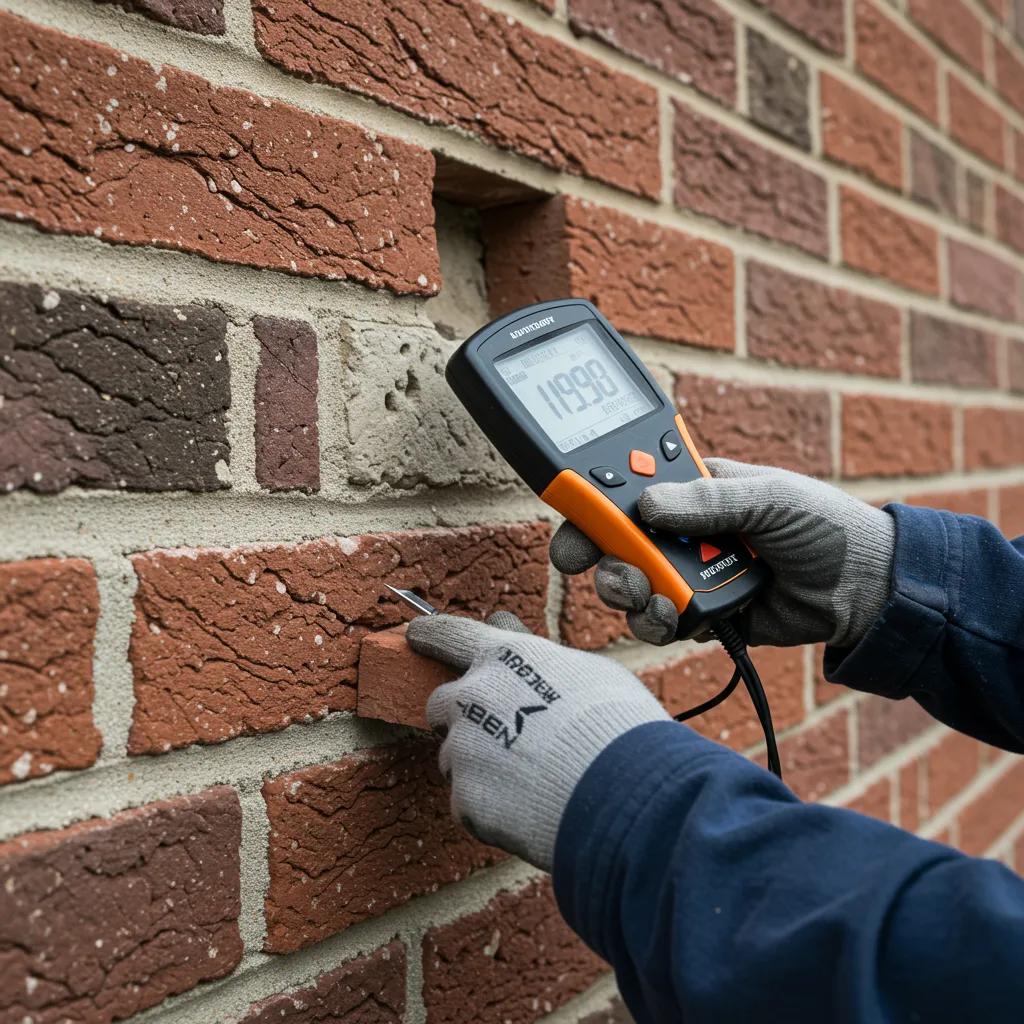
Durable brick repair depends on using compatible mortar formulations, modern moisture diagnostics, and careful brick sourcing to match existing facades. Moisture meters and targeted visual diagnostics locate active water pathways while lime/cement balance in mortars is adjusted to match historic masonry wherever necessary. For matching, salvaged or specially selected bricks are blended and finished with tooling techniques that replicate original joints and textures. These material choices and diagnostic tools reduce future failures by addressing both symptom and cause rather than providing only cosmetic fixes.
Materials selection and diagnostic tools directly affect repair outcomes and inform the service options described next.
What Are the Common Signs Your Bricks Need Repair in Mississauga?
Recognizing deterioration early helps prevent structural escalation and higher repair costs, and it keeps buildings weather-tight through freeze-thaw cycles and heavy precipitation. Typical signs include surface scaling (spalling), vertical or stair-step cracks in brickwork, and mortar loss exposing masonry to moisture. Moisture indicators like white salt deposits, staining, and recurring damp patches signal ongoing water pathways that require professional diagnosis. Below is a concise list of common signs owners should watch for to prioritize inspections and remedial action.
- Visible brick spalling or surface flaking that reveals core material.
- Cracking patterns in brickwork, including vertical, horizontal, and stepping at corners.
- Mortar joint recession or voids exposing brick units to water penetration.
- Efflorescence and staining that indicate persistent moisture movement.
Prompt inspection for these issues reduces the chance of escalation and prepares the property for targeted repairs.
How to Identify Brick Spalling, Cracks, and Mortar Deterioration?
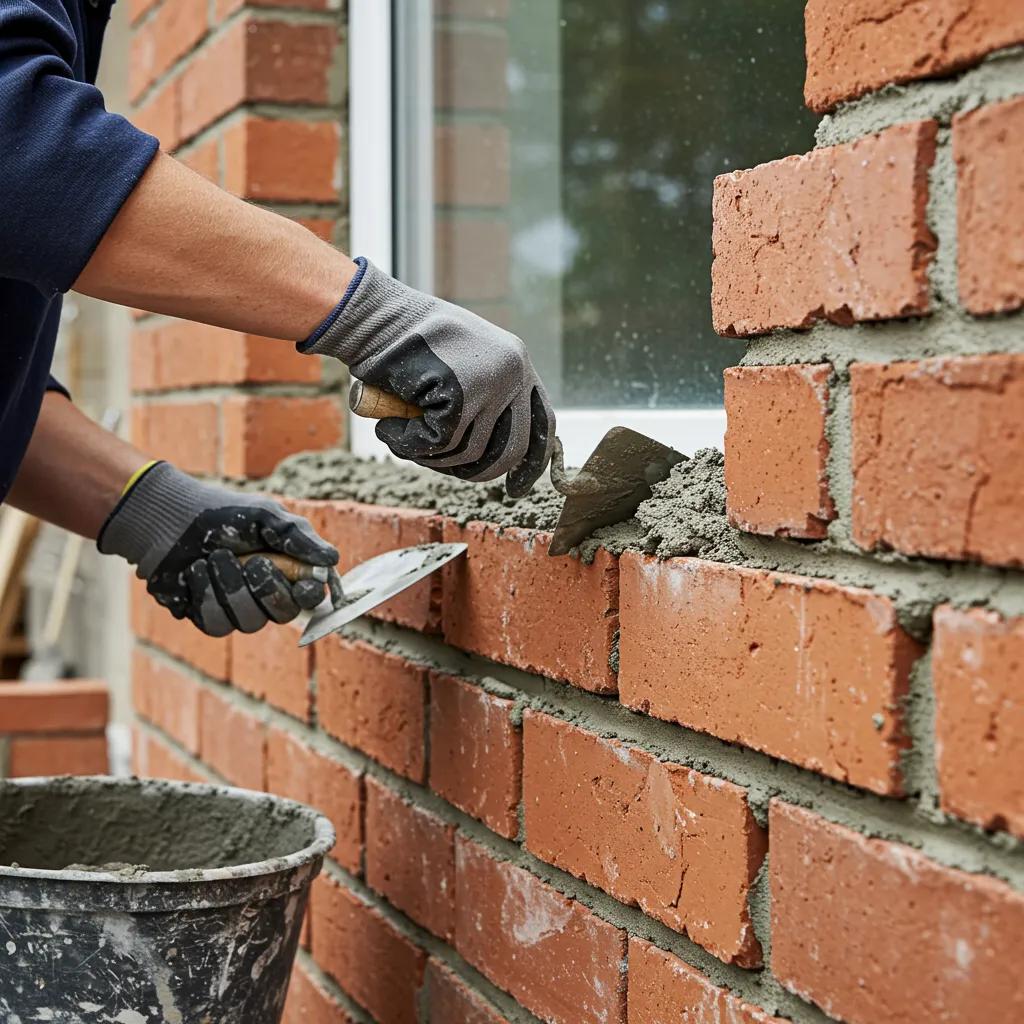
Spalling appears as flaking or peeling of the brick face and often indicates freeze-thaw distress or trapped moisture, while cracks vary by pattern and root cause—settlement, thermal movement, or point loads. Mortar deterioration shows as recessed joints, loose aggregate, or gaps that allow water entry and accelerate freeze-thaw damage. Homeowners can check for loose bricks by gently probing mortar joints and look for patterns—diagonal cracks near openings often suggest movement, while widespread mortar loss points to age and weather exposure. Early identification allows for tuck pointing or selective brick replacement before larger structural repairs become necessary.
Recognizing the cause behind visible damage is essential before deciding between repointing, partial replacement, or full restoration.
What Causes Efflorescence and Water Damage on Exterior Bricks?
Efflorescence is a surface salt deposit caused by water-soluble salts migrating to the brick face as moisture evaporates, and it signals active water movement through masonry. Common moisture sources include missing or failed flashing, poor grading around foundations, blocked weep holes, and compromised mortar joints that let rainwater penetrate the assembly. Mississauga’s seasonal freeze-thaw accelerates this cycle: water enters in wetter months and expands when freezing, causing spalling and mortar loss. Addressing efflorescence requires eliminating sources of water ingress and repairing the masonry envelope, rather than only removing surface salts, to prevent recurrence.
Understanding moisture drivers leads logically to deciding when professional replacement or restoration is needed.
Dommages dus au gel-dégel et durabilité des briques d’argile en Chine
L’article évalue scientifiquement la durabilité des structures en maçonnerie, prédit raisonnablement la durée de vie résiduelle et protège efficacement le patrimoine architectural des structures en maçonnerie soumis aux cycles de gel-dégel; il a étudié de manière exhaustive et systématique la loi de détérioration des briques bleues d’argile traditionnelles. Grâce à des expériences en laboratoire sur des briques bleues d’argile après des cycles de gel-dégel, nous avons étudié les changements d’apparence, les caractéristiques microstructurelles, la qualité et l’absorption d’eau, les changements de résistance à la compression, le degré de dommage et la durée de vie résiduelle des briques bleues d’argile traditionnelles. Les résultats ont montré que les dommages causés par le processus de gel-dégel à la brique bleue se reflétaient dans la dégradation des propriétés mécaniques macroscopiques, l’expansion de la microstructure et le développement de micro-défauts étant la raison intrinsèque de la dévolution des propriétés mécaniques.
When Should You Consider Professional Brick Replacement or Restoration?
Professional replacement is recommended when multiple adjacent bricks have failed, when structural ties or lintels are compromised, or when heritage value necessitates specialist restoration methods to preserve character. Small, isolated defects may be fixed with repointing and selective brick replacement, but pervasive material loss, undermined supports, or crumbling chimneys usually require a more comprehensive rebuild. Property owners with heritage facades should consult specialists who balance material compatibility and permits with visual authenticity to preserve historical value. Engaging professionals early reduces risk and often lowers total lifecycle cost by addressing root causes rather than recurring patch repairs.
Deciding between repair and replacement depends on damage extent, heritage considerations, and long-term maintenance goals.
What Comprehensive Brick Repair Services Does Rox Masonry Offer in Mississauga?
Rox Masonry provides a suite of masonry services tailored to residential and commercial needs across Mississauga and the GTA, focusing on durable outcomes rather than temporary fixes. Services include tuck pointing to restore mortar joints, chimney repair and full rebuilds for safe venting, brick replacement and color/texture matching for seamless patches, and heritage brick restoration that respects material compatibility and aesthetic continuity. These services integrate diagnostic inspection, correct material selection, and finishing techniques to extend lifespan and maintain appearance. Below is a structured breakdown of core services and their immediate benefits to building owners.
| Service | Service Components | Benefit |
|---|---|---|
| Tuck Pointing | Remove deteriorated mortar, repoint with compatible mortar, tool joints | Restores mortar bond, prevents water ingress, extends facade life |
| Chimney Repair & Rebuild | Crown repair, flashing checks, liner and brickwork restoration | Improves safety, prevents leaks, restores draft and structural soundness |
| Brick Replacement | Brick sourcing/matching, selective replacement, mortar blending | Repairs localized damage with a visually consistent result |
| Heritage Restoration | Material analysis, compatible mortars, permit coordination guidance | Preserves historic character while improving safety and longevity |
This table clarifies how specific service components address structural and aesthetic issues; each service begins with a targeted inspection to define scope and deliver an accurate recommendation.
How Does Tuck Pointing Restore Mortar and Structural Integrity?
Tuck pointing involves removing failing mortar to a consistent depth and replacing it with a compatible mortar mix that matches original hardness and appearance, then tooling joints for water-shedding performance. Correct mortar selection prevents the new mortar from being too hard or too soft relative to existing brick, avoiding future damage that arises from incompatible materials. Repointed joints seal the masonry against moisture-driven deterioration and improve the wall’s load transfer where mortar loss undermined bond strength. For homeowners, tuck pointing is often the most cost-effective way to restore structural integrity and curb appeal without wholesale replacement.
This repair method ties directly into chimney and brick replacement decisions when deterioration is more extensive.
What Is Included in Chimney Repair and Rebuild Services?
Chimney services start with a safety-focused inspection of crown, flashing, liner condition, and the masonry stack; repairs may include crown resurfacing, reinstalling or replacing flashing, repointing and, when necessary, partial or full rebuilds of the stack. Proper flashing and crown details are essential to prevent moisture entry at roof junctions, and liner assessments ensure safe draft and chimney function. When structural cracking or severe mortar loss is present, staged rebuilds restore both safety and visual continuity. Addressing chimney defects promptly protects interior finishes, prevents water damage, and maintains safe venting for heating appliances.
Chimney repair choices often affect scope and cost, which are discussed in the cost factors section.
How Does Rox Masonry Handle Brick Replacement and Matching?
Selective brick replacement begins with careful brick sourcing—salvaged units or new runs selected to match size, texture, and color—and precise cutting and bedding so new units integrate visually and structurally. Mortar tinting and joint tooling are used to blend patches; finishing techniques such as feathering and surface treatments reduce contrast between old and new work. When original bricks are rare or discontinued, partial facade strategies and custom sourcing reduce visual disruption while returning structural integrity. This approach minimizes invasive work and helps retain historic character in older buildings.
Matching strategies influence both schedule and cost and are considered during the initial inspection and estimate.
What Are the Benefits of Heritage Brick Restoration in Mississauga?
Heritage restoration balances structural repair with preservation of historic fabric through compatible mortars, salvaged materials, and sensitive interventions that meet conservation best practices. This process often requires documentation, material analysis, and coordination with local heritage advisors to ensure visual authenticity and compliance where heritage oversight applies. Correct restoration not only preserves aesthetic value but also prevents accelerated decay caused by incompatible modern materials. Owners benefit from preserved property value, extended facade life, and reduced frequency of disruptive repairs.
Heritage work typically requires a more detailed inspection and planning phase, discussed next in the process overview.
Caractérisation des matériaux cimentaires patrimoniaux pour la restauration
La caractérisation des matériaux cimentaires patrimoniaux est devenue un sujet de grande importance dans la protection de la culture et de l’histoire pour les générations futures. L’analyse des matériaux cimentaires d’origine permet d’assurer une restauration compatible et durable des bâtiments patrimoniaux. L’analyse est effectuée à différentes fins : recherche, évaluation de compatibilité avant restauration et/ou documentation. Il existe plusieurs techniques analytiques que de nombreux chercheurs utilisent pour analyser la composition des matériaux cimentaires d’origine. Cependant, jusqu’à présent, le choix de la méthode analytique dépendait uniquement de l’appréciation et de la préférence personnelle des chercheurs. Les méthodes courantes comprennent les analyses microscopiques, chimiques humides et par rayons X. L’objectif de cet article est de passer en revue la littérature technique portant sur la caractérisation (physique, chimique, minéralogique et mécanique) des matériaux cimentaires patrimoniaux d’origine et son application dans les travaux de restauration proposés.
How Does the Brick Repair Process Work with Rox Masonry in Mississauga?
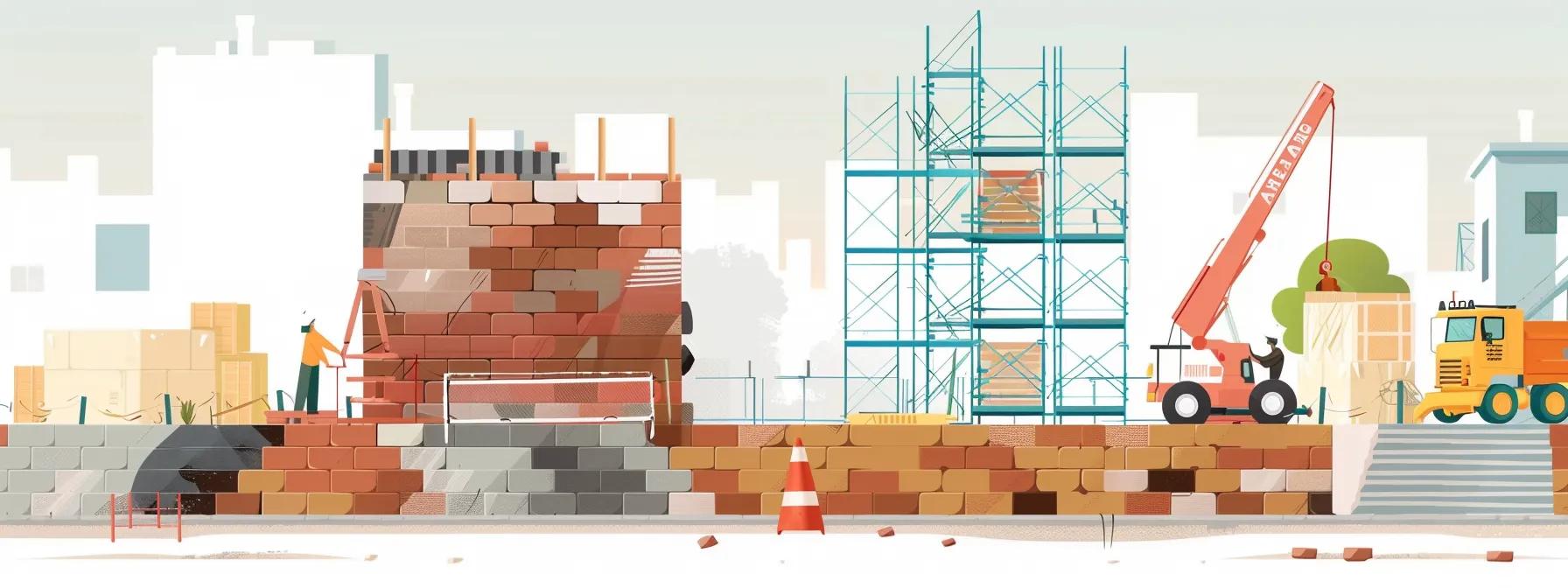
An effective repair process follows clear, inspect-diagnose-repair-verify stages that reduce uncertainty, improve budget accuracy, and deliver durable outcomes. The sequence begins with a thorough site inspection to identify visible and hidden moisture pathways, structural issues, and access constraints; diagnostic tests may include moisture readings and substrate checks. After diagnosis, the contractor proposes targeted repairs with material specifications and scheduling details, then executes work using trained crews and quality materials. Final quality assurance checks and client walkthroughs confirm work completeness and maintenance recommendations.
- Inspection: Visual and diagnostic evaluation to identify damage and causes.
- Diagnosis & Proposal: Scope definition, material choices, and transparent pricing.
- Repair Execution: Skilled workmanship, staging, and safe site management.
- Quality Assurance: Final checks, client walkthrough, and maintenance guidance.
This numbered process clarifies expectations for property owners and supports informed decision-making when repairs are needed.
What Are the Steps in Inspecting and Diagnosing Brick Damage?
Inspection steps include visual mapping of damage patterns, checking mortar joint depth and hardness, testing for moisture ingress with meters, and evaluating flashing, copings, and lintels for failure. Inspectors note accessibility constraints, scaffolding needs, and any nearby mechanical penetrations that may influence repair scope or permit requirements. Where settlement or structural concerns arise, inspectors recommend escalation to structural assessment specialists and coordinate findings with property managers. A detailed inspection report helps prioritize interventions and provides the documentation needed for accurate quoting.
The inspection findings directly inform repair execution methods and material specifications outlined next.
| Inspection Focus | What We Check | Recommended Action |
|---|---|---|
| Mortar Joints | Depth, hardness, voids | Repoint or replace with compatible mortar |
| Brick Units | Spalling, cracks, salt deposits | Selective replacement or surface repair |
| Flashing & Crown | Integrity, seal, corrosion | Repair or replace flashing and crown details |
| Moisture Pathways | Meter readings, staining | Eliminate source and repair masonry envelope |
This checklist-style table shows inspection priorities and the corresponding recommended actions that shape repair scope and costs.
How Is the Repair Work Executed to Ensure Longevity and Aesthetic Appeal?
Execution emphasizes correct sequence: remove failing material, prepare substrate, install matching bricks or repoint with specified mortar, then cure and finish joints to achieve color and texture blending. Proper scaffolding, protection of adjacent finishes, and controlled curing conditions ensure mortar gains appropriate strength and appearance. Finishing includes joint tooling, color matching, and, where required, gentle cleaning to reveal a uniform facade. These steps reduce the chance of premature failure and preserve the building’s visual character while improving performance.
Execution quality leads naturally to final QA measures described immediately after.
What Quality Assurance Measures Does Rox Masonry Implement?
Quality assurance includes post-completion inspections, punch-list resolution, and owner guidance on maintenance intervals and seasonal checks to limit future moisture intrusion. Field supervisors verify mortar compressive characteristics, joint tooling consistency, and brick alignment before client acceptance. Follow-up inspections and maintenance plans help owners catch early signs of recurring issues and maintain warranty commitments or service assurances. Clear QA and ongoing maintenance guidance ensure the repair investment delivers the expected service life.
These QA measures feed into cost transparency and help owners understand expected outcomes relative to investment.
What Factors Affect the Cost of Brick Repair in Mississauga?
Several predictable variables determine repair costs: extent of damage, brick type and availability, access and scaffolding needs, and permit or heritage coordination requirements. Labour intensity rises with complex access and heritage-compatible methods, while rare brick matching or extended scaffolding increases material and mobilization costs. Seasonal timing and emergency repairs also change pricing dynamics—planned work is generally more cost-efficient than rush repairs. Below is a comparative table summarizing common repair types, their primary cost drivers, and typical time estimates to guide expectations.
| Repair Type | Primary Cost Drivers | Typical Time Estimate |
|---|---|---|
| Tuck Pointing | Square footage, joint depth, scaffold needs | 1–7 days depending on area |
| Brick Replacement | Brick availability, extent of units, tooling | 1–5 days for small patches |
| Chimney Rebuild | Height, liner work, crown and flashing | Several days to weeks for full rebuild |
| Heritage Restoration | Material analysis, permits, matching | Weeks to months depending on approvals |
This table highlights how scope and access influence both price and schedule; the next section explains how specific attributes change estimates.
How Do Damage Extent and Brick Type Influence Pricing?
Minor repointing is generally labour-intensive but predictable—cost scales with area to be repointed and joint depth—whereas full replacement requires sourcing matching bricks and more intricate installation, increasing both material and time costs. Rare or hand-made bricks raise unit costs because of sourcing or custom fabrication, and heritage-compatible mortars add testing and analysis steps that increase pre-construction effort. Accessibility issues—narrow lanes, third-floor facades or protection requirements for landscaping—also multiply labour hours, scaffolding, and safety precautions. Understanding these variables helps owners prioritize cost-effective interventions.
Recognizing price drivers makes sample ranges clearer in the next subsection.
What Are Typical Price Ranges for Tuck Pointing, Chimney Repair, and Replacement?
Typical ranges vary by site specifics but follow predictable patterns: tuck pointing tends to be priced per square metre of joint area, selective brick replacement is priced per unit plus labour, and chimney rebuilds scale with height and complexity. Additional charges arise from scaffolding, permit fees, and heritage coordination where required by local authorities. These ranges should be treated as general guidance; a site inspection produces a tailored estimate that captures access and material nuances. The EAV table above summarizes how attributes translate to time and cost categories to help owners forecast budgets.
Transparent quoting is essential—learn how to request a clear estimate below.
How Can You Get a Free, Transparent Quote from Rox Masonry?
To obtain an accurate, free estimate, prepare clear photos of the affected areas, note measurements (approximate height and square metres), describe symptoms (cracking, leaks, visible spalling), and list any access constraints such as gated driveways or narrow lanes. During a free consultation, the inspection team documents damage, recommends prioritized repairs, and provides a transparent breakdown of labour, materials, and any permit coordination required. For the fastest response, call the contact number or locate the contractor’s Google Business Profile to request an on-site inspection; the process emphasizes clarity and no-obligation recommendations. Providing photos and basic measurements ahead of a visit speeds up the quoting process and improves estimate accuracy.
Owners who supply clear documentation receive more reliable, transparent pricing and a quicker pathway to repair scheduling.
What Do Clients Say About Rox Masonry’s Brick Repair Services in Mississauga?
Client feedback and project summaries illustrate trends in how repairs solved moisture problems, restored facades, and prevented further structural decline, but summaries must avoid individual attributions while conveying common outcomes. Case study summaries typically describe the initial problem, the chosen technical approach, and the measurable outcome—reduced water ingress, renewed mortar bond, or matched aesthetic results—without fabricating quoted testimonials. These project narratives demonstrate real-world application of techniques discussed earlier and provide prospective clients with realistic expectations about timelines and outcomes.
Which Case Studies Showcase Successful Brick Repair Projects?
Representative case studies include residential repointing that halted basement moisture intrusion, a partial chimney rebuild that resolved repeated leaks, and a heritage facade restoration that blended new work with original brick texture to preserve streetscape character. Each project began with a detailed inspection, a targeted repair scope, and a coordinated execution that minimized disruption. Outcomes common across these cases include restored weatherproofing, improved structural appearance, and reduced need for repeat visits. These summaries highlight technical choices—compatible mortars, selective replacement, and flashing remediation—that produced measurable improvements in building performance.
Readers can request project references or a visual gallery during the consultation process to evaluate workmanship for themselves.
How Do Customer Testimonials Reflect Rox Masonry’s Expertise?
Customer feedback typically emphasizes responsiveness, clear explanations of work scope, and satisfaction with the visual match and durability of repairs, reflecting the contractor’s focus on communication and craft. While individual testimonials are not reproduced here, the common themes align with the core service attributes described earlier: accurate diagnosis, material compatibility, and careful finishing. Prospective clients are encouraged to view project galleries or request references during the free consultation to verify these themes and assess the fit for their own projects.
These trust signals support an informed decision to proceed to the scheduling stage described next.
Revue des techniques de restauration des structures historiques en brique et en bois
Cet article examine les techniques de restauration adaptées aux bâtiments à structure de brique et de bois, en se concentrant sur la maçonnerie de brique et l’utilisation de matériaux hydrophobes pour leur bonne compatibilité et praticité. Il aborde les défis et les méthodes impliqués dans la restauration des structures historiques en brique, en tenant compte du vieillissement des matériaux et de la préservation du patrimoine.
How Can You Schedule a Free Consultation with the Best Brick Repair Contractor in Mississauga?
Scheduling a free consultation requires a simple set of steps: prepare photos and basic measurements, choose contact method, and expect a prompt, no-obligation inspection that results in a transparent written estimate. The consultation includes an on-site inspection, material recommendations, and a clear breakdown of costs and timelines so owners can compare options. For local intent, phone contact and the contractor’s Google Business Profile are the fastest ways to initiate service requests and read verified business details. The following numbered instructions outline what to provide and what to expect during the free consult.
- Prepare three to five clear photos showing the damage from different angles and a short description of symptoms.
- Note basic measurements (approximate height of affected wall and area in square metres) and any access limitations that might affect scaffolding.
- Call the provided contact number or request an on-site inspection through the contractor’s local business listing to schedule a visit.
- Expect a transparent written estimate that itemizes labour, materials, and any permit or access costs.
These steps shorten turnaround time and improve estimate accuracy by giving the inspection team the context they need prior to arrival.
What Information Do You Need to Provide for an Accurate Estimate?
Provide well-lit photos showing overall context and close-ups of damage, approximate measurements (height of affected wall and area in square metres), and a description of symptoms such as active leaks, visible spalling, or recurring efflorescence. Note property type (residential or commercial), access issues like narrow lanes or gated properties, and any heritage designation or permit constraints you know of. Sharing this information ahead of the visit lets the inspector prepare material samples and equipment, which reduces the number of site visits required to produce a final quote. Clear upfront data leads to more accurate, transparent estimates and faster project start dates.
This preparation also helps the contractor plan material matching and scaffold logistics prior to arrival.
How Does Rox Masonry Support You Throughout Your Masonry Project?
Support during a project includes pre-construction planning, clear scheduling, professional site management, and a final walkthrough with maintenance recommendations to extend repair life. Communication checkpoints cover start dates, daily progress updates, and any unforeseen conditions that alter scope or cost, ensuring owners remain informed and empowered to decide. After completion, owners receive guidance on seasonal checks and recommended maintenance intervals to preserve the investment. This client-focused process reduces surprises and supports long-term satisfaction with the repair outcome.
If you’re ready to schedule a free consultation, prepare your photos and measurements and call 647-709-2112 to arrange an inspection or find the contractor’s local business listing for scheduling options.
Frequently Asked Questions
What is the typical timeline for brick repair projects in Mississauga?
The timeline for brick repair projects can vary significantly based on the extent of damage and the specific services required. For instance, tuck pointing may take between 1 to 7 days, while more extensive work like chimney rebuilds can take several days to weeks. Heritage restoration projects often require additional time due to the need for permits and material analysis, potentially extending the timeline to weeks or even months. A detailed inspection will provide a clearer estimate of the expected duration for your specific project.
How can I maintain my brickwork after repairs?
Maintaining your brickwork after repairs is crucial for extending its lifespan. Regular inspections for signs of moisture intrusion, efflorescence, or cracking can help catch issues early. It’s also important to ensure that gutters and downspouts are functioning properly to direct water away from the masonry. Seasonal cleaning of the brick surface can prevent the buildup of dirt and salts that may lead to deterioration. Additionally, following any maintenance recommendations provided by your contractor will help preserve the integrity and appearance of your brickwork.
Are there specific permits required for brick repair in heritage buildings?
Yes, when repairing brickwork on heritage buildings in Mississauga, specific permits are often required to ensure compliance with local heritage preservation guidelines. These permits help maintain the historical integrity of the structure and may involve consultations with heritage advisors. The process typically includes submitting detailed plans of the proposed work and may require material analysis to ensure compatibility with the original construction. Engaging a contractor experienced in heritage restoration can help navigate these requirements effectively.
What should I look for in a masonry contractor?
When selecting a masonry contractor, consider their experience, especially with projects similar to yours. Look for a contractor who demonstrates a strong understanding of local climate conditions and material compatibility. Check for customer reviews and testimonials to gauge their reputation for quality workmanship and communication. Additionally, ensure they provide transparent pricing and a detailed scope of work. A contractor who offers a clear inspection process and follows up with quality assurance measures is likely to deliver satisfactory results.
How can I prevent future brick damage?
Preventing future brick damage involves proactive measures such as ensuring proper drainage around your property to avoid water pooling near the foundation. Regular maintenance, including checking for and repairing any cracks or mortar deterioration, is essential. Installing or maintaining flashing and weep holes can help manage moisture ingress. Additionally, consider using breathable sealants that allow moisture to escape while protecting against water penetration. Regular inspections by a professional can also help identify potential issues before they escalate into significant problems.
What are the signs that my brickwork needs immediate attention?
Signs that your brickwork requires immediate attention include visible spalling or flaking of bricks, significant cracks in the masonry, and mortar joint recession. If you notice efflorescence, which appears as white salt deposits on the surface, it indicates moisture issues that need addressing. Additionally, any signs of water leaks inside your home or damp patches on walls should prompt a professional inspection. Addressing these issues promptly can prevent more extensive damage and costly repairs down the line.
Conclusion
Choosing Rox Masonry for your brick repair needs in Mississauga ensures that you benefit from local expertise, high-quality craftsmanship, and durable solutions tailored to the unique challenges of the region. Our transparent processes and commitment to preserving the aesthetic integrity of your property reinforce the value of investing in professional masonry services. Don’t wait for minor issues to escalate; contact us today for a free consultation and let us help you protect your investment. Experience the difference that expert masonry can make for your home or business.