Affordable Masonry Repairs in Mississauga: What Homeowners Need to Know
Affordable masonry repairs cover essential work that restores brick, stone, mortar joints, chimneys, and foundation parging without compromising long-term durability. Homeowners in Mississauga face specific risks from seasonal freeze-thaw cycles and de-icing salts that accelerate spalling, mortar loss, and efflorescence, so understanding common failure modes and realistic costs matters before you sign a quote. This article explains how masonry systems fail in local climates, typical cost ranges and pricing drivers, practical service options such as tuckpointing and chimney repair, and how to select a contractor who balances cost and longevity. You’ll find clear checklists for preparing a quote, EAV-style cost tables for quick reference, and step-by-step advice for getting a free estimate. The aim is to help Mississauga homeowners make cost-effective decisions that preserve structural integrity, protect property value, and avoid repeated short-term fixes.
What Are the Common Types of Masonry Damage in Mississauga?
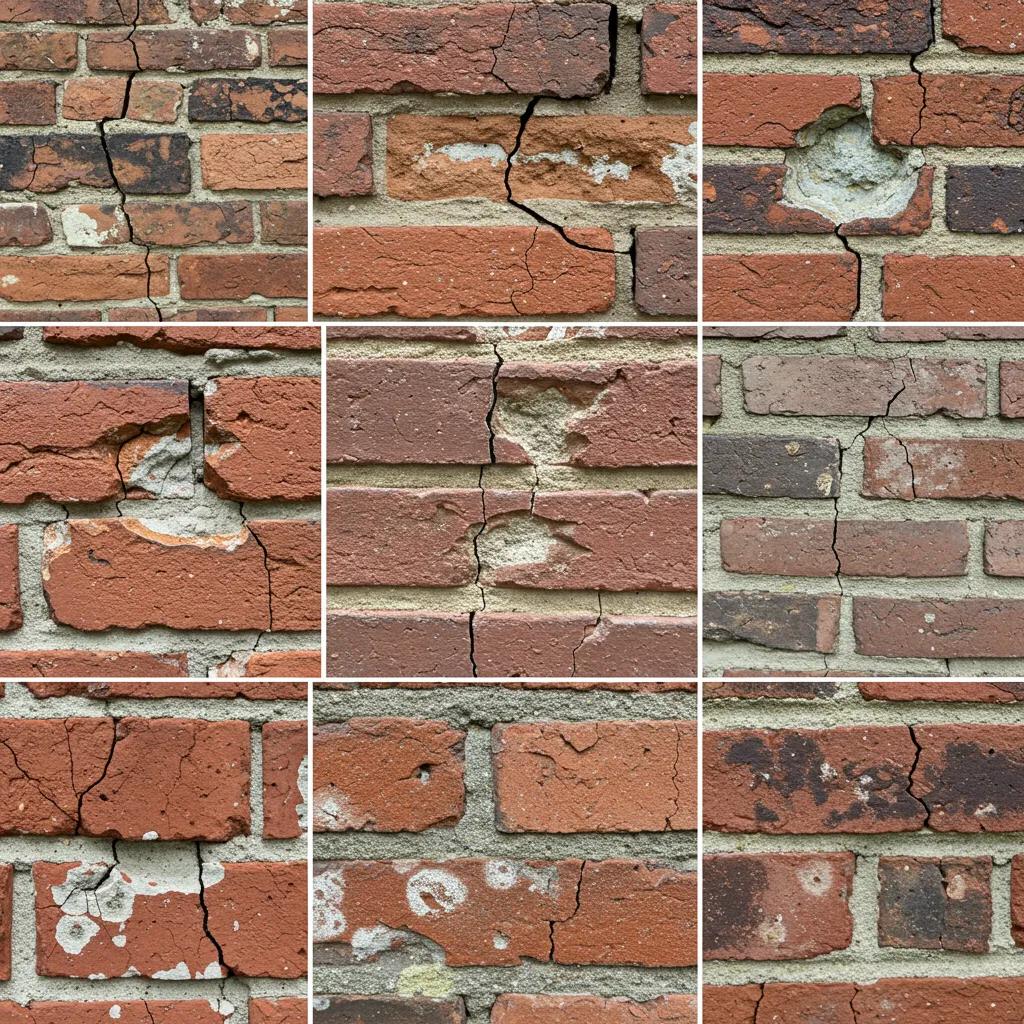
Masonry damage in Mississauga typically results from a combination of water penetration, freeze-thaw cycling, and material aging, producing visible and structural defects that require timely intervention. These mechanisms drive cracking, spalling, mortar joint loss, efflorescence, and settlement-related movement; identifying the root cause guides whether repair, tuckpointing, or partial rebuild is appropriate. Early recognition lets homeowners prioritize affordable fixes that prevent escalation into expensive structural remediation. Below are the most frequent damage types seen on local exterior walls, chimneys, and stonework and quick remedies to reduce further deterioration.
The following list summarizes common damage types and immediate homeowner actions:
- Cracks in brick or mortar: Small hairline cracks often indicate thermal movement; large stepped cracks or wall separation suggest structural issues needing professional assessment.
- Spalling and flaking: Surface loss from freeze-thaw requires replacing damaged units and addressing moisture sources to prevent recurrence.
- Efflorescence and staining: Salt deposits show moisture migration; source control and appropriate cleaning restore appearance and indicate needed drainage repairs.
- Mortar joint loss and erosion: Missing mortar accelerates water entry and should be addressed with tuckpointing to restore joint integrity.
- Settlement and bulging: Wall displacement or bulging bricks signal foundation or load problems and require urgent inspection.
Recognizing damage early reduces cost and complexity. Rox Masonry’s technicians routinely diagnose these Mississauga-specific patterns—linking visual signs to freeze-thaw mechanisms and recommending prioritized, budget-friendly repairs—so homeowners can decide which issues need immediate attention and which can be phased affordably into a maintenance plan.
What Signs Indicate Your Brickwork Needs Repair?
Visible cues are the simplest way homeowners can spot masonry problems before they worsen, and prompt inspection often saves money by avoiding larger repairs. Typical signs include widening hairline cracks that progress into stepped cracks, bulging or leaning sections, loose or missing bricks, and widely eroded mortar joints that allow fingernail penetration. Water stains, white salt deposits (efflorescence), and recurring damp patches inside basements or on interior walls point to active moisture migration from exterior masonry.
A practical decision approach is useful: if cracks are hairline and non-progressive, monitor and schedule tuckpointing; if cracks are wide, stepped, or accompanied by bulging, arrange a professional structural assessment. Early detection leads naturally into maintenance tasks such as replacing failing mortar, improving flashing and drainage, and applying targeted sealing—steps that limit long-term costs and stabilize the wall before more invasive interventions become necessary.
How Does Mississauga’s Climate Affect Masonry Durability?
Mississauga’s seasonal freeze-thaw cycles and near-lake humidity create repeated expansion and contraction in masonry units and mortar, which drives spalling, cracking, and joint deterioration over time. Water entering pores and joints freezes in winter, expanding and exerting pressure that fragments brick faces or dislodges mortar; repeated cycles make initial micro-damage evolve into visible spalling and accelerated decay. Road salts and de-icing chemicals add chloride-driven deterioration that undermines mortar and certain stone types.
Addressing climate impacts requires selecting appropriate materials and repair techniques: breathable mortars that match original composition, correct flashing and weeping systems to manage drainage, and targeted sealing or parging where needed. Proper detailing and seasonal inspection reduce water retention and the mechanical stresses that cause recurring damage, protecting the long-term value of your exterior masonry.
Dommages dus au gel-dégel dans les murs de maçonnerie canadiens dans un contexte de changement climatique
Pour atténuer les effets du changement climatique, le Code national de l’énergie pour les bâtiments impose des niveaux d’isolation plus élevés dans les bâtiments. Cependant, l’augmentation des niveaux d’isolation dans l’enveloppe du bâtiment peut entraîner un risque accru de problèmes d’humidité. Avec un climat changeant, on s’attend à une intensité de précipitations plus élevée, des vents plus forts et davantage de tempêtes, ce qui pourrait augmenter les charges de pluie induite par le vent sur les façades et les risques de dommages par pénétration de pluie dans l’enveloppe des bâtiments. Cet article vise à présenter les résultats des effets du changement climatique sur le risque de dommages dus au gel-dégel dans les murs de maçonnerie de briques isolés intérieurement dans différentes villes canadiennes, en utilisant différents modèles de gel-dégel. Les dommages dus au gel-dégel ont été évalués à l’aide de différents modèles. Des simulations ont été effectuées à l’aide de DELPHIN 5.9.4. Les résultats ont montré un risque potentiel de gel-dégel à Montréal et Vancouver après la rénovation. Dans un contexte de changement climatique, Winnipeg présente le plus faible risque de dommages dus au gel, bien que les fonctions de dommage aient montré une augmentation du niveau de gravité. En comparant les résultats de différents modèles dans un climat changeant, les fonctions de dommage semblaient bien correspondre dans la plupart des cas, à l’exception des cycles de gel-dégel indicatifs (IFTC) évalués à St. John’s. Ce modèle compte le nombre de cycles de gel-dégel en fonction de la courte durée du gel et du dégel et ne tient donc pas compte des périodes de gel-dégel plus longues.
Evaluating the potential of freeze-thaw damage in internally insulated masonry under climate change using different models, S Sahyoun, 2019
The study on freeze-thaw damage in Canadian masonry highlights how climate change and increased insulation can exacerbate moisture-related issues, underscoring the importance of understanding local climate impacts on building materials.
What Are the Typical Issues with Chimneys and Stonework?
Chimneys and stone features present distinct problems in Mississauga because they are highly exposed to precipitation and thermal cycling, so common issues include cracked or eroded chimney crowns, damaged flashing, leaning stacks, deteriorated flue liners, and loose stone veneers. Chimney crown cracks allow water to penetrate the stack, causing internal freeze-thaw damage and potential flue compromise; faulty flashing leads to roof leaks that masquerade as general roof problems but originate at the chimney base.
For stonework, loose veneers and failing mortar joints can create safety hazards if stones detach; matching replacement stone and appropriate anchoring address both appearance and safety. Safety-first inspections are essential for chimneys: visible leaning, large cracks, or falling mortar require prompt professional evaluation to decide between targeted repair and a full rebuild to restore safe operation and weatherproofing.
How Much Does Affordable Masonry Repair Cost in Mississauga?
Understanding cost ranges for common masonry repairs in Mississauga helps homeowners plan budgets and compare quotes with confidence, because price reflects scope, materials, access, and local climate mitigation. Typical cost ranges below reflect common scenarios for minor to moderate repairs; they exclude extensive structural rebuilds, permit fees, or rare material sourcing which raise costs. Use the tables to get a quick reference and then read the explanations that follow to see what drives variability and how to manage expenses.
The table below summarizes typical service costs and timeframes for common affordable masonry repairs in Mississauga:
| Service | Typical Cost Range (Mississauga) | Typical Timeframe |
|---|---|---|
| Minor tuckpointing (per m²) | $80–$200 | 1–3 days |
| Localized brick repair/replacement (per brick or small area) | $150–$600 | 1–2 days |
| Chimney repair (minor flashing/crown work) | $400–$1,500 | 1–3 days |
| Chimney rebuild (partial/full) | $2,000–$8,000+ | Several days–2 weeks |
| Stone veneer/patch repairs | $300–$1,200 | 1–4 days |
What Factors Influence Masonry Repair Prices in Mississauga?
Several interrelated factors determine masonry repair pricing, and understanding them lets homeowners take steps to control costs and choose value-oriented solutions. Key drivers include the extent of visible and hidden damage, the need for scaffold or lift access, matching and sourcing replacement bricks or stone, labour intensity for delicate repairs, and any required permits or inspections. Site access constraints, landscaping protection, and seasonal scheduling (winter vs. summer) also affect labour time and materials.
Homeowners can reduce costs by preparing clear photos and access notes before the quote visit, removing obstructions, and considering phased repairs that address urgent issues first while deferring cosmetic work. Choosing a contractor who provides a line-item estimate, warranty terms, and a materials match plan helps avoid surprise charges and ensures you’re comparing like-for-like proposals when evaluating affordability versus long-term value.
The following table explains how common factors affect price and what homeowners can do:
| Factor | How It Affects Price | What Homeowners Can Do |
|---|---|---|
| Extent of damage | More damage increases labour and materials | Provide history and photos; allow thorough inspection |
| Access / scaffolding | Requires equipment rental and safety setup | Clear site, note access constraints in advance |
| Material matching | Rare bricks/stones cost more to source | Ask about salvaging and color blending options |
| Weather / seasonality | Winter repairs may need special mortars | Schedule non-urgent work in warmer months |
| Structural complexity | Requires engineering or rebuild | Get professional assessment early to plan phases |
What Are Typical Cost Ranges for Brick, Chimney, and Tuckpointing Repairs?
Breaking costs down by service gives homeowners a practical starting point when comparing estimates and recognizing outliers. Tuckpointing for non-structural mortar renewal is often the most cost-effective way to arrest water ingress and typically ranges per square metre based on joint depth and mortar type. Brick replacement in small areas depends on unit availability and finish work, while chimney repairs vary drastically between flashing and crown repairs and full rebuilds that involve liner replacement and structural work.
When comparing quotes, watch for line items that separate materials, waste removal, access/scaffold fees, and labour hours; this transparency lets you see where savings are and where quality matters. Investing slightly more in correct mortar matching and proper flashing installation prevents repeat repairs and protects value longer term.
What Affordable Masonry Repair Services Does Rox Masonry Offer in Mississauga?
Rox Masonry offers a range of masonry services designed to deliver durable, value-focused repairs for Mississauga homeowners, combining targeted diagnostics with practical, cost-aware execution. Services include brick repair and replacement, chimney repair and rebuild options, professional tuckpointing to restore mortar joint strength, stone repair and parging for foundation protection, and comprehensive masonry restoration that prioritizes structural integrity and long-term performance. The company emphasizes custom solutions, reliable support, and free consultations to help homeowners choose priorities and phases that match budgets.
Below is a concise comparison of core services, what each includes, and the primary homeowner benefit:
| Service | What’s Included | Value / Benefit |
|---|---|---|
| Brick repair & replacement | Inspection, brick matching, localized replacement, cleaning | Restores appearance and prevents water entry |
| Chimney repair & rebuilds | Crown repair, flashing replacement, liner check, rebuild options | Ensures safe operation and weatherproofing |
| Tuckpointing | Mortar removal, matched repointing, cleanup | Restores joint strength and resists moisture |
| Stone repair & parging | Stone/veneer matching, mortar repair, parging for foundations | Protects foundation and exterior aesthetics |
Rox Masonry presents these offerings alongside free quotes and a transparent explanation of options so homeowners can decide on phased repairs or full remediation based on urgency and budget. The company’s approach emphasizes matching materials for visual continuity and applying Mississauga-specific techniques—such as mortar mixes and drainage improvements—to reduce freeze-thaw recurrence and extend repair life.
How Does Rox Masonry Handle Brick Repair and Replacement?
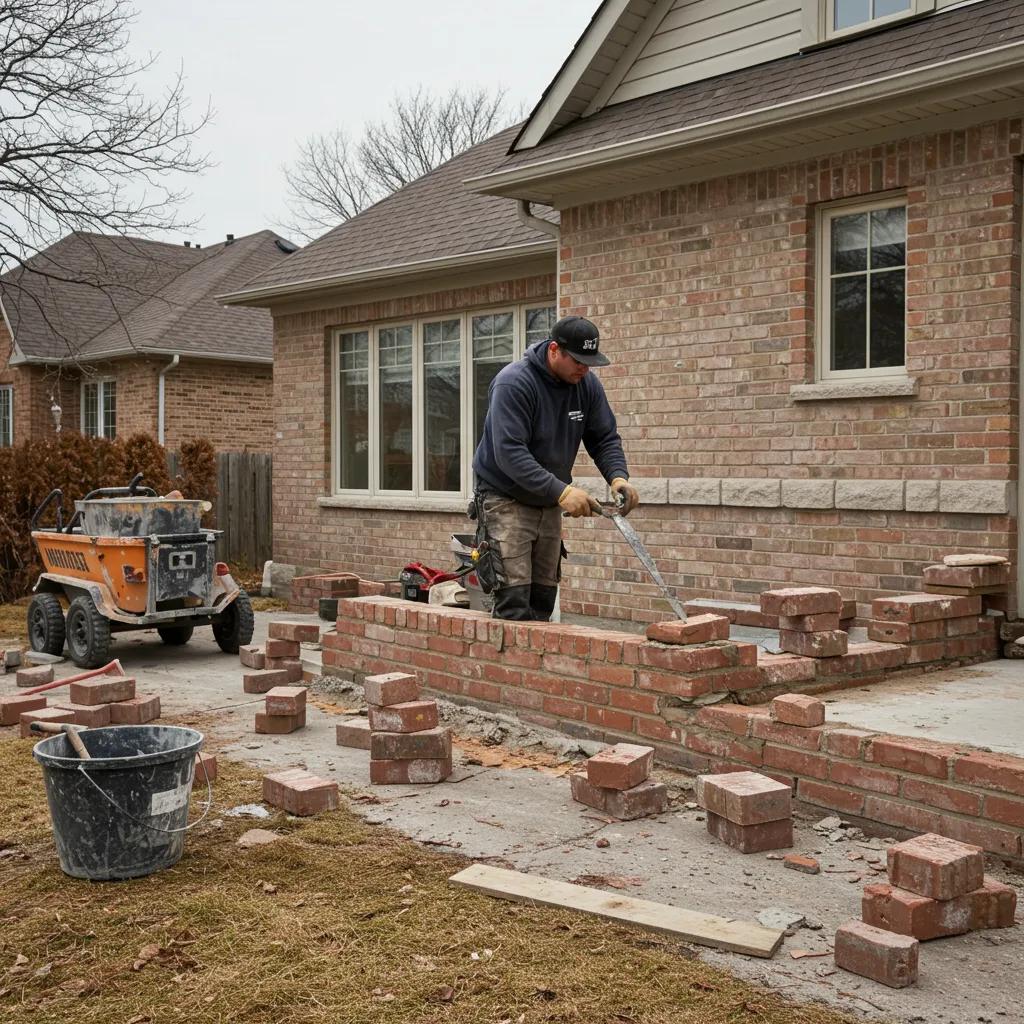
Brick repair begins with a focused inspection to determine whether units are salvageable, whether mortar failure is primary, or whether underlying movement requires structural attention. The practical method is to document damage, source closely matched brick and mortar color/texture, and replace only the affected units while preserving surrounding masonry. Finishing steps include careful cleaning, color blending, and surface sealing only where appropriate to maintain breathability.
Rox Masonry’s workflow emphasizes diagnostic clarity and efficient scheduling to reduce labour costs; the inspection-driven approach ensures homeowners receive options (repair, partial replacement, or phased work) with transparent pricing so decisions balance appearance, durability, and budget.
What Are the Options for Chimney Repair and Rebuilds?
Chimney interventions range from targeted repairs—such as crown resurfacing and flashing replacement—to partial or full rebuilds when structural cracks, leaning, or flue liner failure are present. Safety and function guide the decision: small crown or flashing defects can be repaired affordably, while extensive mortar loss, severe leaning, or noncompliant liners necessitate rebuilds for safe continued use.
A professional inspection checks flue integrity, crown condition, and attachments; after assessment, homeowners receive clear options with timelines and disruption expectations so they can weigh lower-cost repairs against the long-term protection and code compliance that a rebuild delivers.
Why Is Tuckpointing Important for Masonry Restoration?
Tuckpointing restores the mortar joint—the meronomic component that binds bricks and stones—and prevents water ingress that initiates freeze-thaw damage and internal damp. By removing deteriorated mortar and replacing it with a matched, properly compacted mix, tuckpointing re-establishes joint strength and weather resistance without replacing sound masonry units, making it a cost-effective alternative to full replacement.
Beyond appearance, correctly specified tuckpointing extends service life by reducing moisture paths and stabilizing masonry load transfer; this technique often delivers several times the lifespan of quick cosmetic fixes, making it a high-value investment for budget-conscious homeowners who want durable outcomes.
How Are Stone Repairs and Parging Services Delivered Affordably?
Affordable stone repair and parging prioritize fixing the most critical defects first—loose veneers, failing mortar, and foundation spalls—while using cost-saving tactics like partial patching, careful matching, and parging as a protective moisture barrier. Parging applied correctly over foundation walls seals small defects and reduces water penetration at a fraction of the cost of full foundation replacement, while targeted stone reattachment preserves curb appeal.
By phasing work and focusing on moisture control plus durable mortar choices tailored to Mississauga’s climate, homeowners can protect foundations and stone facades affordably and extend the interval before larger interventions become necessary.
How to Choose the Right Affordable Masonry Contractor in Mississauga?
Selecting the right contractor combines verifying credentials and evaluating the transparency of quotes with assessing technical approach and local climate experience—especially how a contractor plans to mitigate freeze-thaw damage and source matching materials. A good selection process reduces the chance of short-term savings turning into repeated repairs. Use the checklist below to compare providers efficiently and spot red flags.
Key items homeowners should verify when choosing a masonry contractor:
- Request documented examples of recent local projects and references that show before-and-after results.
- Ask for line-item estimates that separate materials, labour, scaffold/access, and any permit costs.
- Confirm insurance, warranty terms, and who handles permits and inspections.
- Evaluate material matching plans and whether the contractor proposes phased or priority repairs to manage costs.
A transparent contractor explains trade-offs—such as the longevity benefit of matched mortar versus a cheaper, faster fix—and offers options that fit budget and performance goals. Prioritize providers who demonstrate local weather-adapted techniques and give clear schedules and warranty coverage.
What Makes Rox Masonry a Trusted Local Expert?
Rox Masonry positions itself around several practical UVPs: a skilled crew experienced with Mississauga and GTA masonry conditions, custom solutions that balance cost and longevity, reliable on-site support during repairs, and free consultations to clarify repair scope and phasing. The company emphasizes structural integrity preservation and offers transparent explanations to help homeowners plan both immediate and longer-term interventions.
These strengths are framed to help homeowners choose work that avoids short-term patches and instead focuses on repairs that resist the local freeze-thaw mechanisms and reduce repeat costs over the building’s life.
How to Evaluate Masonry Repair Quotes and Service Transparency?
Comparing quotes requires looking beyond the bottom line to scope clarity: a strong estimate is line-itemized, notes material specifications, lists access or scaffold charges, states warranty and cleanup details, and includes timelines. Beware of lump-sum prices without task breakdowns, vague material descriptions, or payment schedules demanding large deposits without milestones.
A simple comparison checklist helps reveal differences between bids and aligns decision-making with desired longevity, not just immediate price. Always ask for written warranties and clarify the handling of unforeseen repairs discovered after access or demolition.
What Questions Should You Ask Before Hiring a Masonry Contractor?
Asking targeted questions reveals contractor competence, approach to weather-related issues, and cost controls. Key questions include whether they provide written estimates, how they match bricks or stone, their mortar specification for freeze-thaw resilience, who handles permits, what warranty is offered, expected timeline, how they manage site protection, and references from nearby projects.
These inquiries clarify technical choices and ensure homeowners select a contractor who addresses both affordability and durable performance, rather than one who offers the lowest upfront price without long-term value.
What Are the Benefits of Timely and Affordable Masonry Repairs in Mississauga?
Timely masonry repairs protect safety, reduce total lifecycle costs, and maintain property value by preventing water intrusion and structural deterioration that otherwise escalate into costly rebuilds. Addressing issues like mortar loss, flashing defects, and minor brick replacement early prevents moisture-driven decay and mitigates the impact of seasonal freeze-thaw cycles that are common in Mississauga. Investing in appropriate repairs preserves curb appeal and reduces insurance risk for visible hazards like loose masonry.
How Does Regular Masonry Maintenance Prevent Costly Damage?
Regular inspections and minor repairs interrupt the damage progression that turns small defects into major failures; an annual check of mortar joints, flashing, chimney crowns, and drainage identifies candidates for affordable tuckpointing, targeted brick replacement, or parging before structural issues develop. Seasonal maintenance—clearing gutters, ensuring downspouts divert water, and addressing early efflorescence—also reduces moisture loads that drive freeze-thaw damage.
A proactive, phased repair program can distribute costs across seasons while preserving the building envelope; over time, the cumulative savings from avoiding large-scale remediation are substantial, and homeowners maintain better control over both budget and schedule.
What Impact Do Repairs Have on Property Value and Safety?
Well-executed masonry repairs improve curb appeal, reduce visible deterioration that deters buyers, and demonstrate that the property has been maintained—factors that support resale value. Structurally sound masonry also eliminates hazards such as falling bricks or unstable chimneys, improving occupant safety and reducing liability exposure. Insurers and appraisers view documented, professionally executed repairs favorably when assessing property condition.
Thus, spending on the right repairs at the right time preserves both marketability and the physical safety of the home, making sensible repair investments an important part of responsible homeownership.
How Do Rox Masonry’s Custom Solutions Preserve Structural Integrity?
Rox Masonry emphasizes assessment-driven planning: inspections inform prioritized repair plans that address structural risks first, then aesthetic or secondary concerns. This custom approach allows homeowners to phase work by urgency and budget while focusing on methods—correct mortar selection, proper flashing, and targeted parging—that counteract Mississauga’s freeze-thaw stresses.
By prioritizing structural-first repairs and proposing staged implementation, homeowners can protect the building’s integrity while managing expenditures over time, avoiding the false economy of low-cost fixes that fail prematurely.
How Can You Get a Free Quote for Affordable Masonry Repairs in Mississauga?
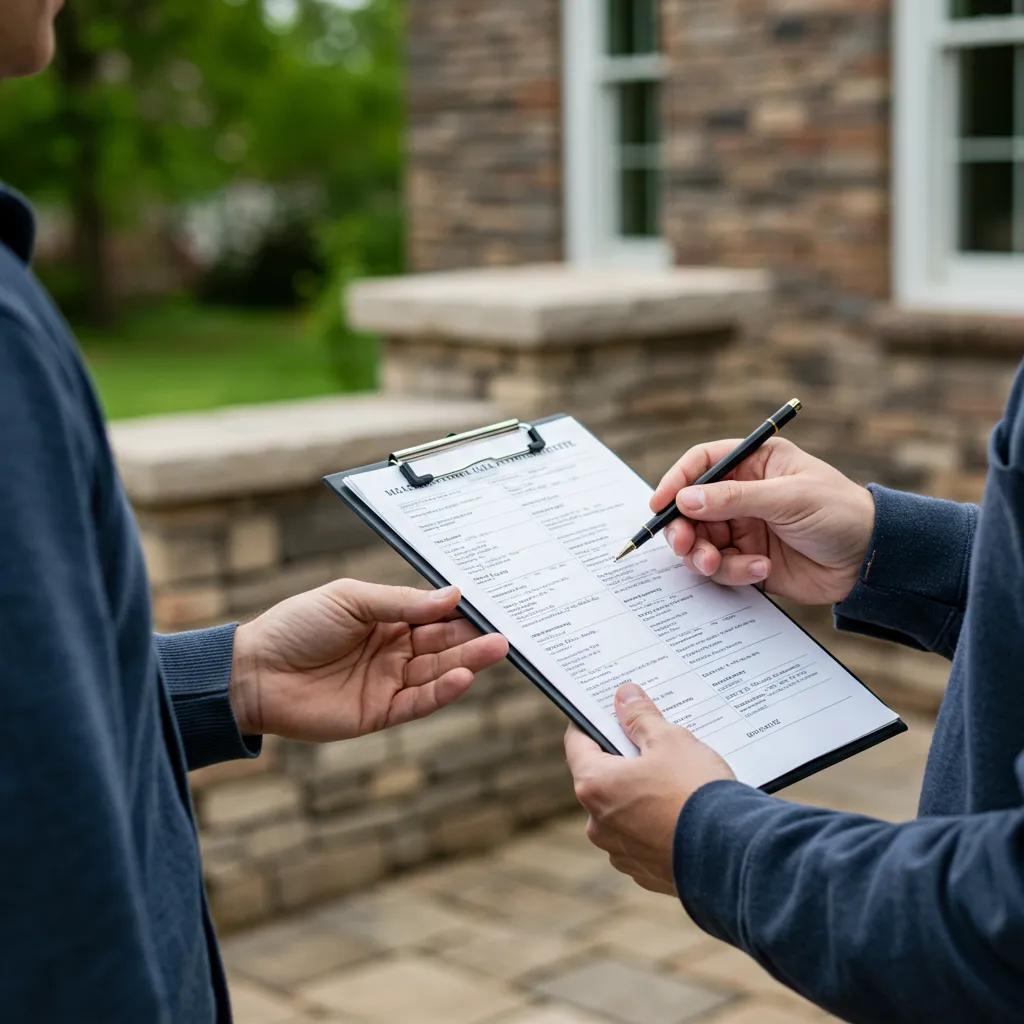
Getting an accurate, low-friction free quote starts with gathering clear photos, noting access constraints, and compiling any known history of past repairs; these items let contractors estimate scope remotely and prepare for focused on-site inspections. A simple three-step process—contact, inspection, estimate—keeps the process efficient and transparent. Below are practical instructions for preparing and what to expect in timelines.
Follow these three steps to obtain a free quote:
- Contact the provider by phone or through their public business listing to request a consultation and explain the issue.
- Provide photos showing close-up details and wider context, note access limitations, and schedule an on-site inspection when needed.
- Receive a written, line-item estimate with recommended priorities, phasing options, and a proposed start window.
Preparing good photos and notes speeds the estimate process and reduces the need for repeat visits, enabling faster scheduling and more accurate cost guidance.
What Is the Process for Scheduling a Consultation with Rox Masonry?
Scheduling typically follows a three-step interaction: initial contact to describe the problem and share photos, an on-site inspection to confirm hidden issues and access needs, and delivery of a written estimate outlining options and timing. Virtual pre-screens using photos can often triage straightforward repairs and shorten on-site time, while more complex or potentially structural cases require full inspection.
Homeowners should expect clear communication about when inspections occur, what will be checked, and whether temporary protections or immediate minor measures are recommended to prevent further damage before work begins.
What Information Should You Prepare for Your Masonry Repair Quote?
Providing the right information improves estimate accuracy: include close-up photos of damaged areas, wider shots showing context and rooflines, notes on when damage was first noticed, prior repair history, and any access constraints such as gates or landscaping. Mention seasonal concerns—like recurring winter leaks—that help diagnose freeze-thaw or drainage causes.
A brief checklist of helpful items speeds quotes and reduces surprises:
- Recent photos
- Property age estimate
- Brief history of past masonry work
- Any visible interior signs of water penetration
These items help contractors recommend effective, affordable options.
How Soon Can Repairs Begin After Approval?
Start times vary by scope: small tuckpointing or localized brick repairs often begin within days to a few weeks, while chimney rebuilds, larger restoration projects, or work requiring special materials or permits can take several weeks to schedule. Seasonal demand, material lead times, and permit processing affect timelines in Mississauga, so documented estimates should include expected start windows and a realistic project schedule.
Contractors that offer phased scheduling can address urgent repairs quickly and defer cosmetic or non-critical work to optimize cost and timing based on homeowner priorities.
Frequently Asked Questions
What Should I Look for When Choosing a Masonry Contractor?
When selecting a masonry contractor, prioritize their experience with local conditions and their ability to provide detailed, line-item estimates. Look for documented examples of previous work, especially in Mississauga, and check references to gauge customer satisfaction. Ensure they have the necessary insurance and warranty coverage. A good contractor should also be transparent about the materials they use and how they plan to address specific issues like freeze-thaw damage. This diligence helps ensure you receive quality work that meets your needs.
How Can I Maintain My Masonry to Prevent Future Damage?
Regular maintenance is key to prolonging the life of your masonry. Schedule annual inspections to check for signs of wear, such as cracks or efflorescence. Clear gutters and downspouts to ensure proper drainage, and address any minor repairs promptly to prevent escalation. Seasonal maintenance, like sealing joints and checking for moisture retention, can significantly reduce the risk of freeze-thaw damage. By being proactive, you can save on costly repairs and maintain the structural integrity of your home.
What Are the Risks of Delaying Masonry Repairs?
Delaying masonry repairs can lead to more severe damage and higher costs over time. Small issues, like hairline cracks or minor spalling, can escalate into significant structural problems if not addressed promptly. Water intrusion can compromise the integrity of your walls and foundation, leading to mold growth and safety hazards. Additionally, visible deterioration can negatively impact your property’s value and curb appeal. Timely repairs not only protect your investment but also ensure the safety and comfort of your home.
Are There Specific Materials Recommended for Mississauga’s Climate?
In Mississauga, it’s crucial to use breathable mortars and weather-resistant materials that can withstand the local freeze-thaw cycles. Mortars should match the original composition of your masonry to ensure compatibility and durability. Additionally, using high-quality sealants can help prevent moisture penetration. When selecting materials, consider those that are designed to handle the specific challenges posed by the region’s climate, such as road salts and humidity, to enhance the longevity of your repairs.
How Do I Prepare for a Masonry Repair Estimate?
To prepare for a masonry repair estimate, gather clear photos of the damaged areas and any visible signs of moisture or deterioration. Note the history of the damage, including when it first appeared and any previous repairs. Be ready to discuss access constraints, such as landscaping or structural features that may affect the work. Providing this information helps contractors assess the situation accurately and deliver a more precise estimate, ensuring a smoother repair process.
What Are the Benefits of Tuckpointing for My Home?
Tuckpointing is a vital maintenance technique that restores the integrity of mortar joints, preventing water ingress and further damage. By removing deteriorated mortar and replacing it with a matched mix, tuckpointing enhances the weather resistance of your masonry without the need for full brick replacement. This process not only improves the appearance of your home but also extends the lifespan of your masonry, making it a cost-effective solution for maintaining structural integrity and preventing costly repairs down the line.
How Do I Know If My Chimney Needs Repair or a Rebuild?
Deciding between repair and rebuild depends on severity: minor crown cracks, localized mortar loss, or small flashing leaks usually permit repair; large structural cracks, significant leaning, widespread mortar failure, or compromised flue liners often require partial or full rebuilds. Safety, code compliance, and flue integrity drive the rebuild decision, so obtain a professional inspection rather than relying on visual judgment alone.
What Is the Difference Between Tuckpointing and Brick Replacement?
Tuckpointing renews mortar joints by removing and replacing deteriorated mortar, restoring joint strength and weather resistance without replacing sound bricks. Brick replacement swaps out damaged masonry units when spalling or cracking has destroyed the brick itself. Choose tuckpointing for joint-driven issues and replacement when the unit integrity is compromised; often both techniques are used together for best results.
Can Masonry Repairs Be Done in All Weather Conditions in Mississauga?
Many masonry tasks prefer frost-free conditions because mortars cure differently at low temperatures; however, some repairs can proceed year-round using winter mortars, heated enclosures, and accelerated curing methods. Contractors experienced in Mississauga adapt techniques for seasonal constraints, but non-urgent restorative work is typically scheduled in warmer months for optimal results and cost efficiency.
Are There Financing Options for Masonry Repairs?
Homeowners commonly use options like home equity, personal lines of credit, or contractor payment plans where offered; availability varies by provider. When urgent repairs are required, discuss phased repairs and payment schedules with contractors to spread cost while addressing the most critical issues first. Always compare total financing costs against urgency and potential risk from deferred maintenance.
This article has outlined how to recognize common masonry problems, understand cost drivers and realistic price ranges, evaluate contractor proposals, and prepare for free quotes in Mississauga. For homeowners ready to get specific guidance, Rox Masonry offers free consultations, transparent estimates, and locally tailored recommendations to help prioritize affordable, long-lasting repairs; contact them by phone at 647-709-2112 or locate their business profile for further details and scheduling.
Conclusion
Affordable masonry repairs in Mississauga not only enhance the structural integrity of your home but also protect its value against the harsh local climate. By understanding common damage types and cost-effective solutions, homeowners can make informed decisions that prevent costly future repairs. Engaging with a trusted contractor like Rox Masonry ensures that repairs are executed with expertise and care. Contact us today for a free consultation and take the first step towards preserving your home’s masonry.