
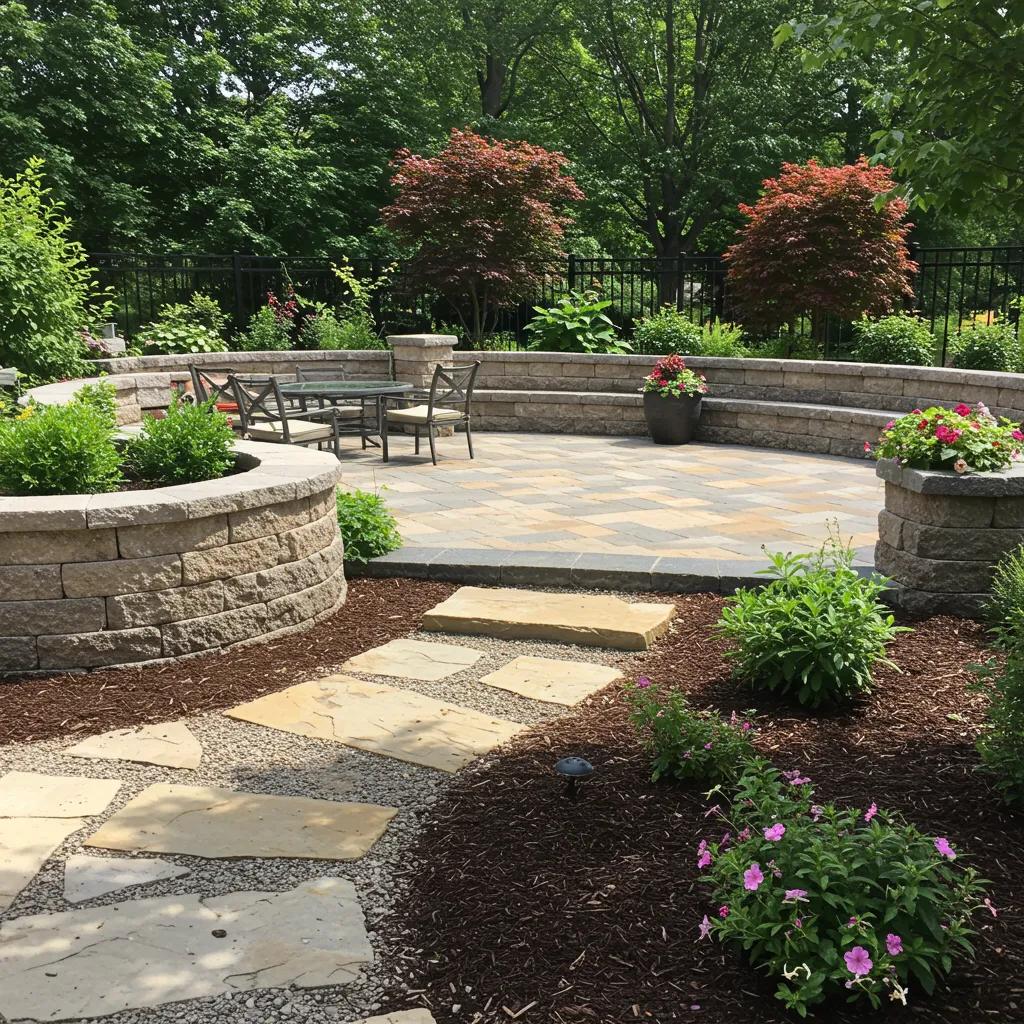
Stone Features Enhance Your Landscaping in Mississauga: Expert Masonry Solutions for Lasting Beauty and Value
Stone features—patios, retaining walls, walkways, and veneers—are permanent landscaping elements crafted from natural or manufactured stone that shape outdoor living space with function and style. They deliver durable surfaces and structural solutions that resist Mississauga’s seasonal freeze-thaw cycles while improving curb appeal and long-term property value. This article explains why stone landscaping in Mississauga makes sense for homeowners and commercial property managers, outlines common stone feature types and installation considerations, and walks through the design-to-completion process you should expect from an expert masonry contractor. You will learn how material choice, base preparation, drainage, and sealing influence lifespan and maintenance needs, compare popular stone options, and review realistic cost drivers and ROI considerations. Along the way, the guide highlights local climate impacts, maintenance schedules tailored to the GTA, and the differences between residential and commercial stone landscaping projects. Practical lists, comparison tables, and clear step-by-step process notes will help you plan a stone project that fits your site, budget, and aesthetic goals.
Why Choose Stone Features for Your Mississauga Landscaping?
Stone features combine structural performance with visual appeal to create long-lasting outdoor environments that handle local weather and add measurable property value. Properly installed stone resists settling and freeze-thaw damage, reduces long-term maintenance compared with wood or softscape, and creates durable hardscape frames for planting and outdoor living.
Stone features offer distinct practical and design advantages:
- Durability and Longevity: Stone endures heavy use and seasonal cycles with minimal deterioration.
- Aesthetic Versatility: Natural texture and colour ranges suit modern or traditional architecture.
- Property Value Uplift: Quality hardscaping improves curb appeal and buyer perception.
- Low Maintenance: Routine sealing and occasional joint repair reduce lifecycle costs.
These benefits stem from material characteristics and correct installation, so understanding technical drivers leads naturally into the specifics of durability and design choices below.
How Do Stone Features Improve Durability and Longevity in Landscaping?
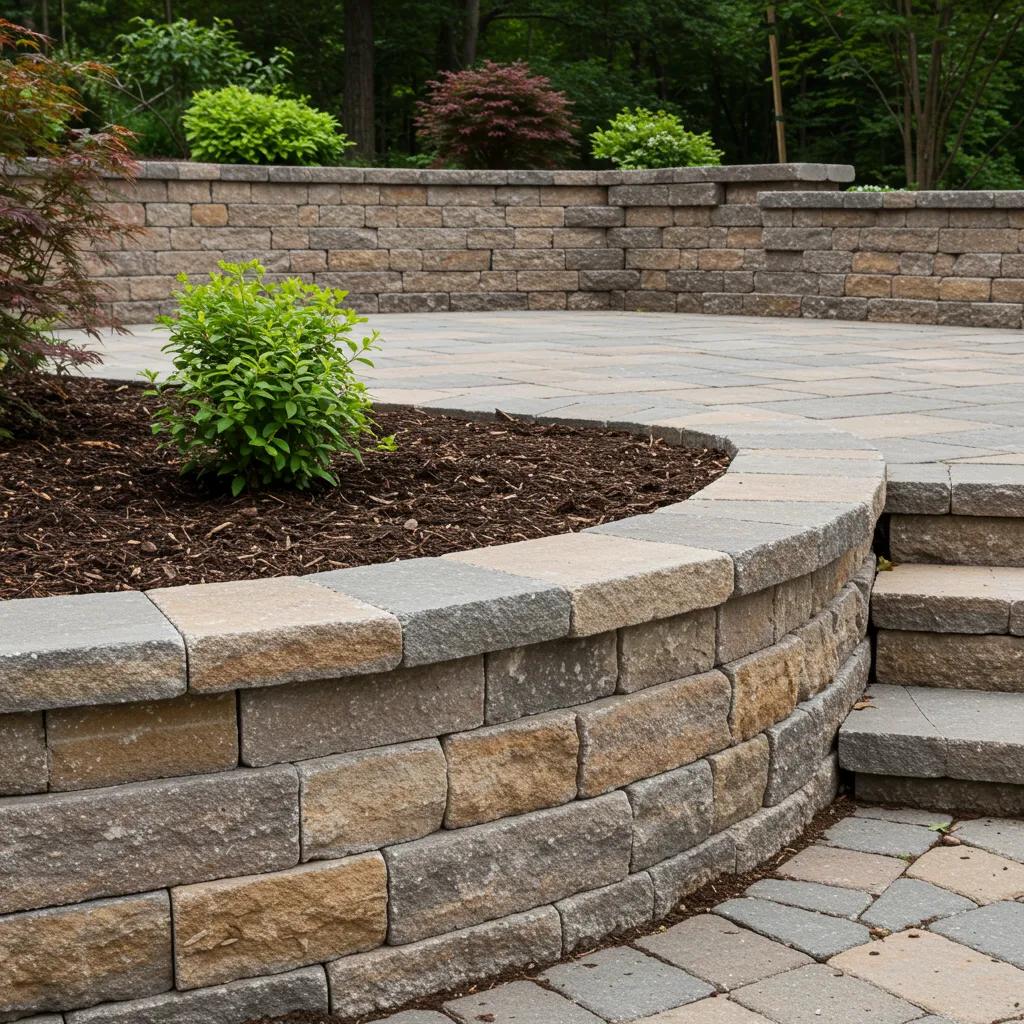
Durability begins with the stone selection and continues through base preparation, drainage, and jointing methods that reduce movement and moisture damage. Dense stones such as granite and properly compacted sub-bases provide high compressive strength and resistance to freeze-thaw cycles common in Mississauga, while engineered installation techniques—geotextiles, crushed stone base, and mechanical compaction—prevent settling. Proper drainage and weep paths divert water away from structural elements, limiting freeze-thaw stresses and salt damage. A practical example is a flagstone patio installed over a 150–200 mm crushed base with edge restraints and permeable jointing; this assembly reduces displacement and extends usable life substantially relative to shallow, unsupported installations. Understanding these construction mechanics helps homeowners prioritize investment in long-lasting solutions.
Durabilité des roches résiduelles de stéatite face aux cycles de gel-dégel dans la réhabilitation arctique
Les processus d’altération environnementale cyclique, tels que les cycles de gel-dégel et de mouillage-séchage, peuvent entraîner la dégradation des roches. Cependant, ces processus ne sont généralement pas pris en compte explicitement lors de la sélection de géomatériaux à grain grossier pour leur utilisation comme matériaux de couverture, même s’ils pourraient être responsables d’une diminution de la performance de la couverture au fil du temps. Cette étude évalue la durabilité d’une unité de roche résiduelle de stéatite non génératrice d’acide potentiellement réactive, en ce qui concerne les cycles de gel-dégel et de mouillage-séchage.
Resistance of a soapstone waste rock to freeze-thaw and wet-dry cycles: implications for use in a reclamation cover in the Canadian Arctic, V Boulanger-Martel, 2021
What Are the Aesthetic Benefits of Natural Stone Features in Mississauga?
Natural stone introduces texture, colour variation, and visual weight that enhance landscaping composition and create intentional focal points on a property. Stone can be dressed for a refined modern patio or left rugged for a rustic garden edge, and mixing stone types—flagstone stepping paths with granite steps and sandstone seating walls—creates layered visual interest. Colour choices coordinate with home facades and planting palettes to reinforce architecture, while surface finishes (tumbled, honed, split) influence slip resistance and maintenance needs. Well-designed stone features also integrate lighting and planting to form memorable outdoor rooms that increase curb appeal and encourage outdoor use. These design options lead directly into measurable property impacts, including resale advantages.
How Does Stone Landscaping Increase Property Value?
High-quality stone landscaping often translates to higher perceived value at sale because buyers associate durable hardscape with lower maintenance and enhanced outdoor living. Recent market trends show professionally designed outdoor spaces contribute meaningfully to first impressions and listing appeal, with thoughtfully executed patios, walkways, and retaining walls improving marketability. Lifecycle cost analysis also shows stone can be more economical over 10–20 years compared with cheaper materials that require replacement. For example, a properly engineered stone retaining wall avoids erosion and costly regrading while boosting usable yard space—an outcome that appeals to buyers and appraisers. Quantifying ROI depends on project scale, but homeowners can expect both tangible use-value and improved resale positioning.
Why Are Stone Features Low Maintenance Solutions for Mississauga Homes?
Stone requires less frequent replacement and simpler upkeep than wood or synthetic structures, with routine tasks focused on cleaning, joint maintenance, and occasional sealing to prevent staining and water ingress. Proper initial installation reduces the need for ongoing corrective work: solid base preparation, correct slope for drainage, and durable jointing materials all limit weed growth and frost heave. Seasonal checks—clearing debris, inspecting joints, and re-sealing high-traffic areas—keep features performing well for decades. Choosing the right stone and sealant for local freeze-thaw exposure further minimizes maintenance intervals. These low-maintenance attributes make stone an efficient long-term landscape investment and prime consideration when planning project costs and schedules.
Generate leads for masonry projects by showcasing expertise and encouraging contact for consultations.
What Types of Stone Features Can Rox Masonry Install in Mississauga?
Stone landscaping covers a wide range of features that solve functional problems while defining aesthetic zones. Common offerings include flagstone and flagstone patios, armour stone and engineered retaining walls, outdoor fireplaces and fire pits, natural stone walkways and steps, garden walls and borders, and stone veneer for facades and columns. Each feature requires different design, material, and engineering choices to perform well in Mississauga’s climate. The table below helps compare typical stone feature types by durability, cost, and maintenance to guide homeowners toward suitable options.
| Stone Feature | Durability | Typical Cost Range | Maintenance |
|---|---|---|---|
| Flagstone Patio | High | Medium–High | Low–Medium (reseal periodically) |
| Armour Stone Retaining Wall | Very High | High | Low (inspect drainage annually) |
| Outdoor Fireplace / Fire Pit | High | Medium–High | Low (mortar/joint checks) |
| Natural Stone Walkway | High | Medium | Low (cleaning, jointing) |
| Stone Garden Wall / Border | Medium–High | Low–Medium | Low (repair mortar as needed) |
| Stone Veneer Cladding | Medium | Low–Medium | Low (inspect for delamination) |
This table highlights trade-offs: higher durability typically aligns with higher initial cost, while maintenance remains modest across options when installed correctly.
How Are Stone Patios Designed and Installed for Outdoor Living Spaces?
Designing a stone patio starts with site assessment—grade, drainage patterns, sun exposure, and desired circulation—then moves to material selection, layout patterns, and structural base design. Installation emphasizes a compacted sub-base, edge restraints, and permeable jointing or mortar depending on desired finish and drainage needs. Sealers and jointing products are chosen based on stone porosity and expected usage, and customization options include integrated steps, seating walls, and utility hookups for kitchens or fire features. Typical timelines vary with complexity but include design, permitting if required, excavation, base installation, stone setting, and finishing touches.
What Are the Benefits of Retaining Walls for Function and Beauty?
Retaining walls control erosion, create level terraces on sloped lots, and provide strong visual structure that defines planting beds and circulation. Structurally, walls must address drainage through footing design, weep holes or behind-wall drainage, and appropriate reinforcement for height and loads. Material choices—armour stone, modular block, or mortared natural stone—affect both look and longevity, and integrating plantings or lighting softens large walls for residential settings. Correctly engineered retaining walls protect soil and landscape investments while adding significant usable space and aesthetic definition.
How Do Outdoor Fireplaces and Fire Pits Enhance Your Backyard?
Outdoor fireplaces and fire pits create gathering focal points that extend seasonal use of outdoor spaces and enhance ambiance for entertaining and family time. Design considerations include fuel type (wood vs. gas), clearances to structures and vegetation, heat management, and local code requirements; materials should tolerate repeated thermal cycling and resist spalling. Placement next to patios or integrated into seating walls connects fire features naturally to hardscape circulation, while durable mortar and proper footing prevent shifting and maintain safety. When combined with appropriate stone choices, fireplaces and pits become major value and lifestyle upgrades.
What Makes Natural Stone Walkways and Steps Ideal for Mississauga Properties?
Natural stone walkways and steps provide slip resistance, visual continuity, and durability for pedestrian routes across yards and between entrances. Material choice—granite for high wear, sandstone for warmer tones, or flagstone for larger stepping surfaces—affects texture and finish; surface treatments and anti-slip jointing improve safety in wet or icy conditions. Proper edge restraint, sub-base compaction, and drainage prevent settling and reduce tripping hazards over time. Walkways also act as low-maintenance connectors that reinforce landscape flow and direct movement through garden spaces.
How Do Stone Garden Walls and Borders Define Outdoor Spaces?
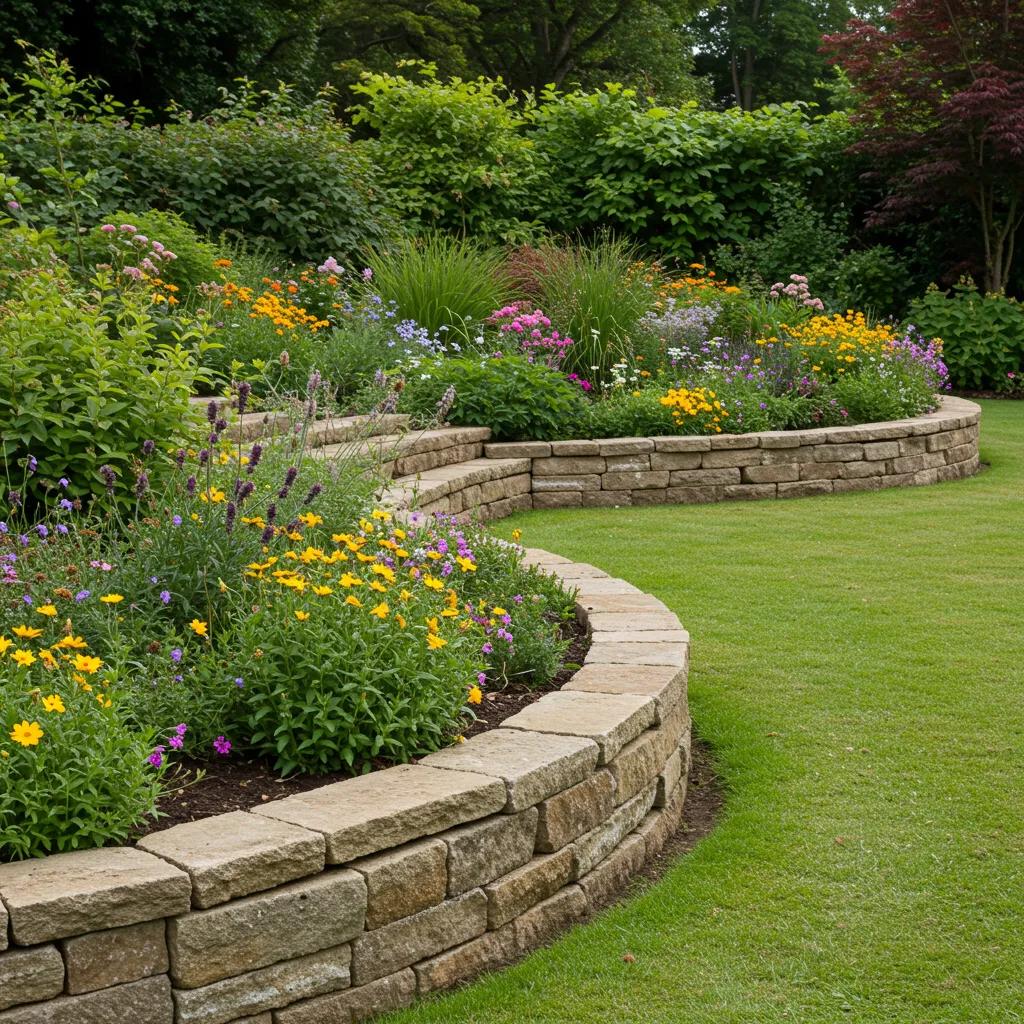
Garden walls and borders use stone to delineate planting areas, create raised beds, and form subtle separations that organize a yard without heavy construction. Construction methods range from dry-stacked walls that emphasize rustic character to mortared walls that offer tighter joints and load-bearing capacity. These features support soil retention for plantings, allow for tiered garden designs, and provide low seating or accent edging that frames landscape compositions. Plant-friendly detailing—soil depth, drainage, and root space—ensures walls contribute to healthy plantings as well as strong design lines.
What Is the Role of Stone Veneer in Exterior Landscaping Enhancements?
Stone veneer delivers the look of full-thickness stone at lower material and installation costs, ideal for cladding columns, short walls, and facades where full masonry would be unnecessary or prohibitively heavy. Veneer systems attach to suitable substrates with proper moisture barriers and flashings; attention to anchoring and mortar bed techniques prevents delamination in freeze-thaw conditions. Veneer is often chosen for aesthetic upgrades where weight and structural load limit full stone use, offering wide colour and texture options that align with larger landscape materials.
How Does Rox Masonry’s Local Expertise Benefit Stone Landscaping Projects in Mississauga?
Local knowledge matters when designing stone landscaping for Mississauga because soil types, microclimates, and freeze-thaw patterns influence material selection and installation details that determine performance. Rox Masonry brings regional experience in local masonry services and hardscaping across the GTA and Mississauga specifically, combining design sensibility with installation standards that account for drainage, de-icing practices, and long-term resilience.
Craftsmanship within local masonry services focuses on precise base preparation, correct jointing, and integration of drainage components to prevent common failures. Skilled teams use quality control checkpoints—compaction testing, alignment verification, and final drainage inspection—to ensure installations meet performance expectations in cold climates. These practices reduce callbacks and extend lifespan, and they illustrate why contractor selection matters as much as material choice. Clear project milestones and communication protocols further support timely completion while protecting workmanship standards and client expectations.
Generate leads for masonry projects by showcasing expertise and encouraging contact for consultations.
What Makes Rox Masonry’s Craftsmanship Stand Out in the GTA Region?
Rox Masonry emphasizes workmanship standards that address structural details often overlooked by conventional approaches, such as reinforced footings for taller walls, specification of frost-resistant units, and careful joint detailing to control moisture migration. Attention to these technical factors improves long-term performance in Mississauga’s climate and ensures stone features remain plumb and secure over years of freeze-thaw cycles. Craftsmanship also includes finish techniques—consistent coursing, tight jointing, and quality sealant application—that elevate aesthetics while contributing to durability. For property owners, these details translate to lower lifecycle costs and a superior finished appearance.
How Does Local Weather Influence Stone Feature Design and Material Selection?
Mississauga’s seasonal temperature swings and winter road salts require stone choices and installation details that prioritize frost resistance and water management. Dense, low-porosity stones and proper sealing reduce absorption and limit freeze-thaw damage, while thoughtful site grading and subsurface drainage prevent standing water that accelerates deterioration. In coastal-adjacent or salt-exposed sites, selecting salt-tolerant materials and specifying protective sealants help preserve surface finishes. Design adaptations such as expansion joints, impermeable membranes behind veneers, and well-drained backfill reduce stress from seasonal cycles and extend service life.
How Does Rox Masonry Ensure Timely Project Completion Without Compromising Quality?
Effective project management combines realistic timelines, weather contingencies, staged permitting where applicable, and quality checkpoints at critical build phases. Rox Masonry uses scheduling that sequences excavation, base work, stone setting, and finishing inspections to minimize rework and align trades efficiently. Communication with clients about milestones, expected disruptions, and completion criteria keeps projects on track while maintaining workmanship standards. Contingency planning for adverse weather and material lead times further reduces the risk of delays without sacrificing construction quality.
What Do Mississauga Customers Say About Rox Masonry’s Stone Landscaping Services?
Local customer feedback commonly highlights workmanship, responsiveness, and the practical longevity of installed stone features when professionals account for regional climate drivers. Clients tend to note distinctions between quick fixes and durable builds, with preference for solutions that reduce maintenance and preserve exterior aesthetics. Viewing project portfolios and prior installations provides useful context for expected outcomes and quality standards. For prospective clients, confirmation of local project results and transparent process descriptions help establish trust and align expectations for scope and durability.
What Is the Process for Creating Custom Stone Features with Rox Masonry in Mississauga?
A clear, staged process reduces risk and sets realistic expectations for custom stone work: initial consultation and site assessment, design and material selection, professional installation and inspections, followed by project completion and follow-up. Each phase defines responsibilities and deliverables so clients understand timelines, costs, and maintenance requirements. This section outlines what to expect in each stage and the information clients should prepare before a site meeting to accelerate accurate estimates and effective design decisions.
How Does the Initial Consultation Help Define Your Stone Landscaping Vision?
During an initial consultation, a contractor evaluates site conditions, discusses design preferences, reviews functional requirements, and gathers measurements and photos to inform a preliminary concept. Clients should prepare reference images, rough budget ranges, and any topographic or utility constraints to speed assessment and refine feasible options. The contractor identifies key considerations—grading, drainage, access, and potential permits—and provides a preliminary timeline and scope outline. A well-structured consultation converts client ideas into actionable design briefs that guide accurate quoting and material selection.
What Are the Key Considerations in Stone Material Selection?
Material selection balances durability, aesthetics, availability, and budget while accounting for climate resilience and maintenance expectations. Decision factors include stone density and porosity, colour and texture compatibility with the home, slip resistance for pedestrian areas, and expected lifecycle costs versus upfront price. Local sourcing and environmental impact also influence choices, as some natural stones weather differently in the GTA. A decision matrix comparing candidate materials across these attributes clarifies trade-offs and supports selections that align with performance goals and design intent.
How Is Professional Installation Conducted for Stone Patios, Walls, and Fireplaces?
Professional installation follows a sequence: site preparation and excavation, sub-base compaction, edge restraint installation, accurate stone setting, jointing and sealing, then final grading and drainage checks. Safety and equipment staging are coordinated to protect existing landscaping and structures, while inspection checkpoints verify compaction, alignment, and drainage before final sign-off. Proper sequencing reduces surface movement and future repairs, and experienced crews adapt techniques—mortared vs. dry-stacked, permeable jointing vs. bound mortar—based on the project’s functional priorities and site conditions.
What Happens During Project Completion and Follow-Up?
At completion, the contractor conducts a final walk-through to address punch-list items, demonstrate maintenance tasks, and provide documentation on warranties and recommended inspection schedules. Deliverables commonly include care instructions, sealing recommendations, and timing for first seasonal inspections. Post-completion follow-up schedules ensure early detection of settling or joint deterioration so minor adjustments can be made before they become larger repairs. Clear handover practices protect owner investment and support long-term feature performance.
Generate leads for masonry projects by showcasing expertise and encouraging contact for consultations.
How Much Does Stone Landscaping Cost in Mississauga and What Is the Investment Value?
Cost for stone landscaping in Mississauga depends on material selection, site complexity, site access, drainage, and any structural engineering for taller walls or specialized features. Typical price drivers include the stone type (granite and armour stone cost more than sandstone or veneer), labour intensity for precise fitting, excavation and base preparation, drainage solutions, and finishing details such as integrated lighting or seating. Below is a focused cost-driver table that clarifies which elements most influence budgets and helps property owners anticipate where costs concentrate.
| Project Component | Cost Driver | Typical Considerations |
|---|---|---|
| Materials | Stone type & finish | Dense granites and armour stone increase material cost |
| Labour | Complexity & skill | Irregular flagstone patterns and mortared work increase time |
| Site Prep | Excavation & drainage | Poor soils or steep grades raise base work costs |
| Engineering/Permits | Structural needs | High retaining walls or built fireplaces may need engineering |
This breakdown shows where budgets are allocated and highlights that investments in base and drainage often reduce future repair costs and offer better lifecycle value.
What Factors Influence the Cost of Stone Patios and Retaining Walls?
Major factors include material choice, the amount of excavation and base preparation required, drainage and waterproofing needs, site accessibility, and any required structural design. Labour rates reflect the skill needed for cut stone and mortared assemblies, and irregular patterns or custom features increase hours. Permitting or engineering costs apply to taller or load-bearing walls. Bundling features—patio with integrated seating or steps—can improve cost efficiency through shared excavation and materials. Assessing these factors early helps create realistic budgets and avoids scope creep during construction.
How Does Investing in Stone Features Provide Long-Term Value?
Stone’s lower replacement frequency and resilience to heavy use translate into reduced lifecycle costs compared with softer materials that may require periodic replacement. Additionally, well-executed stone hardscaping enhances curb appeal and outdoor livability—attributes that influence buyer perception and sale readiness. The long-term value also includes reduced maintenance labour and materials over decades; investing more in base work and drainage yields fewer repairs and higher retained value. For owners planning phased improvements, prioritizing structural hardscape elements first often provides the greatest long-term returns.
Are There Financing or Consultation Options Available for Stone Landscaping Projects?
Many property owners benefit from phased project approaches or staged consultations to align projects with budget timing and priorities, and reputable contractors commonly offer free initial consultations and tailored estimates to scope cost accurately. For larger commercial or multi-phase residential projects, staged implementation spreads capital costs while delivering usable improvements early in the schedule. Generate leads for masonry projects by showcasing expertise and encouraging contact for consultations.
How Can You Maintain and Care for Stone Features in Mississauga Landscapes?
Proper maintenance keeps stone features performing and looking their best with predictable, low-effort routines that prevent staining, efflorescence, and freeze-thaw damage. Regular cleaning, periodic sealing, seasonal inspection for joint integrity, and timely small repairs preserve structural integrity and appearance. This section provides practical maintenance best practices and a recommended frequency table so owners know when to inspect, clean, and reseal common stone elements in the GTA climate.
| Maintenance Task | Purpose | Recommended Frequency |
|---|---|---|
| Cleaning (gentle wash) | Remove dirt, organic matter | Annually in spring |
| Sealing | Prevent staining and reduce water ingress | Every 2–5 years depending on stone |
| Joint inspection & repointing | Prevent weed growth and water penetration | Every 1–3 years |
| Drainage check | Ensure runoff and weep systems function | Annually before freeze season |
This schedule balances practicality with protection, showing that modest recurring upkeep prevents larger, costlier repairs later.
What Are the Best Practices for Cleaning and Preserving Natural Stone?
Use pH-neutral cleaners and low-pressure washing to remove grime and organic growth while avoiding surface damage and mortar erosion. Avoid harsh acids and high-pressure settings that can pit or erode certain stones; instead, use soft bristle brushes, surface rinsing, and manufacturer-recommended sealants. When removing stains, test methods on an inconspicuous area and use stone-specific poultices where necessary. Regular gentle cleaning prevents grit accumulation that can abrade finishes and makes sealing more effective by ensuring pads and sealers bond to clean surfaces.
How Often Should Stone Features Be Inspected and Repaired?
Seasonal inspections—ideally in spring and fall—catch early signs of joint failure, settlement, or drainage problems before freeze cycles exacerbate damage. Inspect joints, step risers, cap stones, and behind-wall drainage lookouts for signs of movement or efflorescence, and address minor repointing or re-leveling promptly. Prompt small repairs prevent escalation into larger excavation and rebuilding, making inspection cadence a cost-effective risk management habit. Call a professional if you notice widespread settling, bulging walls, or persistent drainage pooling.
What Are Common Issues in Stone Landscaping and How Can They Be Prevented?
Frequent issues include settlement due to inadequate base, efflorescence from trapped moisture, and freeze-thaw cracking in porous stones. Prevention focuses on correct initial construction: engineered base layers, adequate compaction, breathable membranes where appropriate, and reliable drainage. Sealing where suitable and selecting frost-resistant stone types mitigate moisture ingress and surface deterioration. Proactive design choices—such as controlled slopes away from structures and protected downspout discharge points—reduce stressors that cause common failures.
How Do Commercial and Residential Stone Landscaping Projects Differ in Mississauga?
Commercial projects require heavier-duty specifications, compliance checks, and maintenance agreements that differ from residential expectations; they prioritize durability, accessibility, and long-term serviceability. Residential projects often focus more on aesthetic customization and comfort features for daily use, while commercial installations emphasize load capacities, ADA access, and streamlined maintenance. Understanding these differences helps property managers and homeowners commission the right design and warranty scope for their needs.
What Stone Features Are Most Popular for Residential Properties?
Residential sites commonly feature patios, intimate fireplaces or fire pits, walkways, decorative garden walls, and modest retaining walls that create usable terraced yards. Homeowners prioritize comfortable outdoor living spaces that balance maintenance with appearance, often choosing flagstone or blended materials for patios and stepping paths. Budget tiers span simple walkways to elaborate outdoor rooms with integrated kitchens and seating; prioritizing structural components like proper base and drainage delivers the best long-term value.
How Does Rox Masonry Address Commercial Stone Landscaping Needs?
For commercial clients, Rox Masonry adapts material selection and construction specifications to meet higher traffic loads, longevity expectations, and coordination with facility managers. Commercial projects often require heavier bases, engineered retaining systems, and scheduled maintenance plans to preserve asset value and functionality. Clear documentation of specifications, warranties, and maintenance regimes supports facility planning and reduces lifecycle costs associated with high-use environments.
What Are the Benefits of Stone Landscaping for Property Managers and Commercial Owners?
Stone reduces lifecycle maintenance demands, improves tenant and visitor experience, and enhances asset value with durable surfaces that withstand heavy use. For property managers, predictable inspection schedules, modular repair approaches, and the ability to phase upgrades reduce operational disruption and budget volatility. Scalable stone solutions—from durable walkways to structural retaining systems—offer long-term performance that aligns with commercial asset management goals and tenant satisfaction metrics.
Frequently Asked Questions
What are the environmental benefits of using stone in landscaping?
Using stone in landscaping can have several environmental benefits. Natural stone is a sustainable material that requires minimal processing compared to synthetic alternatives. It is durable and long-lasting, reducing the need for frequent replacements, which in turn minimizes waste. Additionally, stone features can help with soil erosion control and water management, as they can be designed to direct runoff and promote drainage. This contributes to healthier ecosystems in your garden and surrounding areas.
How can I choose the right type of stone for my landscaping project?
Choosing the right type of stone involves considering several factors, including the intended use, aesthetic preferences, and local climate conditions. For high-traffic areas, denser stones like granite are ideal due to their durability. If you prefer a rustic look, flagstone or sandstone may be more suitable. Additionally, consider the stone’s porosity and freeze-thaw resistance, especially in Mississauga’s climate. Consulting with a masonry expert can help you make an informed decision based on your specific needs and design goals.
What is the typical lifespan of stone landscaping features?
The lifespan of stone landscaping features can vary significantly based on the type of stone used, installation quality, and maintenance practices. Generally, well-installed stone features like patios, walls, and walkways can last for decades, often exceeding 30 years with proper care. Natural stones such as granite and limestone are particularly known for their longevity. Regular maintenance, including sealing and joint repairs, can further extend the life of these features, ensuring they remain functional and visually appealing over time.
Are there specific design trends for stone landscaping in Mississauga?
Current design trends for stone landscaping in Mississauga emphasize natural aesthetics and functionality. Popular trends include the use of mixed stone types to create visual interest, incorporating native plants alongside stone features for a cohesive look, and designing outdoor living spaces that blend seamlessly with the home. Fire pits and outdoor kitchens made from stone are also gaining popularity, as they enhance outdoor entertaining. Sustainable practices, such as using locally sourced stone, are increasingly valued by homeowners looking to minimize their environmental impact.
How can I ensure proper drainage when installing stone features?
Proper drainage is crucial for the longevity of stone features. To ensure effective drainage, start with a well-compacted base that allows water to flow away from the structure. Incorporate weep holes or drainage pipes behind retaining walls to prevent water buildup. Additionally, consider using permeable jointing materials that allow water to pass through rather than pooling on the surface. Regularly inspect and maintain drainage systems to ensure they function correctly, especially before the freeze-thaw cycles in Mississauga.
What maintenance tasks should I prioritize for my stone landscaping?
To keep your stone landscaping in optimal condition, prioritize regular cleaning, sealing, and joint maintenance. Cleaning should be done annually to remove dirt and organic matter, while sealing every 2-5 years helps prevent staining and moisture ingress. Inspect joints for wear and repoint as needed to prevent weed growth and water penetration. Additionally, check drainage systems annually to ensure they are functioning properly. These proactive maintenance tasks will help extend the life of your stone features and maintain their appearance.
Conclusion
Incorporating stone features into your landscaping not only enhances the aesthetic appeal of your property but also provides long-lasting durability and low maintenance. These elements are designed to withstand Mississauga’s climate, ensuring that your investment retains its value over time. By choosing the right stone features, you can create a beautiful outdoor space that complements your lifestyle and increases your property’s marketability. Contact us today to explore our expert masonry solutions tailored to your unique landscaping needs.