
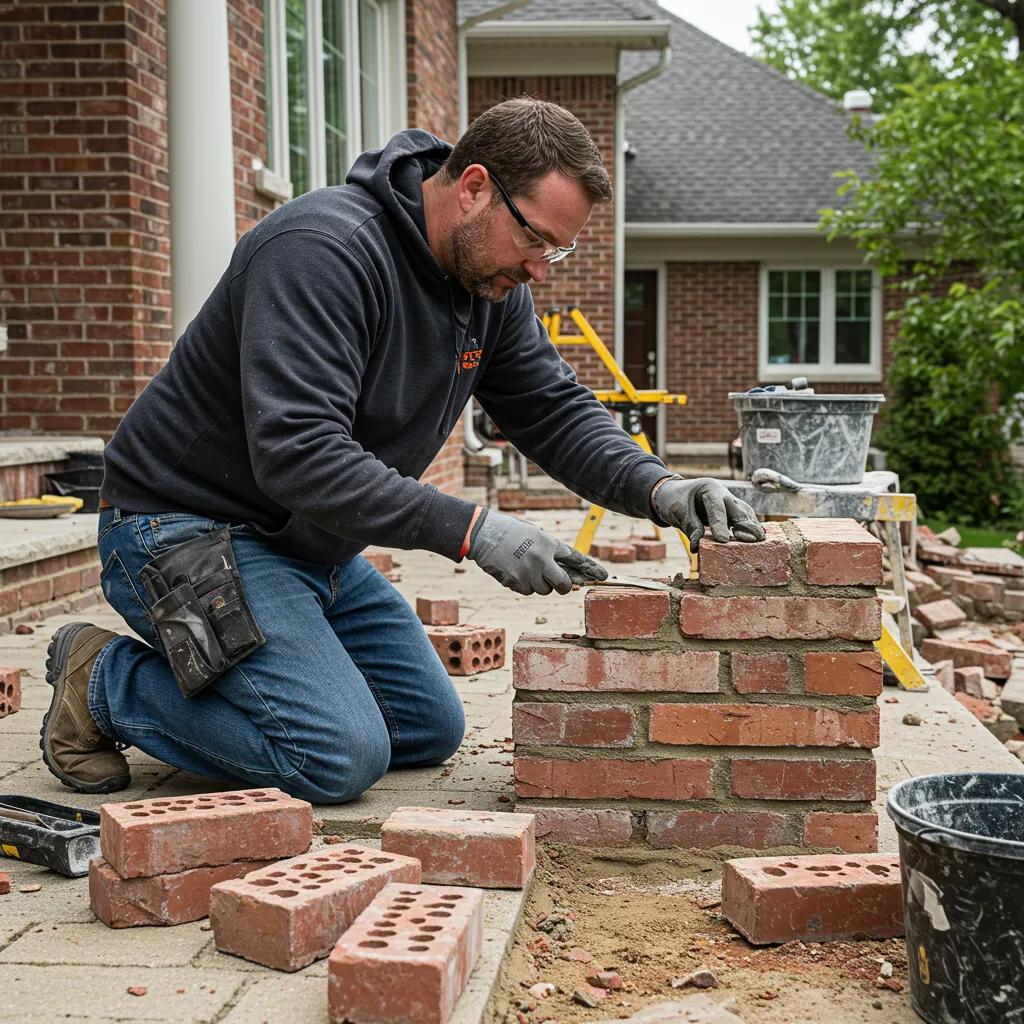
Masonry Restoration Services Mississauga: Why Choose Professional Masonry Contractors
Masonry restoration is the skilled repair and preservation of brick, stone, and mortar that protects a building’s structure, appearance, and long-term value. In Mississauga’s freeze-thaw climate, professional masonry restoration prevents moisture entry, spalling, and mortar loss that accelerate deterioration and create safety risks. This article explains how professional services work, how to spot damage, what restorative methods are used, and why hiring qualified contractors matters for both residential and commercial properties. You will learn clear diagnostic signs, the typical restoration process, service types such as brick repair and tuckpointing, and practical maintenance steps tailored to Mississauga buildings. The content also outlines cost drivers and realistic estimate practices so you can prepare for a consultation. Read on to understand the benefits of professional masonry restoration, how to identify problems early, the services available in Mississauga, and how to prolong masonry life with seasonal care.
What Are the Key Benefits of Professional Masonry Restoration in Mississauga?
Professional masonry restoration protects structural integrity while preserving curb appeal and reducing long-term costs through correct diagnosis and material selection. Skilled contractors stop water infiltration by repointing mortar, matching compatible mixes, and installing proper flashing, which prevents freeze-thaw spalling and progressive failure. Restoration work preserves property value by addressing both visible deterioration and hidden structural risks, improving resale prospects and avoiding inspection red flags. Hiring professionals also ensures compliance with local codes and heritage requirements when applicable, reducing liability and unexpected remedial costs.
Professional restoration provides four primary benefits:
- Protects the building structure by preventing moisture ingress and stabilizing masonry elements.
- Preserves or enhances property value through aesthetic and functional repairs.
- Reduces lifecycle costs by addressing root causes rather than repeating DIY fixes.
- Ensures code compliance and sensitive handling of heritage materials where required.
These benefits lead directly to safer, longer-lasting masonry. Understanding how professionals act to protect structure and value prepares property owners to choose appropriate restoration options and to seek qualified assessments when problems are first noticed.
For Mississauga property owners seeking local expertise, Fix My Brick offers targeted masonry restoration that delivers these outcomes. (fixmybrick.ca) Their team focuses on matching mortar, preserving exterior aesthetics, and completing projects on schedule, and they invite homeowners and property managers to request a free on-site consultation to confirm needs and next steps.
How Does Professional Restoration Protect Structural Integrity?
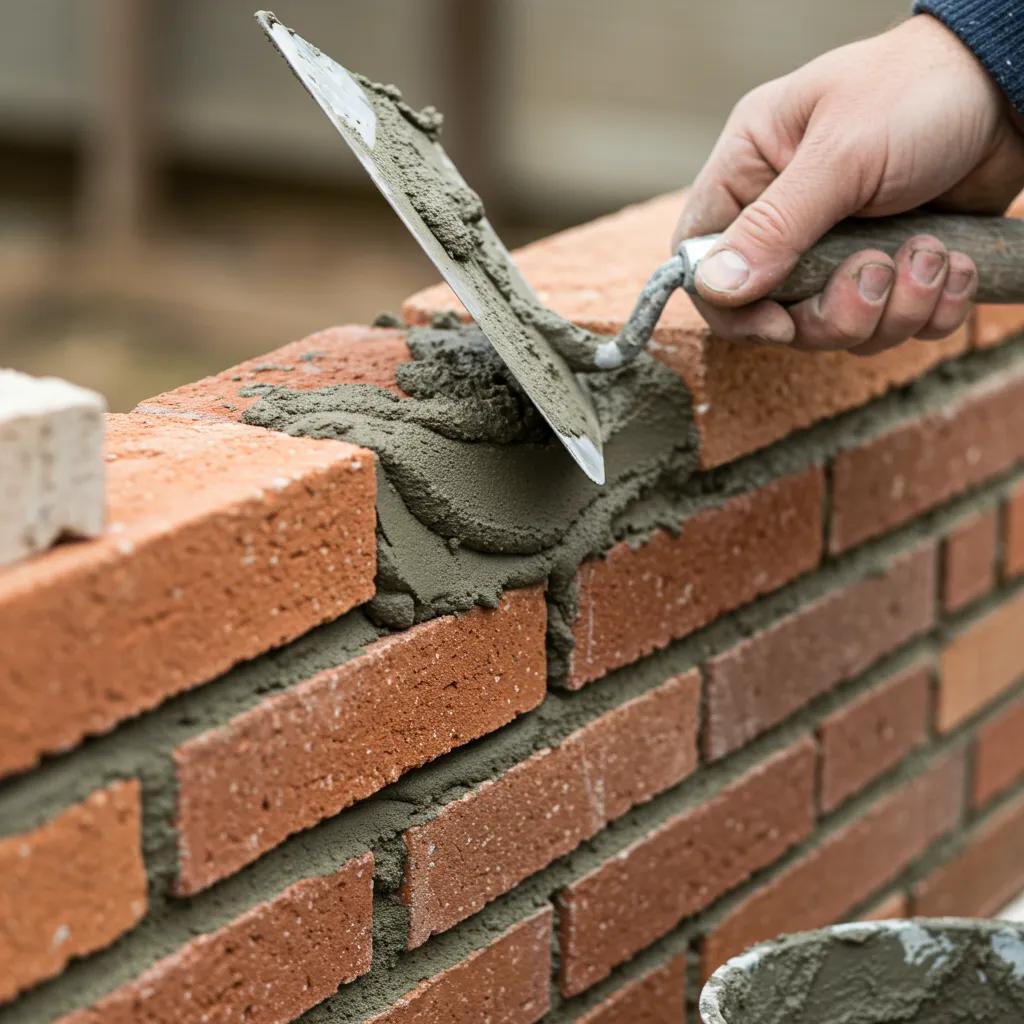
Professional restoration protects structural integrity by diagnosing moisture sources, selecting compatible mortar, and restoring joints and flashing to stop water pathways. Technicians evaluate spalling, cracking, and bond failures, then apply repointing, brick replacement, or structural anchors as needed to re-establish load transfer and weather resistance. Correct mortar chemistry prevents accelerated erosion and avoids trapping moisture behind softer or impermeable layers, which can worsen freeze-thaw damage. The result is stabilized masonry that resists further cracking and retains designed load-bearing capacity.
This targeted approach reduces the chance of progressive collapse and extends service life. Recognizing the mechanisms of damage helps owners prioritize repairs and prevent small defects from becoming large, costly interventions.
Évaluation des dommages dus au gel-dégel dans la maçonnerie de briques historiques
L’évaluation des dommages dus au gel-dégel dans les murs de maçonnerie de briques historiques isolés intérieurement, dans un climat changeant, pose des défis potentiels pour le contrôle de l’humidité et le maintien de l’intégrité de la maçonnerie. Les dommages dus au gel-dégel (GD) dans la maçonnerie constituent une préoccupation importante, particulièrement dans les régions où les températures fluctuent.
Why Is Expert Masonry Repair Essential for Property Value?
Expert repairs maintain facade continuity and reduce inspection or appraisal concerns that lower market value. Appearance matters for buyer perception, but correct structural remediation also prevents inspection contingency issues related to water damage or unstable chimneys. Professional matching of brick, stone, and mortar keeps the exterior cohesive while ensuring the repair will last rather than fail prematurely. Long-term value is preserved when repairs address root causes and follow accepted preservation practices.
Appreciating the interplay between aesthetics and structural soundness makes it clear why cosmetic fixes alone may not protect value. Effective restoration balances visual matching with durable techniques to support saleability and insurability.
What Long-Term Advantages Do Professionals Provide Over DIY Repairs?
Professionals deliver durable results through correct material selection, experienced workmanship, and warranty-backed follow-up, while common DIY approaches often use the wrong mortar or improper joint profiles. Incorrect repairs can trap moisture, cause accelerated spalling, and require repeating work within a few seasons. Contractors use diagnostic tools, proven mixes, and installation methods like raking, cleaning, and repointing to ensure longevity and prevent recurring problems. Warranties and scheduled follow-up inspections further ensure the investment remains effective over time.
Understanding these differences clarifies why a one-time professional intervention typically costs less over the building life cycle than repeated DIY patches and emergency repairs.
How to Identify When Your Masonry Needs Restoration in Mississauga?
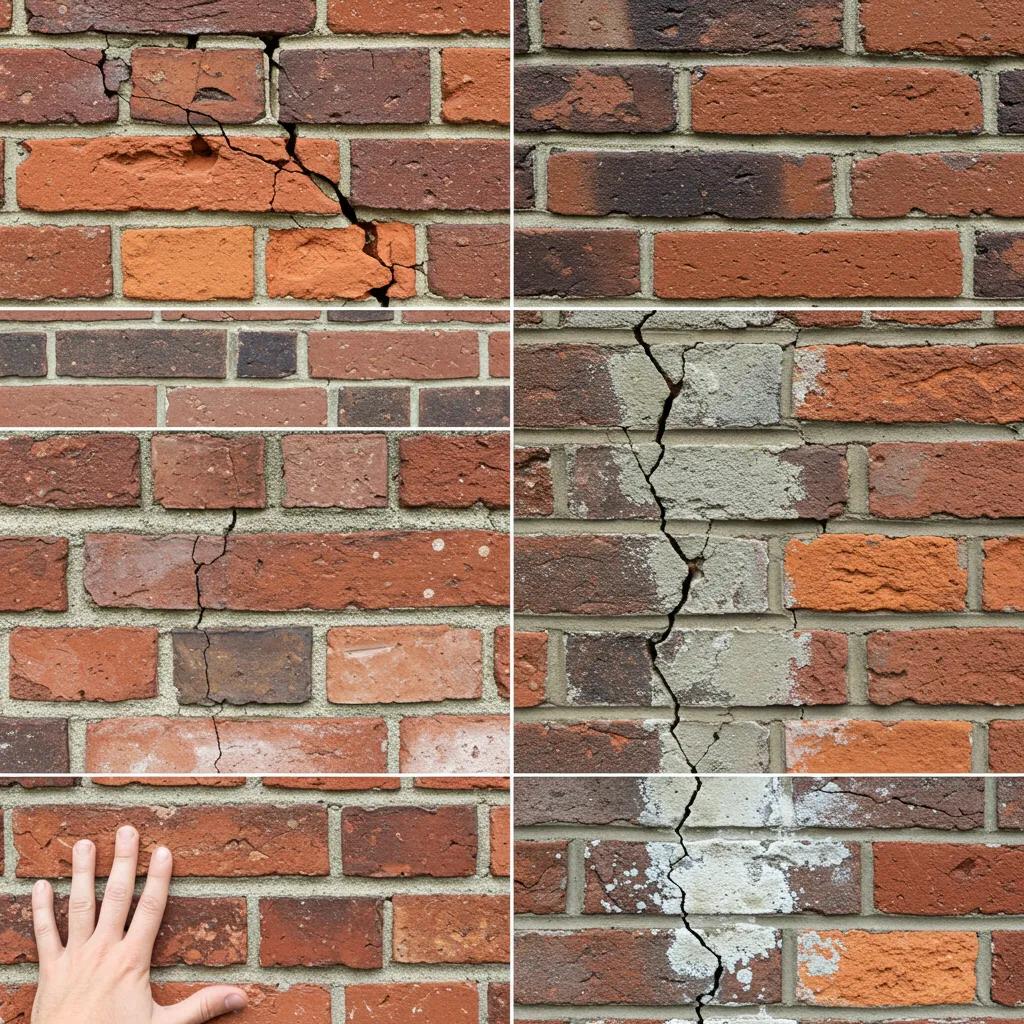
Recognizing early signs of masonry failure allows timely intervention and prevents larger structural or water-related damage. Visible indicators such as vertical or stair-step cracks, spalling bricks, loose units, and salt staining (efflorescence) point to moisture penetration or failing mortar joints. Functional signs like interior damp spots, drafts around masonry openings, or flue performance issues with fireplaces suggest active water or structural problems that require inspection. Early identification reduces repair scope, cost, and downtime.
Common warning signs include:
- Visible cracking, crumbling mortar, and displaced bricks that suggest joint or support failure.
- Surface deterioration such as spalling, flaking, or powdering that indicates freeze-thaw or moisture damage.
- Staining and white deposits (efflorescence) that reveal ongoing water movement through masonry.
Spotting these problems early leads to targeted assessment rather than emergency rebuilds. The next section explains the common signs in greater detail so homeowners can triage damage before contacting a professional.
What Are the Common Signs of Brick and Stone Damage?
Common signs of brick and stone damage include hairline and structural cracks, bulging or leaning walls, loose or missing units, and surface flaking or spalling that exposes inner masonry. Vertical hairline cracks may be cosmetic, but stair-step or horizontal cracks near lintels often indicate settlement or lateral movement that requires prompt assessment. Spalling reveals internal freeze-thaw distress where surface layers detach and leave uneven faces. Noting progression over several months helps determine urgency and whether temporary monitoring or immediate repair is needed.
Being able to differentiate cosmetic from structural cracks enables appropriate next steps. When in doubt, document the condition with photos and schedule a professional inspection to avoid underestimating a developing structural issue.
Impact des changements climatiques sur les dommages dus au gel-dégel dans la maçonnerie isolée
Pour atténuer les effets des changements climatiques, le Code national de l’énergie pour les bâtiments impose des niveaux d’isolation plus élevés dans les bâtiments. Cependant, l’augmentation des niveaux d’isolation dans l’enveloppe du bâtiment peut entraîner un risque accru de problèmes d’humidité. Avec un climat changeant, on s’attend à une intensité de précipitations plus élevée, des vents plus forts et davantage de tempêtes, ce qui pourrait augmenter les charges de pluie induites par le vent sur les façades et les risques de dommages par pénétration de pluie dans l’enveloppe des bâtiments. Cet article vise à présenter les résultats des effets des changements climatiques sur le risque de dommages dus au gel-dégel des murs en maçonnerie de briques isolés intérieurement dans des bâtiments de différentes villes canadiennes, en utilisant différents modèles de gel-dégel.
How Can You Detect Mortar Deterioration and When to Call Experts?
Mortar deterioration shows as recessed joints, crumbling, or a soft surface you can rub away with a fingernail; these are clear triggers to consult a professional. A simple scratch test—gently scraping mortar to see if it flakes easily—helps homeowners detect advanced erosion. When mortar loss affects more than a small percentage of a wall or when joints have significant depth loss, repointing is typically required to restore weatherproofing and bond. Delay increases the risk of loose bricks and water infiltration that escalate repair scope.
If mortar is rubbing out or mortar thickness is reduced substantially, arrange for a qualified assessment to prioritize repointing and material matching before further damage occurs.
What Are the Warning Signs of Chimney Damage Requiring Repair?
Chimney-specific warning signs include leaning stacks, cracked flue tiles, deteriorated crowns, loose or missing bricks, and water stains inside the chimney or fireplace. Structural movement or gaps at flashing are urgent because they allow water entry and risk flue instability, creosote accumulation, or smoke backflow. Visible mortar loss on the crown or near the chimney cap indicates weather-related erosion that can permit freeze-thaw damage. Safety risks such as smoke spillage, unusual odors, or visible leaning require immediate professional evaluation and may necessitate relining or partial rebuild.
Recognizing chimney warning signs and stopping use when safety is compromised prevents fire and carbon-monoxide risks and protects the home until repairs can be completed.
What Comprehensive Masonry Restoration Services Does Fix My Brick Offer in Mississauga?
Fix My Brick provides a full suite of restoration services tailored to Mississauga properties, including brick and stone repair, tuckpointing, chimney repair and rebuilds, fireplace repairs, and commercial facade restoration. (fixmybrick.ca) Each service begins with a thorough diagnostic inspection to identify moisture sources and structural issues, followed by material-matching, controlled removal, and precise installation to restore both appearance and performance. For property managers, Fix My Brick offers scheduled maintenance planning and responsive multi-site coordination to minimize tenant disruption. Homeowners and managers can request a quote for any listed service to receive an on-site assessment and tailored scope.
| Service | Key Steps | Benefit / Outcome |
|---|---|---|
| Brick & stone repair | Inspection, selective replacement, colour/texture matching, cleaning | Restores facade integrity and appearance |
| Tuckpointing / repointing | Raking joints, mortar analysis, repointing with compatible mix | Seals joints, prevents water ingress, extends masonry life |
| Chimney repair & rebuild | Crown repair, flue relining, flashing repair, partial/full rebuild | Enhances safety and draft performance |
| Stone masonry restoration | Conservation mortar matching, stabilization, sensitive cleaning | Preserves heritage fabric and aesthetics |
| Commercial facade restoration | Scaffolding, phased repairs, SLA-based maintenance | Minimizes downtime and protects asset value |
This service menu clarifies what each restoration entails and the direct homeowner or manager benefit. To get a precise quote for a specific service, homeowners and property managers should request a free on-site assessment so the scope and costs can be accurately determined.
How Does Professional Brick Repair Restore Your Home’s Appearance?
Professional brick repair replaces damaged units with carefully selected matches and uses compatible mortar to re-establish bond and visual continuity. Technicians remove deteriorated bricks with minimal disturbance, source or cut replacement units when possible, and finish with gentle cleaning and sealing where appropriate. Colour, texture, and mortar profile are considered to blend repairs into the existing facade and avoid patchy appearances. The final outcome is a stable wall that looks cohesive and resists further moisture-related damage.
A well-executed brick repair improves curb appeal and eliminates moisture paths that cause recurring deterioration, making it a durable investment for outward-facing walls.
What Is Tuckpointing and Why Is It Crucial for Masonry Longevity?
Tuckpointing, often used interchangeably with repointing, restores joints by removing failed mortar and installing new mortar that matches hardness and permeability. Proper mortar matching prevents dissimilar material interactions that trap moisture or erode softer units, and profile restoration protects joint shoulders from weathering. Correct tuckpointing seals pathways for water and reduces the risk of freeze-thaw cycling that causes spalling. Lifespan improvements from quality repointing commonly extend decades when executed with compatible mixes and skilled technique.
Understanding the difference between cosmetic touch-ups and full repointing helps owners choose the right intervention to secure long-term durability.
Restauration et conservation des maçonneries traditionnelles
La restauration et la conservation des éléments en bois et en maçonnerie des bâtiments traditionnels, y compris les matériaux, s’avèrent souvent nécessaires, mais devraient toujours faire l’objet d’une évaluation et d’une intervention professionnelles. Cet aperçu couvre les découvertes récentes dans le domaine de la restauration et de la conservation des matériaux de construction traditionnels.
How Do Chimney Repair and Rebuild Services Enhance Safety?
Chimney repairs address critical safety elements such as flue integrity, crown stability, and flashing connections to prevent water entry, smoke backflow, and fire hazards. Flue relining restores draft performance and reduces chances of creosote-related fires, while crown repair prevents deterioration of the top that accelerates water damage. In cases where repeated repairs fail, a controlled rebuild ensures the stack meets safety standards and performs reliably. Safety-first inspections determine whether targeted repairs or a rebuild is the most cost-effective path.
Addressing chimney issues quickly protects occupants from carbon-monoxide and fire risks and preserves interior finishes from water and smoke damage.
What Are the Benefits of Stone Masonry Restoration for Heritage Properties?
Stone restoration for heritage properties focuses on conserving original materials using mortars and techniques sympathetic to the historic fabric to maintain appearance and compliance with preservation standards. Specialists perform mortar analysis and sourcing or custom-make compatible mixes that match porosity and colour, avoiding modern mortars that can be too hard and damage original stone. Sensitive cleaning and consolidation methods remove biological growth and stabilise surfaces without abrasive damage. This conservation approach preserves authenticity while ensuring durability and regulatory compatibility.
Heritage-sensitive restoration balances material longevity with visual authenticity, an important distinction for protected or character homes in Mississauga.
How Does Commercial Masonry Restoration Support Property Managers?
Commercial masonry restoration offers scheduled maintenance plans, phased repair programs, and rapid-response windows to reduce tenant disruption and protect asset value. Service agreements can include regular inspections, prioritized scheduling, and consolidated invoicing for multi-site portfolios to simplify administration. During large projects, phased scaffolding and night or weekend work reduce occupancy impacts while preserving safety and compliance. These approaches help property managers budget predictable maintenance and respond quickly to urgent defects.
Property managers benefit from proactive planning and Service Level Agreement-style responsiveness that keeps facades sound and liabilities low.
Why Choose Fix My Brick as Your Trusted Masonry Contractor in Mississauga?
Choosing a local specialist matters because Mississauga’s building stock and climate require experienced material selection and scheduling practices. Fix My Brick emphasizes accurate diagnosis, mortar matching, and finish quality that retains exterior aesthetics while strengthening masonry systems. The company positions itself as a local lead generation and information hub that focuses on Mississauga, GTA, and Hamilton projects and offers free on-site consultations to define scope and timelines. Transparent quotes and clear project management help clients understand deliverables and expected outcomes before work begins.
Trust in contractors is built through consistent communication, accurate scopes, and demonstrable results; Fix My Brick supports this with on-site assessments and documented case studies that prospective clients can review before contracting work.
What Local Expertise Does Fix My Brick Bring to Mississauga Projects?
Local expertise includes understanding Mississauga’s freeze-thaw patterns, common brick and stone types, and permitting contexts for heritage or multi-storey properties. This familiarity guides mortar selection, flashing design, and scheduling to avoid winter-related delays and to match local materials. Contractors that know regional failure modes can prioritize interventions that address typical issues such as foundation splash-back, blocked drainage, and roof-to-wall flashings. Local knowledge reduces guesswork and improves repair longevity.
Such expertise shortens the diagnostic phase and helps owners avoid unnecessary or mismatched repairs that compromise durability.
How Does Fix My Brick Ensure Timely and Affordable Masonry Repairs?
Timely and affordable repairs stem from clear scopes, realistic timelines, and reliable material sourcing that prevent change orders and delays. Project management practices include phased work plans, supplier relationships for timely brick and mortar sourcing, and transparent change-order policies that keep budgets predictable. Efficient staging and on-site logistics reduce labour hours and downtime while maintaining quality. Clear estimates and scheduled follow-through help clients plan around disruptions and control costs.
These practices enable projects to proceed smoothly from inspection to completion, minimizing surprises and keeping repairs on budget.
What Customer Satisfaction Guarantees Does Fix My Brick Provide?
Fix My Brick emphasizes follow-up inspections and corrective action procedures to ensure work meets agreed standards and client expectations. After completion, the team conducts client walkthroughs and documents warranties or maintenance recommendations to support longevity. Responsiveness to punch-list items and post-project queries preserves client trust and reduces the risk of unresolved defects. Clear warranty communication provides homeowners and managers with assurance on repair durability and performance.
A transparent post-completion process reassures clients that issues will be addressed and that the restoration investment is protected.
How Does Fix My Brick Customize Solutions for Residential and Commercial Clients?
Solutions differ by project scale and client needs: residential work often prioritizes visual matching and limited scaffolding, whereas commercial projects emphasize phasing, SLAs, and multi-site coordination. For heritage homes, customized mortars and conservation techniques are used; for multi-storey commercial facades, safety planning and staged access minimize tenant impact. Fix My Brick tailors scopes, timelines, and material sourcing to each client while offering maintenance plans to keep assets in good condition over time.
Customized planning balances aesthetics, cost, and access constraints to deliver durable, client-focused restoration outcomes.
What Is the Typical Masonry Restoration Process with Professionals in Mississauga?
A typical professional restoration follows a clear five-step flow: inspection, scope development, permitting if required, restoration execution, and follow-up with maintenance recommendations. The inspection identifies moisture sources, structural defects, and material needs, and the scope documents work, timelines, and cost estimates. When permits or heritage approvals are required, professionals handle submissions and timing. Restoration execution uses matched materials and quality control checks, and final follow-up includes client sign-off and recommended maintenance schedules. This predictable process reduces uncertainty and aligns expectations from the first visit through completion.
Providing a transparent process helps owners prepare documentation and decisions that speed project approval and execution, leading to efficient, high-quality outcomes.
| Process Step | What Happens | Expected Deliverable / Duration |
|---|---|---|
| Initial inspection | Visual and structural checks, moisture testing, photo documentation | Inspection report with photos and preliminary recommendations (1–7 days turnaround) |
| Scope & estimate | Detailed scope, material specs, timeline, and cost estimate | Written proposal and project schedule (typical turnaround 3–7 days) |
| Permitting & prep | Permit submissions if required, scaffolding and site access planning | Approved permits and mobilization plan (timing varies by project) |
| Restoration work | Repointing, replacements, flashing, crown repair, cleaning | Completed repairs with quality control checks (project duration varies) |
| Follow-up & maintenance | Final walkthrough, warranty documentation, maintenance guidance | Client sign-off, maintenance schedule, and post-project support |
Explaining each step clarifies what clients should expect and reduces friction when moving from quote to contract. Next, more detail on initial assessment and materials follows.
How Does the Initial Consultation and Assessment Work?
An initial consultation combines visual inspection, moisture tracing, and photographic documentation to form a clear scope and estimate. Inspectors evaluate joints, check for movement, assess flashing and crowns, and may perform simple probes to judge mortar hardness and depth. Deliverables typically include annotated photos, a written scope of work, recommended repairs, and an estimated timeline and cost. Clear homeowner preparation—such as providing access times and photos of problem areas—helps streamline the assessment and produce a timely quote.
This transparent assessment phase sets expectations and enables accurate budgeting before work begins.
What Materials and Techniques Are Used in Restoration Projects?
Restoration projects use compatible mortar mixes, colour-matched replacement bricks or stones, adequate flashing systems, and appropriate sealants or breathable waterproofing where necessary. Mortar composition is chosen to match historical porosity and strength to avoid creating hard points that accelerate erosion. Techniques include careful raking and cleaning, stepwise repointing, selective unit replacement, flue relining, and installing structural ties or anchors when necessary. Choosing the right materials and methods ensures repairs remain durable under Mississauga’s climate stresses.
Selecting materials based on analysis rather than convenience prevents common failures and enhances long-term performance.
How Is Project Completion and Follow-Up Managed?
Completion includes a formal walkthrough, documentation of completed items, warranty or maintenance notes, and scheduling of any agreed follow-up inspections. The contractor confirms that joints and units meet agreed appearance and structural standards and provides care instructions for the first season after repair. Follow-up inspections ensure that newly repaired areas perform as intended, and maintenance agreements may be offered for periodic checks. This structured close-out provides clients with documentation and confidence that the work meets expectations.
A clear completion routine reduces disputes and keeps restored masonry performing well into the future.
How Much Does Masonry Restoration Cost in Mississauga and What Influences Pricing?
Restoration cost varies by extent of damage, materials, access, and any heritage or permitting requirements, so transparent cost drivers help set expectations prior to an on-site estimate. Typical cost influencers include the square footage of repointing, number of bricks or stones to be replaced, scaffolding needs, site access complexity, waterproofing or structural remediation, and regulatory requirements such as heritage approvals. While precise pricing requires an on-site assessment, understanding these factors helps homeowners and property managers budget realistically. Fix My Brick offers free on-site consultations to establish accurate proposals based on measured scope and specific material needs.
The table below compares common services, cost influencers, and rough guidance for planning purposes.
| Service Type | Typical Cost Influencers | Estimated Range or Notes |
|---|---|---|
| Tuckpointing / Repointing | Area to be repointed, mortar analysis, scaffolding needs | Small patches lower cost; full elevation repointing raises cost substantially |
| Brick replacement | Number of units, matching bricks, unit removal complexity | Limited replacements are cost-effective; large-scale replacement increases labour |
| Chimney repair / rebuild | Flue relining vs rebuild, crown repair, access and scaffolding | Rebuilding entire stack is most expensive; targeted relining cost-effective for safety |
| Stone restoration | Mortar matching, consolidation, conservation techniques | Heritage-sensitive work typically increases cost due to specialised materials |
This EAV-style table clarifies why quotes vary and why on-site assessments are essential. For precise pricing, schedule a professional consultation that includes a documented scope.
What Factors Affect the Cost of Brick and Stone Repair?
Key cost factors include the extent of mortar loss, number of units needing replacement, scaffolding and access, required structural ties, and any special material sourcing such as heritage bricks or custom-cut stones. Labour intensity increases when careful dismantling and salvage are required, and additional waterproofing or structural remediation adds to the scope. Small, localized repairs typically cost considerably less than façade-wide repointing or multi-storey reconstruction. Knowing which factors drive cost helps owners prioritize repairs and explore phased approaches that spread expense.
Understanding these drivers prepares clients for realistic proposals and choices between targeted repairs and more comprehensive restoration.
How Do Project Complexity and Property Type Impact Pricing?
Heritage residential projects usually require special mortars and conservation techniques that raise costs, while modern residential or commercial projects may demand scaffolding, traffic management, and extended staging that influence labour and time. Commercial sites often require phased work to limit tenant disruptions, which can increase logistical overhead. Project complexity, such as hidden structural ties or underpinning needs, will also raise costs as specialists and additional materials are required. These distinctions explain why two superficially similar repairs can have distinct price profiles.
A tailored on-site estimate clarifies differences and allows owners to compare phased versus complete approaches.
How Can Fix My Brick Provide Accurate Free Quotes and Consultations?
Fix My Brick’s free on-site consultations start with photographic documentation, moisture checks, and a written scope that outlines materials, timelines, and preliminary pricing to ensure an accurate quote. Homeowners should prepare by photographing affected areas, noting when issues first appeared, and making access available for a thorough inspection. Typical turnaround for a written estimate is provided during the consultation, and the firm outlines what triggers permit needs or specialist sourcing. This transparent preparatory checklist shortens the decision process and helps produce reliable proposals.
Preparing basic documentation and allowing a site visit ensures quotes reflect real conditions rather than assumptions.
What Maintenance Tips Can Help Prolong the Life of Your Masonry in Mississauga?
Proactive maintenance prevents costly restorations by addressing small defects before they escalate. Regular inspections in spring and fall catch mortar deterioration, blocked drainage, damaged flashings, and early signs of efflorescence. Managing water—through correct grading, maintained gutters, and sound flashing—reduces moisture exposure, while avoiding high-pressure washing on older mortar prevents accidental erosion. Scheduled tuckpointing and targeted repairs at the first signs of joint loss maintain weather resistance and reduce long-term costs.
Below are practical maintenance actions to incorporate into seasonal care plans.
- Inspect joints and bricks twice yearly: Check after spring thaw and before winter to identify mortar loss and spalling.
- Maintain drainage and gutters: Ensure downspouts and grading move water away from foundations and walls.
- Service flashings and seals: Inspect roof-to-wall and chimney flashings annually to prevent leaks.
- Avoid aggressive cleaning: Do not use power washing on old mortar; use gentle methods and consult a professional for cleaning.
Regular preventive maintenance keeps masonry performing and reduces the need for emergency interventions. Implementing these simple steps leads into decisions about when to schedule professional tuckpointing or full restoration.
How Often Should You Inspect and Maintain Brick and Stone Surfaces?
Inspect masonry twice a year—spring and fall—to catch freeze-thaw damage after winter and to prepare for winter weather by checking flashings and sealants. A checklist should include looking for recessed or missing mortar, loose bricks, cracks near openings, and signs of water staining or efflorescence. Documenting conditions with photos and dates helps track progression and supports decisions about timing repairs. Prompt minor repairs prevent larger, more costly interventions down the road.
Regular inspections create a predictable maintenance cadence and let owners budget for repairs before emergency conditions arise.
What Are Best Practices for Preventing Water Damage and Efflorescence?
Prevent water damage by ensuring proper site grading, functioning gutters and downspouts, well-installed flashing, and intact mortar joints. Efflorescence signals water movement through masonry; addressing the source—often poor drainage or compromised flashings—resolves the symptom. Avoid impermeable sealants that trap moisture; use breathable solutions when necessary and consult a professional for compatible treatments. Clearing vegetation and preventing splash-back from lawns or garden beds reduces moisture loading on lower courses.
Addressing water pathways at their source is the most effective long-term strategy to prevent salt staining and accelerated masonry decay.
When Should You Schedule Professional Tuckpointing or Repairs?
Schedule professional tuckpointing when mortar joints show significant depth loss, when more than isolated joints exhibit rubbing out, or when water ingress recurs despite surface remedies. Practical triggers include recessed joints greater than the face depth, repeated interior damp patches adjacent to masonry, or wide horizontal cracks signaling structural issues. Acting before seasonal freeze-thaw cycles preserves masonry and reduces total repair costs. Planning tuckpointing during warmer months ensures proper mortar curing and optimal results.
Timely professional intervention prevents small defects from growing into expensive structural repairs and maintains building envelope performance.
For Mississauga homeowners and property managers ready to assess masonry concerns, Fix My Brick invites you to request a free on-site consultation and written estimate. Their local expertise in Mississauga, the GTA, and Hamilton includes documented case studies and a commitment to matching mortar and preserving exterior aesthetics. To arrange an assessment or ask questions, contact Fix My Brick by phone at (905) 807-0404 or check their website for reviews and recent project examples. A timely inspection can reveal simple fixes that prevent costly restoration in the future.
Frequently Asked Questions
What types of masonry materials can be restored?
Professional masonry restoration can address a variety of materials, including brick, stone, and concrete. Each material requires specific techniques and compatible mortars to ensure durability and aesthetic continuity. For instance, brick restoration often involves replacing damaged units and repointing mortar joints, while stone restoration may focus on conservation techniques that preserve the original fabric. Understanding the material type is crucial for selecting the right restoration approach and achieving long-lasting results.
How can I prepare for a masonry restoration consultation?
Preparing for a masonry restoration consultation involves documenting visible issues and providing access to affected areas. Homeowners should take clear photographs of any damage, note when the problems began, and ensure that the contractor can easily access the site. This preparation helps the contractor conduct a thorough inspection and develop an accurate scope of work. Additionally, being ready to discuss any previous repairs or maintenance can provide valuable context for the assessment.
What is the typical timeline for masonry restoration projects?
The timeline for masonry restoration projects can vary significantly based on the extent of damage, the type of work required, and weather conditions. Generally, a small repair may take a few days, while larger projects, such as full façade restorations, can take several weeks. The process typically includes an initial inspection, scope development, permitting, execution, and follow-up. Clear communication with the contractor about expected timelines can help manage client expectations throughout the project.
Are there any seasonal considerations for masonry restoration?
Yes, seasonal considerations play a significant role in masonry restoration. In Mississauga, the freeze-thaw cycle can impact the timing of repairs. It is generally best to schedule restoration work during warmer months to ensure proper curing of materials and to avoid complications from freezing temperatures. Additionally, contractors may need to consider weather forecasts to plan for potential delays. Homeowners should discuss seasonal impacts with their contractor to optimize the timing of their restoration projects.
What maintenance practices can help prevent future masonry issues?
Regular maintenance is key to preventing future masonry issues. Homeowners should conduct biannual inspections to check for signs of damage, such as cracked mortar or spalling bricks. Maintaining proper drainage, ensuring gutters are clear, and addressing any vegetation that may retain moisture against the masonry are also crucial. Additionally, scheduling professional tuckpointing when needed can help maintain the integrity of mortar joints and prevent water infiltration, ultimately extending the life of the masonry.
How do I choose the right masonry contractor for my project?
Choosing the right masonry contractor involves researching local specialists, checking their credentials, and reviewing past project examples. Look for contractors with experience in the specific type of restoration you need, and ensure they are familiar with local building codes and regulations. Reading customer reviews and asking for references can provide insight into their reliability and quality of work. A contractor who offers a detailed consultation and transparent pricing is often a good choice for ensuring a successful restoration project.
Conclusion
Investing in professional masonry restoration in Mississauga not only enhances the structural integrity of your property but also preserves its aesthetic appeal and long-term value. By addressing moisture issues and ensuring compliance with local regulations, skilled contractors help prevent costly repairs down the line. Homeowners and property managers are encouraged to take proactive steps by scheduling a free on-site consultation to assess their masonry needs. Explore how Fix My Brick can support your restoration goals today.