Is Your Brick Chimney Crying Out for Help? A Homeowner’s Guide to Safety
Your brick chimney might be hiding serious issues like structural cracks, water damage, or a concerning tilt, all of which can put your home at risk if ignored. Figuring out when your brick chimney needs immediate attention starts with spotting the critical red flags, understanding what’s causing the damage, and knowing when to bring in the pros. This guide is packed with essential info for homeowners and property managers across the GTA and Hamilton, covering:
- The tell-tale signs of chimney trouble
- The root causes behind chimney damage
- Simple ways you can check your chimney yourself
- The real dangers of putting off chimney repairs
- When it’s time to call in the experts
- Tips for keeping your chimney in top shape
- Answers to your most common chimney questions
Mastering these points will help protect your home’s value, prevent dangerous fires and carbon monoxide leaks, and give you peace of mind with timely solutions.
What Are the Key Signs Your Brick Chimney Needs Urgent Repair?
Spotting the urgent signs means catching chimney problems before they turn into major safety hazards. Things like cracks, stains, or a noticeable lean are clear indicators that the chimney’s integrity is compromised, potentially leading to water leaks, carbon monoxide issues, or even collapse. For instance, tiny cracks in the mortar can quickly lead to bigger problems like spalling, and they need prompt tuckpointing to keep the structure sound and prevent damage inside your home.
How Do Visible Cracks in Bricks or Mortar Joints Indicate Urgent Repair?
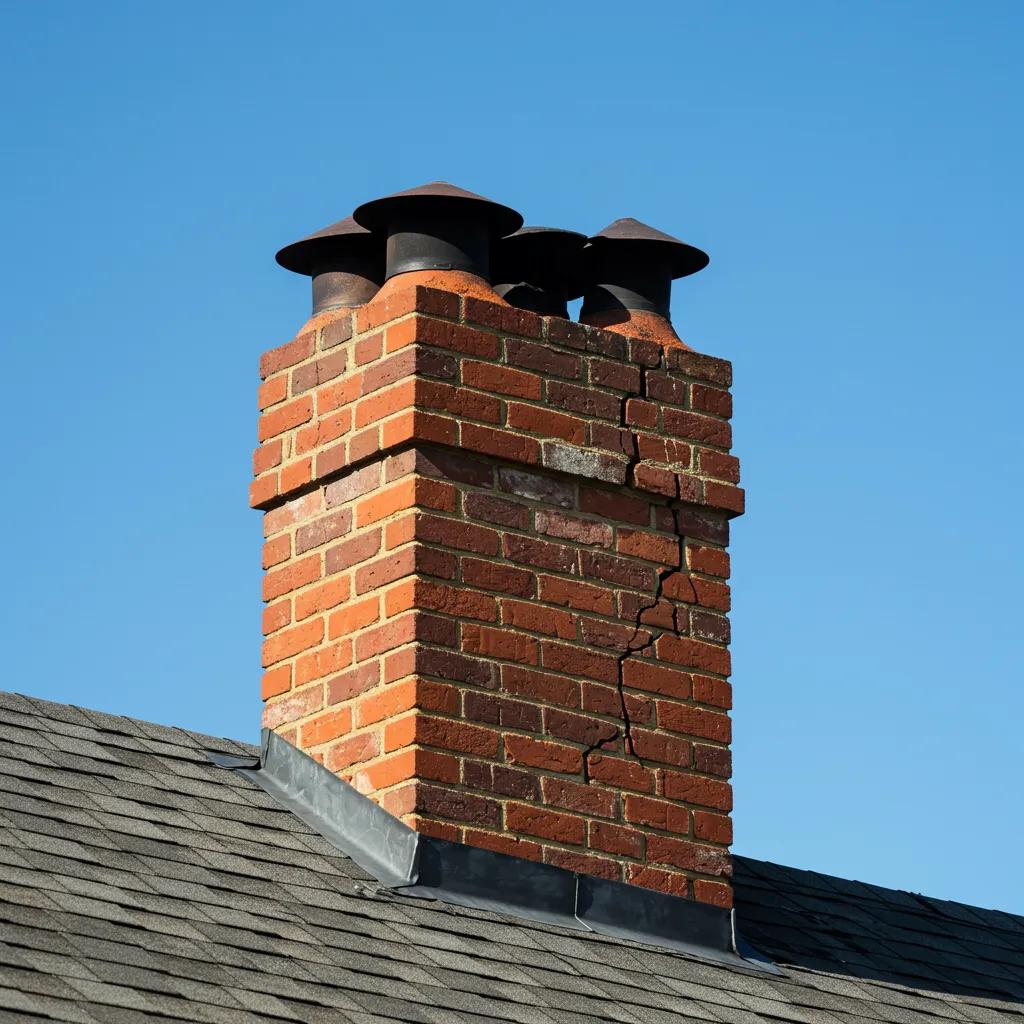
When bricks or mortar joints crack, it’s usually because of stress on the chimney or damage from freezing and thawing. These cracks increase the risk of collapse and allow water to seep in.
- Small cracks versus deep ones: Hairline cracks let moisture in, while wider gaps weaken the whole structure.
- What the cracks tell you: Cracks that look like stairs often mean the foundation is settling, and you’ll need an expert to check it out.
- Where the cracks are: Cracks near the chimney’s top (crown) or where it meets the roof (flashing) can quickly damage important seals.
Catching these cracks early means you can get them fixed with tuckpointing before more bricks start to crumble.
What Does Efflorescence or White Staining on Your Chimney Mean?
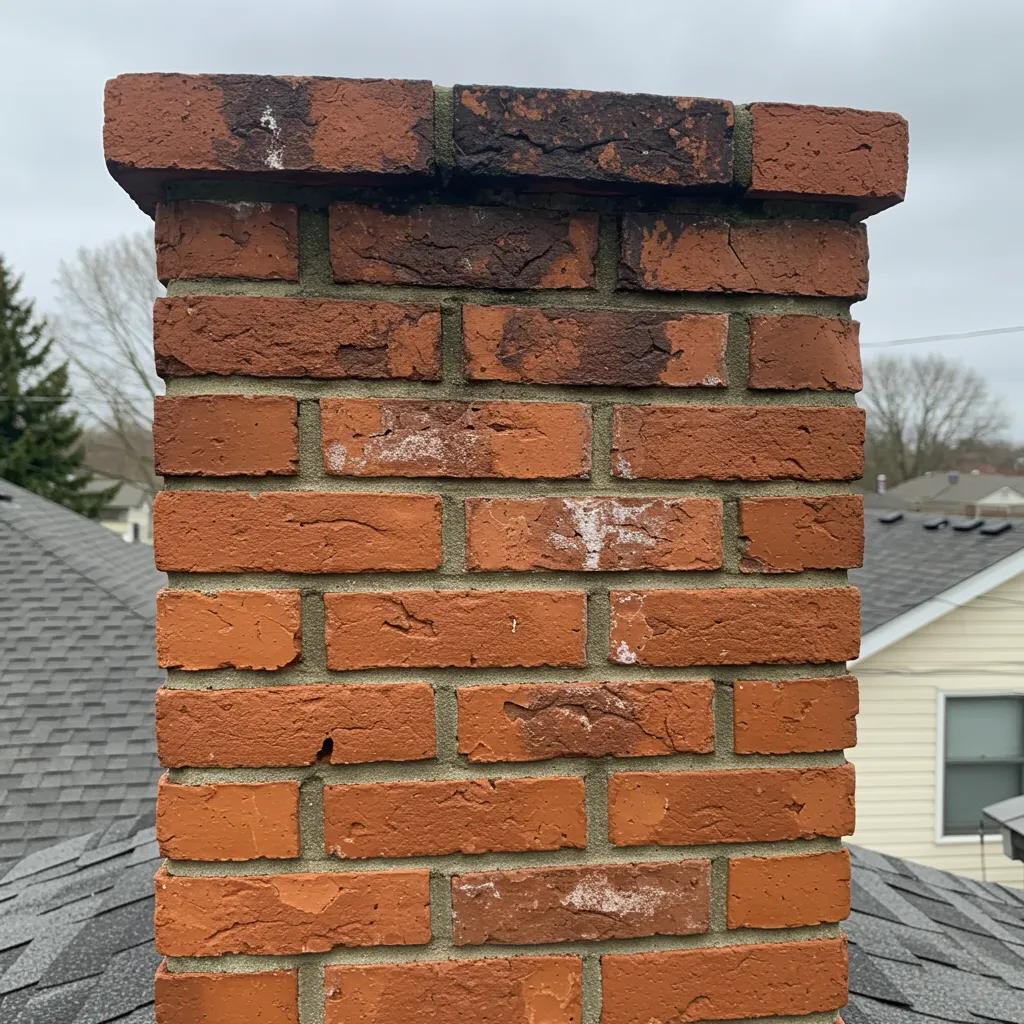
Efflorescence looks like chalky white powder on your bricks. It happens when salts inside the masonry dissolve in water and then come to the surface as the water evaporates. This is a clear sign that moisture is getting into your chimney and weakening the mortar. It can also lead to bricks flaking off (spalling) and encourage mold growth. Fixing efflorescence by sealing the chimney and its crown can restore its strength and prevent more serious damage.
Research on Moisture-Induced Damage in Masonry Chimneys
Studies indicate that penetrating moisture significantly compromises masonry materials, leading to crack formation due to the cyclic freezing and thawing of water within the pores. This process, where water expands upon freezing, creates internal pressures that cause bricks to flake and mortar to crumble. Furthermore, efflorescence, appearing as white deposits, signals persistent moisture penetration and the migration of soluble salts to the surface, which can further degrade masonry integrity.
This research directly supports the article’s claims regarding how water intrusion, freeze-thaw cycles, and efflorescence lead to visible cracks, spalling, and overall deterioration of brick chimneys.
How Can You Identify a Leaning or Tilting Chimney Stack?
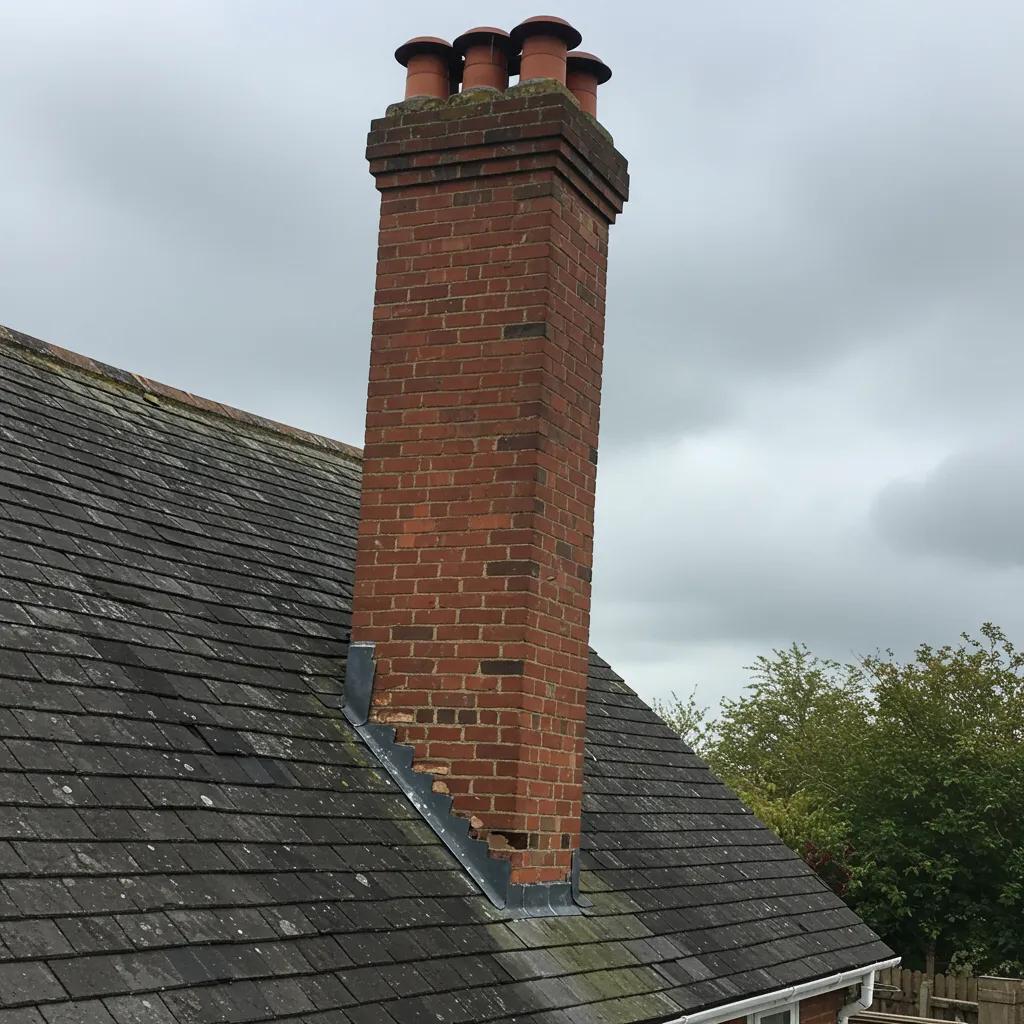
A chimney that’s leaning usually means the ground beneath it has shifted or the foundation has settled, throwing the chimney off balance. You might notice:
- A gap between the chimney and the house wall, above where it meets the roof.
- It looks crooked when you view it from the ground.
- Diagonal cracks in the mortar that follow the direction of the lean.
To fix a leaning chimney, you’ll likely need to reinforce the foundation with things like underpinning or helical piers to stabilize it and get it back in a safe, upright position.
What Are the Warning Signs of Water Leaks in the Firebox or Interior Walls?
Water getting into your firebox or nearby walls is often caused by bad flashing, a cracked chimney crown, or a missing cap. This can lead to dampness around your fireplace and damage to the firebricks. Keep an eye out for:
- Rust or corrosion on the metal parts of your damper.
- Damp patches or peeling paint/plaster near the chimney.
- Green or dark stains on the inside surfaces of your chimney.
Fixing the flashing and crown quickly will stop further water damage and protect your fireplace.
How Does Spalling or Crumbling Bricks Signal Urgent Repair Needs?
Spalling happens when bricks start to flake or crumble. This is often caused by water getting into the brick and then freezing and expanding, pushing the surface off. At first, you might just see small pits, but it can get much worse, with large pieces breaking off. This exposes the inside of the brick, making it more vulnerable to moisture. Repairing these bricks and sealing the surface is crucial to stop the decay and ensure the chimney lasts.
Why Is a Damaged or Missing Chimney Cap or Crown a Serious Concern?
The chimney cap and crown are like the roof for your chimney. They keep rain, snow, debris, and animals out. If the cap is damaged or missing, or the crown is cracked, water can pour straight into the chimney. This can ruin the mortar and the liner inside. Replacing a broken cap or fixing the crown is essential to protect the chimney’s structure and keep your indoor air clean.
How Can You Detect a Deteriorated Chimney Flue Liner?
Signs of a worn-out flue liner include rust-colored stains, cracked tiles, or sections that seem loose. These issues mean smoke and dangerous gases might not be getting out properly. A quick check with a flashlight inside the flue after a fire can reveal rough spots or cracks, indicating that the liner needs to be replaced or a stainless-steel insert installed to ensure safe venting.
What Are the Signs of Smoke Back-up or Draft Issues in Your Chimney?
If smoke is coming back into your house or the draft isn’t working right, it could be due to blockages, air pressure problems, or obstructions in the flue. Watch out for:
- Smoke spilling into your room when you light a fire.
- A constant smell of soot around the fireplace.
- Strange gurgling or whistling noises when the chimney is in use.
Clearing out any blockages and making sure the flue is the right size will fix airflow problems and reduce indoor air pollution.
What Causes Brick Chimney Damage and How Does It Affect Safety?
Damage to brick chimneys comes from weather, wear and tear, and shifting foundations. All these factors weaken the structure and make it unsafe. Water getting inside speeds up crumbling and mortar damage, while ground movement can cause the chimney to lean and potentially fall. For example, small cracks that aren’t fixed can let in more water, which freezes and expands, turning minor issues into major repair jobs.
| Cause | Affected Condition | Safety Impact |
|---|---|---|
| Water intrusion | Spalling bricks | Mold growth, weakened masonry bonds |
| Freeze-thaw cycles | Mortar joint cracking | Structural instability, collapse risk |
| Foundation shift | Chimney tilt | Potential collapse, gap around flashing |
| Missing crown seal | Interior moisture | Firebox rot, interior wall damage |
| Deteriorated liner | Smoke/CO leakage | Health hazard, fire escalation |
How Does Water Damage Lead to Chimney Deterioration?
Water starts the damage process by getting into tiny cracks, causing efflorescence, spalling, and washing away mortar. When water freezes and thaws inside these cracks, it expands and makes them bigger. Over time, the bricks become weaker and start to flake. Waterproofing the chimney and fixing the crown are essential to stop this ongoing damage.
What Foundation or Soil Issues Cause a Chimney to Lean?
Problems like soil settling, frost pushing the ground up, or a weak foundation can cause the chimney’s base to shift, leading to a lean. When the foundation settles, it puts stress on the chimney, causing diagonal cracks. Fixing this often requires reinforcing the foundation with underpinning or structural piers to stabilize and straighten the chimney.
How Do Cracked Mortar Joints Develop and What Are Their Effects?
Mortar joints crack due to changes in temperature, moisture, and the natural aging of the cement. Over the years, the mortar can shrink or crumble. These cracks let water seep in, speed up brick damage, and require tuckpointing to restore the joints’ strength and keep the chimney sealed.
Why Is Flue Liner Damage Dangerous for Homeowners?
A damaged flue liner can’t safely vent smoke and gases out of the house. This increases the risk of carbon monoxide poisoning and house fires. If the liner is cracked or has gaps, the heat from the chimney can reach the surrounding wooden structures, potentially causing them to ignite. Replacing the liner is vital for fire safety.
How Do Weather and Age Affect Brick Chimney Vulnerability?
Constant exposure to sun, rain, snow, and wind wears down the mortar and bricks over time. The heating and cooling from fires also cause the chimney materials to expand and contract, creating stress. As chimneys age, they become more porous and less resistant to the elements, making them more susceptible to the urgent repair issues we’ve discussed.
What Are the Dangers of Ignoring Urgent Brick Chimney Repairs?
Ignoring chimney problems can lead to serious dangers that threaten both your home and the people living in it. Unfixed cracks and leaks can cause the bricks to decay faster and damage the structure inside your house. Plus, the risks of carbon monoxide poisoning and house fires are very real.
- House fires can start if heat escapes through a damaged flue liner.
- Carbon monoxide can leak into your home from blocked or broken flues, which can be deadly.
- The chimney could collapse, either partially or completely, putting anyone on the roof or inside the house in danger.
- Putting off repairs will lower your home’s value and end up costing much more to fix later.
Chimney Fires: Causes, Effects & Evaluation
A damaged chimney flue liner poses significant safety risks, including a heightened potential for house fires and exposure to deadly carbon monoxide. Liners are crucial for protecting combustible materials from extreme heat; a breach can lead to pyrolysis, where nearby materials ignite at lower temperatures. Additionally, damaged liners can hinder proper exhaust flow, allowing dangerous gases like carbon monoxide to leak into the home.
This publication from an established safety organization underscores the article’s warnings about the critical hazards associated with a deteriorated chimney flue liner, including fire and carbon monoxide risks.
Dealing with repair signs right away helps you avoid these problems and protects your home’s value.
When and Why Should You Call a Professional Masonry Contractor?
Bringing in a professional masonry contractor means you get expert knowledge, ensure safety standards are met, and get efficient repairs done. Certified pros use high-quality materials and advanced techniques that go way beyond simple fixes.
What Expertise Does a Masonry Contractor Bring to Chimney Repairs?
A masonry specialist has the skills to handle tuckpointing, rebuild chimney crowns, install flashing, and reline flues, making sure the chimney is both strong and properly sealed. Their knowledge of local building rules and climate means they can provide solutions that are perfect for the GTA and Hamilton area.
How Does Rox Masonry Address Urgent Chimney Repair Needs in GTA and Hamilton?
At Rox Masonry, safety is our top priority. We start with thorough inspections to figure out the exact problem before we choose the best repair method. Our team is skilled in rebuilding chimneys, waterproofing, and replacing liners, restoring both the look and function of your old brickwork.
What Are the Benefits of Getting a Free Chimney Repair Consultation?
A free consultation gives you a chance to get your chimney checked out with no obligation. You’ll get clear cost estimates and a plan for what needs to be done. This open approach helps you budget wisely and schedule repairs before a small issue becomes a big emergency.
How Do Professional Repairs Prevent Future Chimney Problems?
When skilled contractors do the repairs, they fix the underlying issues—like water leaks and crumbling mortar—so they don’t come back. This means less maintenance down the road. Using quality materials and expert workmanship helps your chimney last longer and keeps it working safely.
How Can You Contact Rox Masonry for Emergency Chimney Repairs?
Get in touch with the expert team at Rox Masonry by phone or email to schedule a quick inspection and get urgent repairs started right away. We’re here to protect your home’s safety and value.
What Preventative Maintenance Can Help Avoid Urgent Chimney Repairs?
Regular maintenance is key to preventing emergency chimney work. By taking care of your chimney and adding protective measures, you can keep it in great shape.
How Does Annual Chimney Cleaning Reduce Repair Risks?
Cleaning out creosote and soot buildup stops blockages that can trap moisture and damage the liner. This also reduces fire risks and ensures your chimney vents properly.
Why Is Chimney Waterproofing Important for Brick Longevity?
Applying a breathable waterproofing sealer stops moisture from soaking into the bricks. This prevents efflorescence, spalling, and mortar erosion, helping your masonry last much longer by avoiding freeze-thaw damage.
How Can Chimney Caps and Crowns Protect Against Weather Damage?
A strong chimney cap and a well-built crown act as barriers against rain, snow, and animals getting into the chimney. This reduces moisture inside and keeps the exhaust path clear and safe.
What Role Does Tuckpointing Play in Maintaining Chimney Integrity?
Tuckpointing involves replacing old, damaged mortar with new, matching mortar. This restores the joints’ strength, prevents water from getting in, and keeps the chimney structure solid and weather-tight.
How Can Homeowners Monitor Chimney Health Between Professional Inspections?
Regularly check for new cracks, stains, or loose bricks. Taking photos each year and using a moisture meter can help you track your chimney’s condition and spot any emerging problems early on.
What Are Common Homeowner Questions About Urgent Chimney Repair?
Homeowners often have questions about their chimneys, and clear answers can help you make the right decisions about repairs.
What Are the Most Common Signs of a Bad or Damaged Chimney?
Visible cracks, white powdery stains (efflorescence), a leaning chimney, and crumbling mortar joints are the main signs that your chimney needs attention.
How Often Should a Brick Chimney Be Inspected for Safety?
Experts recommend having your chimney professionally inspected at least once a year, and also after any major storms, to catch potential issues early.
What Causes White Stains or Efflorescence on Chimney Bricks?
Efflorescence occurs when salts within the bricks dissolve in moisture and then crystallize on the surface as the water evaporates.
How Can You Tell If a Leaning Chimney Is Dangerous?
If your chimney is leaning more than a quarter-inch over a six-foot span, or if you see cracks running along the direction of the lean, it’s a serious structural risk that needs immediate attention.
What Is the Typical Cost Range for Urgent Chimney Repairs in GTA?
Emergency chimney repairs can range from a few hundred dollars for minor fixes like tuckpointing to several thousand for more extensive work, depending on the damage and materials needed.
Knowing the signs that your chimney needs urgent repair means you can avoid safety hazards and expensive rebuilds. By combining your own checks with professional masonry services, you can keep your chimney strong and your home’s air safe. Regular maintenance and timely repairs will protect your home from fires, carbon monoxide, and structural failure. Use this guide to take the next step toward a safer, more reliable chimney.