Toronto homeowners, beware of the hidden dangers lurking in your chimneys! Over 70% of home chimney fires stem from neglected maintenance. This guide is your key to mastering chimney cleaning in Toronto, helping you dodge fires, boost your heating’s performance, and stay on the right side of local safety laws. Discover why a clean chimney is non-negotiable, how often to book a sweep, what the pros do, how much it costs, tips for every fireplace type, when repairs are a must, and the specific rules for Toronto. Equip yourself with this knowledge for a cozier, safer home and the confidence that your masonry is in expert hands.
Why Your Toronto Chimney Demands Regular Cleaning
Chimney cleaning is your first line of defense against flammable creosote and soot. It clears out dangerous blockages, ensures a healthy draft, and lets combustion gases escape safely. Think of it as essential preventative care that shields your home from fires, deadly carbon monoxide, and expensive structural damage, all while keeping your flue clear and your masonry sound.
The Real Risks of Creosote and Soot Buildup
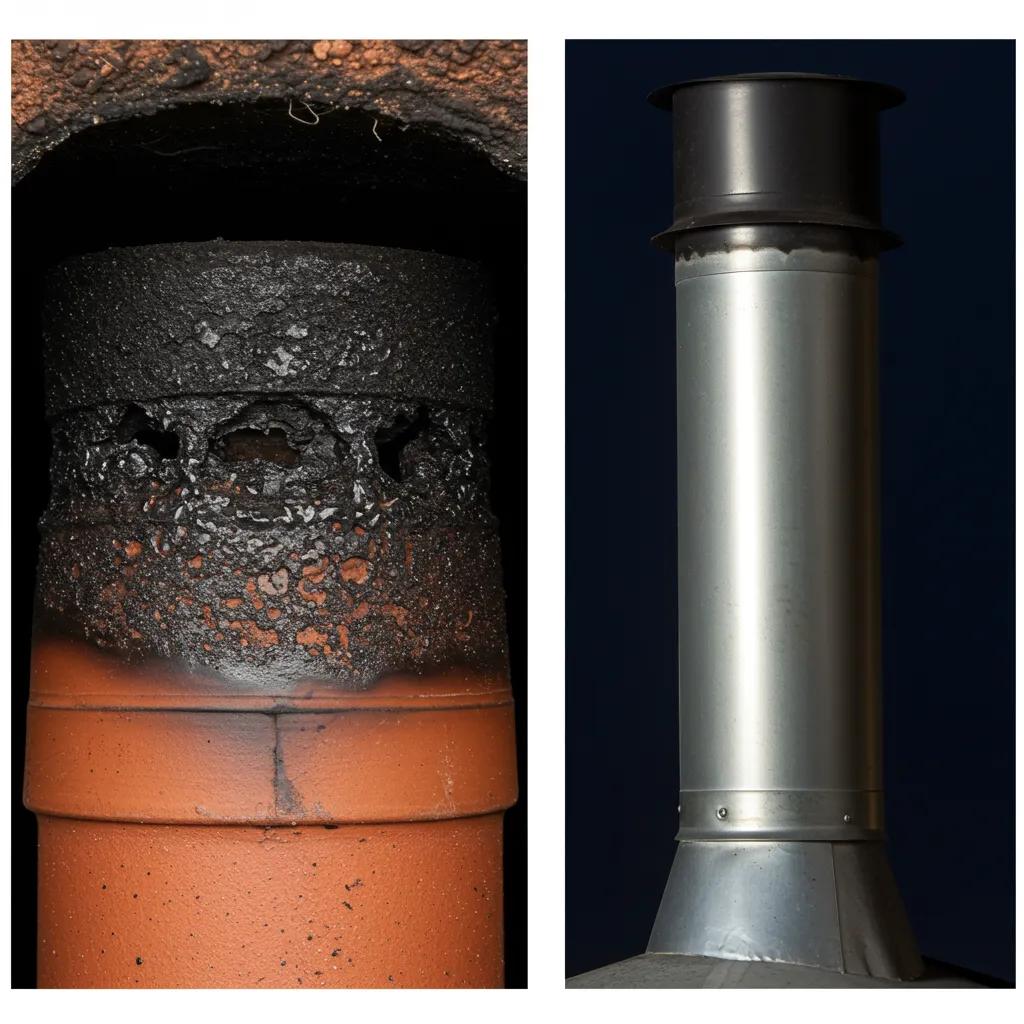
Creosote, a sticky tar-like substance, forms when wood doesn’t burn completely. It clings to your flue walls, hardens over time, and can easily ignite, sparking dangerous chimney fires and sending smoke back into your home.
- Chimney Fire Alert: That hardened creosote can ignite, reaching scorching temperatures over 1,100 °C.
- Carbon Monoxide Threat: A blocked flue means toxic gases can’t escape, potentially filling your living space.
- Masonry Mayhem: The acidic nature of soot and creosote eats away at mortar and brick, weakening your chimney’s structure.
Regular cleaning is vital to protect your family, your home, and the air you breathe.
The Dangers of Creosote Buildup and Chimney Fires
Creosote is a highly flammable byproduct of wood combustion and is identified as a leading cause of chimney fires. Studies indicate that creosote buildup, even as little as 1/8 to 1/4 inch (3-6 mm), was involved in a significant majority of reported chimney fires, highlighting its critical role as a fire hazard.
This research directly supports the article’s claims regarding the dangers of creosote accumulation and its direct link to chimney fires, emphasizing the need for regular cleaning.
Boost Your Home’s Efficiency and Air Quality with Regular Cleaning
A clean chimney means clear airflow, which translates to a better draft and more efficient burning. Less heat escapes up the flue, meaning you’ll use less wood and save on energy bills. Plus, better exhaust flow keeps smoke where it belongs – outside – ensuring healthier indoor air and banishing unpleasant smoky smells.
What Canadian Fire Statistics Tell Us About Chimney Cleaning Needs
Did you know nearly one in five residential fires in Canada starts in a chimney? Ontario sees the most incidents. Data shows that annual cleaning can slash chimney fire occurrences by a significant 65%. These numbers are a stark reminder to keep up with maintenance, follow the National Fire Code of Canada, and safeguard your Toronto home.
Residential Fire Incidents and Ignition Sources in Canada
Structural fires are the most common type of fire incident in Canada, with residential fires accounting for a large proportion. In Ontario, residential fires constituted 74% of structure loss fires in 2018. Heating equipment, including wood stoves, chimneys, and fireplaces, are frequently identified as ignition sources for fatal fires in the province.
These statistics underscore the prevalence of residential fires in Canada, particularly in Ontario, and highlight heating systems as a significant cause, reinforcing the article’s emphasis on chimney maintenance for fire prevention.
Your Chimney Cleaning Schedule in Toronto: When to Book a Sweep
How often you need your chimney cleaned hinges on what you burn, how often you use it, and how much buildup you see. Sticking to a schedule means removing dangerous deposits before they become a serious threat, ensuring your chimney works reliably and safely.
The Recommended Cleaning Schedule for Wood-Burning Fireplaces
For wood-burning fireplaces, aim for a professional cleaning at least once a year, or after about 40 fires that burn for a good while. If you’re a heavy user or burn less-than-perfectly seasoned wood, consider a sweep twice a year.
| Fuel Type | Recommended Interval | Why It Matters |
|---|---|---|
| Hardwood | After 40 burns or annually | Produces moderate creosote buildup. |
| Softwood | Every 30 burns or biannually | Leads to faster accumulation of flaky deposits. |
| Wood Stove | Annually | Even controlled burns generate soot. |
Keeping to this rhythm prevents creosote layers from exceeding the 3 mm safety limit.
Gas Fireplace Cleaning and Maintenance Frequency
Gas fireplaces need an annual check-up and cleaning. This involves removing any soot from the logs, inspecting gas lines, and confirming the venting system is working correctly. Certified technicians will check pilot lights, clean burner ports, and test your carbon monoxide detectors. This ensures a consistent flame and keeps CO risks at bay.
Warning Signs Your Chimney Needs an Immediate Cleaning
Don’t wait if you notice any of these red flags:
- Creosote buildup thicker than 3 mm inside your flue
- A persistent smoky smell lingering in your home
- Smoke flowing back into the room instead of up the chimney
- Your fireplace isn’t heating as effectively as it used to
Spotting Creosote Thickness and Odour Alerts
Creosote can look like dark flakes or, in advanced stages, a shiny, tar-like substance. Shine a flashlight down the flue to check the depth – if it’s more than 1⁄8 inch (3 mm) thick, it’s time for a professional cleaning. A strong, lingering smoky smell indoors is a clear sign that your chimney isn’t drafting properly and might be blocked.
What’s Included in a Professional Chimney Sweep Service in Toronto?
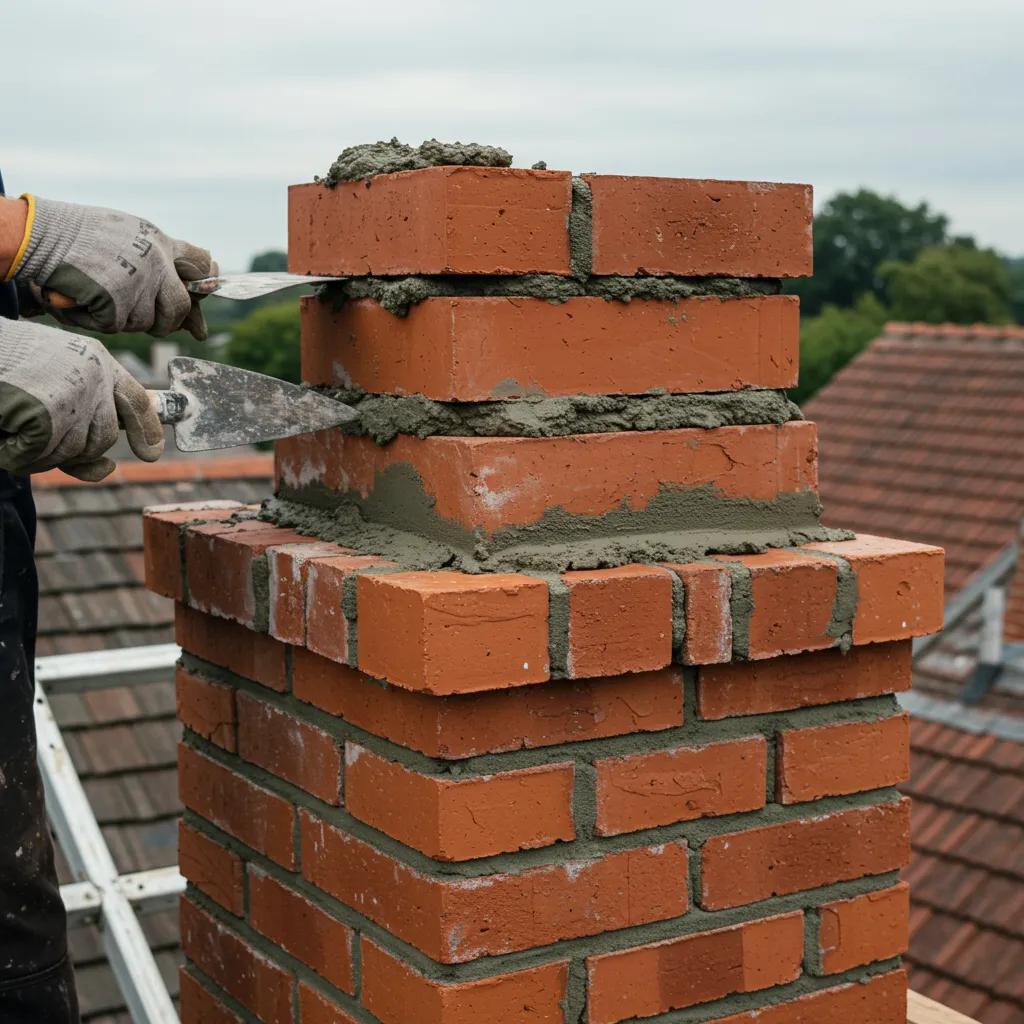
A certified chimney sweep offers more than just cleaning; they provide a thorough inspection and safety check. This systematic process clears obstructions, assesses the flue’s condition, and provides you with a detailed report for complete peace of mind.
Why Hiring a WETT Certified Chimney Sweep is Crucial
WETT certification means a technician has undergone rigorous training in wood energy safety and understands all relevant codes. A WETT certified professional:
- Knows Canadian fire codes and local bylaws inside and out.
- Uses professional-grade tools and HEPA filtration systems to keep your home clean.
- Performs detailed safety inspections and provides official compliance reports.
This certification is your assurance of expert service aimed at preventing fires and ensuring your fireplace operates at its best.
The Step-by-Step Process of a Comprehensive Chimney Cleaning
A professional sweep follows a precise routine:
- Initial Assessment – A camera inspection checks the flue’s condition.
- Site Preparation – Your living space is sealed off, and the hearth is protected.
- Mechanical Scrubbing – Rotating brushes thoroughly clean the flue walls.
- HEPA-Filtered Vacuuming – All dislodged soot and creosote are captured, preventing dust from spreading.
- Component Cleaning – The smoke chamber and chimney cap are cleared of buildup.
- Final Inspection & Report – The flue is confirmed clear, and any necessary repairs are noted.
This meticulous approach guarantees a clean, safe, and fully functional chimney system.
How Rox Masonry Guarantees a Superior Chimney Cleaning Experience
At Rox Masonry, we combine WETT certified experts with cutting-edge camera technology, powerful HEPA vacuums, and specialized cleaning brushes. Every service includes a detailed report with photos and personalized safety advice. We offer complete chimney care, making Rox Masonry your trusted local partner for all your maintenance needs.
Understanding Chimney Cleaning Costs in Toronto
The price of chimney cleaning can vary based on the chimney’s complexity, the amount of buildup, and any extra services like inspections or minor repairs. Knowing what influences the cost will help you budget wisely and compare providers effectively.
Key Factors Affecting Chimney Cleaning Prices
Several elements play a role in the final cost:
- Chimney Size & Structure – Taller chimneys or those with multiple flues naturally take more time and effort.
- Level of Creosote Buildup – Heavy deposits may require more intensive cleaning methods.
- Fuel Type Used – Wood and pellet stoves often have different pricing than simpler gas flues.
- Accessibility & Safety Measures – Steep roofs or difficult access might increase the labor cost.
- Inspection & Reporting Fees – Detailed video inspections and written reports may be itemized separately.
How to Compare Quotes from Different Chimney Cleaning Services
When you’re comparing quotes, look for these key indicators:
| What to Look For | What It Means | The Standard |
|---|---|---|
| Certification | WETT or CSIA accreditation | Essential industry benchmark |
| Service Inclusions | Brushing, vacuuming, camera inspection, report | A comprehensive package |
| Service Guarantee | Assurance of post-service clearance | At least a 30-day guarantee |
| Insurance | Liability and worker’s compensation | Full coverage is non-negotiable |
| Reputation | Verified customer reviews | Average ratings of 4 stars or higher |
Choosing a provider that offers a strong balance of price, qualifications, and thorough service ensures you get the best value and lasting peace of mind.
Tailored Chimney Maintenance: Best Practices for Every Fireplace Type
Giving your chimney the right kind of care based on its type is key to maximizing safety and lifespan. Different systems and materials require specific maintenance routines.
Maintaining Your Wood-Burning Fireplace and Wood Stove
Consistent care for solid-fuel appliances involves:
- Removing ash and any unburned wood after each use.
- Checking for creosote buildup every 4–6 weeks.
- Ensuring the damper works correctly and sealing any air leaks.
- Installing chimney caps to keep out rain, snow, and unwanted visitors.
This diligent approach keeps your fire burning efficiently and prevents premature wear on your masonry.
Essential Cleaning Steps for Gas Fireplaces
Gas systems require a gentler touch:
- Inspect and clean burner ports to ensure an even flame.
- Gently vacuum or wipe down logs and glass doors to remove any soot.
- Test your carbon monoxide detectors and replace batteries as needed.
- Confirm that vent terminations are clear of any obstructions.
Proper maintenance prevents gas flow issues and ensures safe venting.
Caring for Historic Brick Chimneys in Toronto Homes
Older masonry chimneys are susceptible to damage from harsh weather and wear. Best practices include:
- Repairing any deteriorated mortar joints with matching mortar (tuckpointing).
- Sealing chimney crowns and caps to prevent water intrusion.
- Removing any plant growth or white powdery deposits (efflorescence) from brick surfaces.
- Scheduling annual inspections to catch cracks early.
These preservation techniques protect valuable historic structures while keeping them safe and functional.
When Chimney Repairs or Rebuilds Are Needed Beyond Cleaning
While cleaning removes buildup, structural problems require professional repair or a complete rebuild to ensure your chimney remains safe and sound.
Signs Your Chimney Needs Repair, Not Just a Cleaning
Look out for these structural warning signs:
- Cracked bricks or crumbling mortar joints.
- A chimney stack that appears to be leaning or is no longer plumb.
- Water stains or white powdery residue inside your firebox.
- Rust on damper hardware or visible damage to flue liners.
Addressing these issues promptly can prevent more serious damage, like collapse or water infiltration.
How Rox Masonry Excels in Chimney Repair and Rebuild Services
Our restoration process at Rox Masonry is comprehensive:
- In-Depth Structural Evaluation – We pinpoint all areas needing attention.
- Customized Repointing – Failing mortar is meticulously replaced with durable, high-strength options.
- Flue Liner Restoration – We install modern stainless steel liners for safety and code compliance.
- Crown and Cap Restoration – We expertly repair and seal concrete crowns to effectively shed water.
This full-service approach ensures your chimney is not only safe but built to last.
How Regular Cleaning Extends Chimney Life and Prevents Costly Repairs
Consistent cleaning removes corrosive by-products that wear down mortar over time, slowing the degradation of bricks and liners. Clear flues also reduce moisture buildup, preventing damage from freeze-thaw cycles. Partnering with a trusted masonry contractor for regular maintenance keeps your chimney structurally sound and helps you avoid expensive, large-scale repairs down the line.
Toronto-Specific Regulations and Safety Guidelines for Homeowners
Local building codes set clear standards for chimney maintenance, including maximum creosote levels, ensuring property owners across the GTA are aware of their safety obligations.
What the National Fire Code of Canada Says About Creosote Limits
The National Fire Code clearly states that any chimney with more than 3 mm of hard or glazed creosote is considered a fire hazard and must be cleaned immediately. This aligns with Ontario Building Code requirements, aiming to minimize fire risks in residential flues.
National Fire Code of Canada and WETT Certification for Chimney Safety
The National Fire Code of Canada mandates that creosote deposits exceeding 3 mm in a chimney indicate a fire hazard and require immediate cleaning. Furthermore, WETT (Wood Energy Technology Transfer) certification ensures that professionals are rigorously trained in Canadian wood heating system safety standards and code compliance, providing expertise in evaluating, installing, and servicing these systems.
This information directly supports the article’s guidance on adhering to Canadian safety regulations, including the critical creosote thickness limit and the importance of hiring WETT-certified professionals for chimney care.
How Toronto Homeowners Can Prevent Chimney Fires
Follow these best practices for safer fireplace use in Toronto:
- Burn only seasoned wood with a moisture content below 20%.
- Install sturdy stainless steel chimney caps to keep out rain and animals.
- Keep the damper closed when the fireplace is not in use to prevent moisture entry.
- Schedule professional inspections and cleanings before the cold season begins.
Adopting these habits ensures your fireplace is both a source of warmth and a symbol of safety.
Why Annual Chimney Inspections Are Crucial for Toronto Homes
Yearly inspections are your best bet for catching small issues—like cracked liners, deteriorating mortar, or blocked vents—before they turn into major, costly problems. Many insurance policies even require documented annual checks to maintain coverage, making these inspections a smart move for both safety and your finances.
Your Top Questions About Chimney Cleaning in Toronto, Answered
Toronto homeowners often ask about the best cleaning schedules, the risks of DIY cleaning, what creosote really is, and how to maintain gas fireplaces. We’re here to provide clear answers so you can make informed decisions and keep your family safe.
How Often Should My Chimney Be Cleaned in Toronto?
For wood-burning fireplaces and stoves, we recommend a professional cleaning every 12 months or after approximately 40 significant fires. Gas fireplaces also need annual servicing to clear away soot and ensure all safety components are functioning correctly.
Can I Clean My Chimney Myself, or Is a Professional Necessary?
While DIY cleaning kits are available, they often fall short. Inadequate tools and techniques can leave dangerous creosote deposits behind. Professional sweeps use specialized camera equipment, powerful rotating brushes, and HEPA vacuums to ensure a thorough cleaning that meets safety codes.
What Exactly Is Creosote, and Why Is It So Dangerous?
Creosote is a flammable residue created when hot gases from burning wood cool and condense on the flue walls. Once hardened, it significantly increases the risk of a chimney fire. Its acidic nature also corrodes masonry, making complete removal essential for safe operation.
Do Gas Fireplaces Really Need Regular Cleaning?
Yes, they do. Even gas fireplaces can accumulate soot and minor debris. Annual servicing ensures the burners are clear for optimal gas flow and that your carbon monoxide detectors are functioning properly, maintaining both efficiency and household safety.
What Are the Signs My Chimney Needs Cleaning?
Watch for visible black deposits thicker than 3 mm, a persistent smoky smell inside your home, or a sluggish draft that causes smoke to linger in the firebox. Addressing these signs promptly can prevent serious hazards.
Regular, professional chimney cleaning in Toronto is your best strategy for minimizing fire and health risks, while also boosting your home’s heating efficiency and protecting your masonry. Ready to schedule your comprehensive sweep, inspection, or repair consultation? Contact the certified technicians at Rox Masonry for expert local service and complete peace of mind.