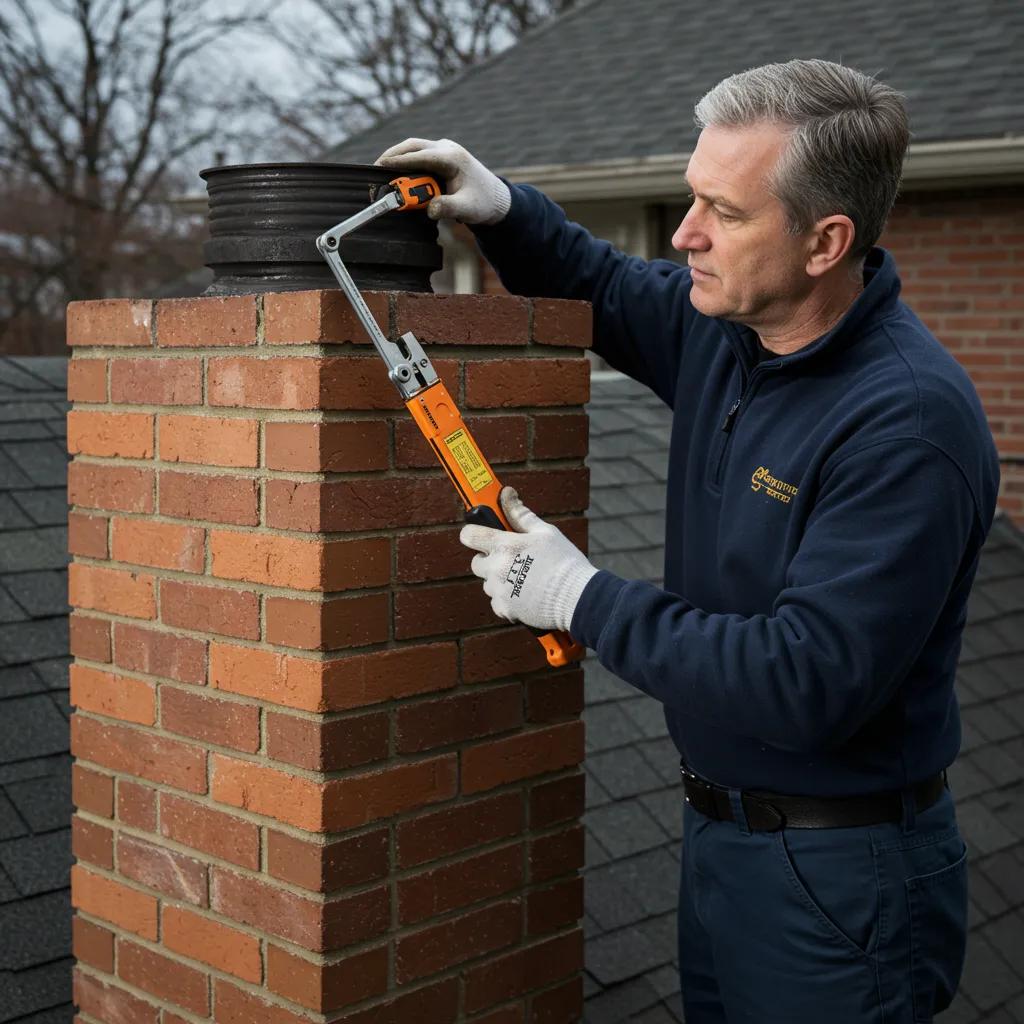
Ignoring your brick chimney in Toronto can lead to expensive water damage and serious safety risks surprisingly quickly. This guide covers essential strategies for inspecting, repairing, rebuilding, and cleaning your chimney, along with clear warning signs and compelling reasons to trust Rox Masonry for expert service. You’ll discover how Toronto’s unique climate accelerates brick wear, what a professional inspection involves, common repair techniques, when a rebuild is necessary, the advantages of cleaning, indicators of damage, and the distinct benefits of choosing Rox Masonry.
Why Is Regular Brick Chimney Maintenance Crucial for Toronto Homes?
Consistent brick chimney maintenance in Toronto is vital for preserving structural integrity, ensuring healthy indoor air quality, and protecting your property’s value. Proactive upkeep addresses moisture issues and freeze-thaw stresses before they escalate into major repair needs.
How Does Toronto’s Climate Impact Brick Chimneys?
Toronto’s frequent freeze-thaw cycles relentlessly drive moisture into mortar joints and brick pores, causing expansion and cracking. This process speeds up spalling and mortar erosion. Over time, persistent freeze-thaw damage weakens the chimney’s stability and allows water to infiltrate, worsening with each seasonal temperature shift.
Masonry Performance in Toronto—Diagnostics and Repair Priorities for Brick and Chimneys
Toronto’s climate, characterized by frequent freeze-thaw cycles, lake-effect winds, and driving rain, creates challenging conditions for brick facades and chimney assemblies. Understanding how these systems manage moisture, movement, and load is crucial for effective maintenance planning and addressing vulnerabilities before they lead to structural or safety issues.
This research directly supports the article’s explanation of how Toronto’s climate accelerates brick decay and the importance of proactive maintenance to address these specific environmental stresses.
What Are the Safety and Property Value Advantages of Consistent Maintenance?
Regular chimney upkeep enhances home safety by preventing carbon monoxide leaks and reducing fire hazards, while also safeguarding your property’s resale value through its appealing exterior presence.
- Prevents flue blockages that lead to smoke backdrafts
- Halts water leaks that can damage roof structures and interior ceilings
- Maintains the attractive appearance of brickwork for stronger market appeal
Consistent care not only boosts safety but also facilitates smoother property transactions.
How Do Building Codes Shape Chimney Maintenance in Toronto?
Ontario building codes mandate structurally sound chimney systems, appropriate flue liners, and secure flashing to prevent fire risks and water intrusion. Compliance with local regulations ensures legal adherence and homeowner protection. For instance, code-compliant stainless steel liners and correctly installed chimney caps prevent dangerous gas leaks while minimizing insurance complications.
Ontario Building Code: Chimneys and Flues
The Ontario Building Code, specifically Regulation 332/12, mandates stable chimney structures, proper flue lining, and secure flashing to prevent fire hazards and water ingress. These regulations also specify minimum height requirements for chimneys above the roofline to ensure safety and compliance.
This citation directly supports the article’s claims about how Ontario building codes influence chimney maintenance and ensure legal compliance and homeowner protection.
What Does a Professional Brick Chimney Inspection in Toronto Entail?
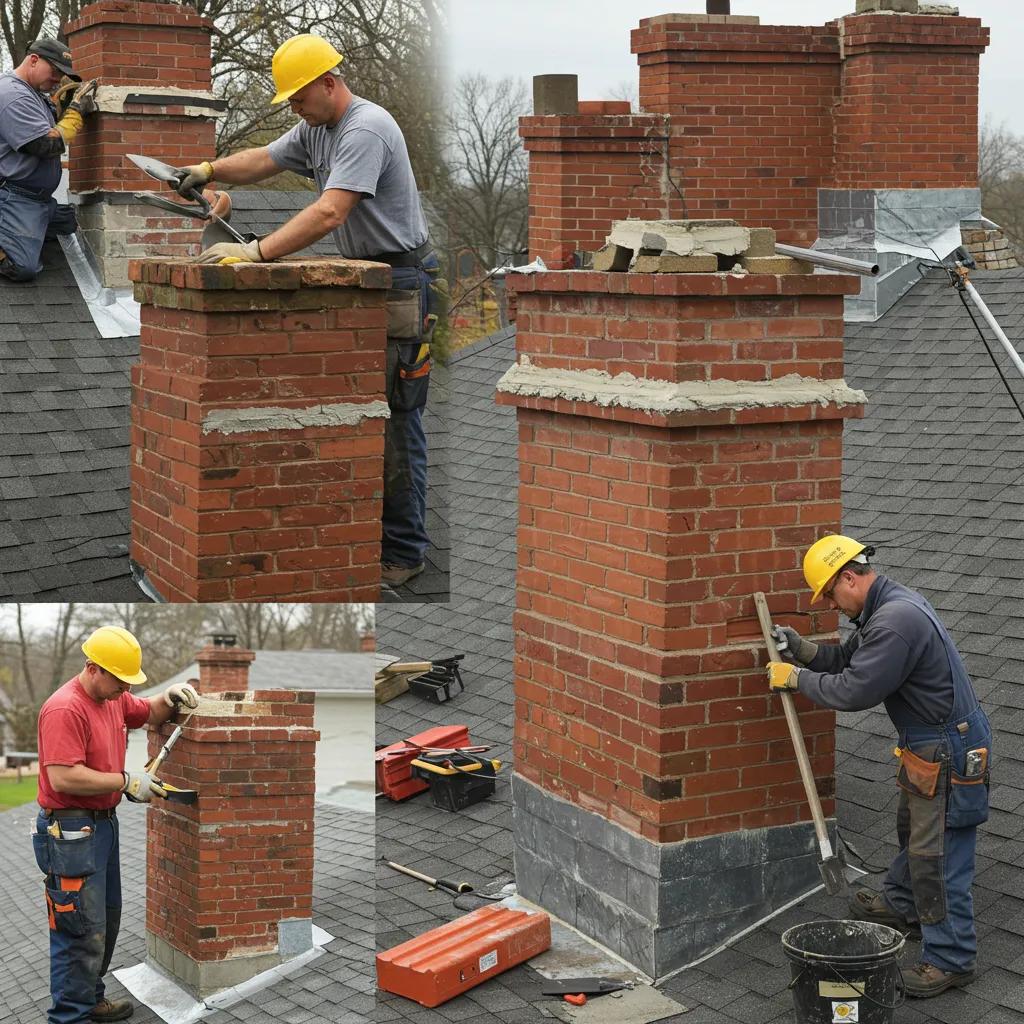
A professional chimney inspection identifies hidden structural issues early on, averting emergencies and costly rebuilds. Our trained technicians meticulously examine every component, combining visual assessments with advanced diagnostic tools to guarantee safety.
How Often Should You Schedule a Chimney Inspection in Toronto?
Annual inspections—ideally scheduled before the heating season begins—ensure safe operation and extend your chimney’s lifespan. A yearly check-up detects developing mortar deterioration and flue obstructions before winter’s harsh freeze-thaw cycles can worsen any damage.
What Are the Key Components Examined During an Inspection?
Before recommending any repairs, our certified inspectors thoroughly evaluate:
- The condition of the chimney crown and cap
- The state of mortar joints and any signs of spalling
- The integrity and clearance of the flue liner
- The seals of the flashing around roof intersections
The assessment of each element guides precise maintenance planning.
What Is the Typical Cost of a Chimney Inspection in Toronto?
Inspection fees generally range from CAD 150 to CAD 300, varying with chimney height and accessibility. This pricing reflects the time of our skilled technicians, the use of diagnostic equipment, and a comprehensive post-inspection report detailing prioritized recommendations.
What Are the Most Common Brick Chimney Repair Services in Toronto?
When inspections reveal damage, targeted repairs are essential to restore stability and prevent further deterioration. Common services include tuckpointing, brick replacement, crown repair, and flashing restoration to safeguard against moisture and structural failures.
How Is Mortar Repair and Tuckpointing Performed on Brick Chimneys?
Tuckpointing revitalizes deteriorated mortar joints by carefully removing loose material and applying a fresh, compatible mortar blend.
- Old mortar is meticulously cleaned out to a uniform depth.
- A high-strength mortar, precisely matched to the existing brickwork, is mixed.
- New mortar is firmly pressed into the joints and tooled to match the original profile.
- The repaired areas are allowed to cure and are then sealed for moisture resistance.
This process effectively restores structural support and halts water infiltration.
How Do You Address Cracked, Spalling, or Efflorescent Bricks?
Repairing damaged bricks involves carefully removing compromised units and installing new bricks that precisely match the original color and texture. Efflorescence stains are professionally cleaned, and once new bricks are set, a breathable sealant is applied to block external moisture while allowing internal vapors to escape.
When Is Chimney Crown Repair or Replacement Necessary?
Chimney crowns act as crucial caps, deflecting rainwater away from the structure. Repair or complete replacement becomes essential when crowns develop cracks or delamination, allowing water to seep into the masonry. Visible surface cracks, crumbling edges, or missing concrete sections are clear indicators that crown restoration is needed.
How Is Chimney Flashing Repaired to Prevent Water Damage?
Chimney flashing creates a watertight seal between the roof and the chimney structure. Effective repair involves removing any corroded metal, installing new lead or stainless-steel flashing, and sealing all seams with a high-grade roofing sealant. Proper installation ensures water is channeled away from the masonry, preventing costly leaks.
Common Repair Types and Their Benefits
Here’s a comparison of typical chimney repairs, outlining their purpose and the value they bring to homeowners:
| Repair Type | Purpose | Benefit |
|---|---|---|
| Mortar Joint Tuckpointing | Reinforce weakened mortar seals | Prevents water intrusion and material crumbling |
| Brick Replacement | Remove and install new, matching bricks | Restores structural consistency and visual appeal |
| Chimney Crown Repair | Seal cracks on the chimney’s top surface | Blocks water entry and protects against freeze-thaw damage |
| Flashing Restoration | Renew metal seals at the roofline junction | Eliminates leaks and protects underlying roof structures |
Each specialized repair safeguards the chimney’s longevity and prevents the need for more extensive rebuilding later on.
When Is a Chimney Rebuild Required in Toronto?
A chimney rebuild becomes necessary when cumulative damage compromises the masonry stack to a point beyond effective repair. Rebuilds restore complete structural integrity and safety after prolonged neglect or significant weather events.
What Are the Differences Between Partial and Full Chimney Rebuilds?
Partial and full rebuilds address varying degrees of damage.
Partial rebuilds involve replacing the upper flue section down to sound masonry, often when only the crown or top courses have failed. Full rebuilds reconstruct the entire stack from the flashing upwards. The choice between these options depends on the extent of the damage and your budget.
| Rebuild Type | Scope | Typical Scenario |
|---|---|---|
| Partial Rebuild | Top 2–3 feet of the chimney stack | Cracked crown or significant spalling on upper bricks |
| Full Rebuild | The entire masonry stack above the roofline | Extensive deterioration of multiple mortar joints and bricks |
This breakdown helps homeowners select the rebuild option that best matches their structural requirements.
How Does a Rebuild Restore Structural Integrity and Safety?
A rebuild utilizes fresh materials and modern techniques to enhance stability and ensure compliance with safety codes. After preserving sound lower masonry, our team installs new flue liners, reconstructs brick courses, and applies durable crown and flashing. These elements collectively ensure proper draft and prevent hazardous gas leaks.
What Are Typical Costs and Timelines for Chimney Rebuilds in Toronto?
Chimney rebuilds in Toronto typically range from CAD 3,000–CAD 7,000 for partial rebuilds and CAD 10,000–CAD 20,000+ for full stack reconstructions. Partial projects usually take 3–5 days, while full rebuilds require 7–10 days, depending on the project’s complexity and prevailing weather conditions.
How Can Professional Chimney Cleaning Improve Safety and Efficiency?
Professional chimney cleaning removes creosote buildup and debris that obstruct airflow, leading to improved combustion efficiency and a reduced risk of fire. Thorough sweeping also includes essential safety checks that can identify hidden issues requiring attention.
What Is Creosote Buildup and Why Is It Dangerous?
Creosote is a flammable residue that coats flue walls after wood combustion. Its accumulation narrows the vent and can ignite at high temperatures, posing a significant chimney fire hazard. Removing creosote promotes safer and more efficient heating.
Fireplace Safety: Avoiding the Dangers of Creosote Buildup
Creosote, a highly flammable byproduct of burning wood, accumulates on chimney walls and is a primary cause of chimney fires. A buildup of as little as 1/8 to 1/4 inch of creosote is sufficient to create a fire hazard, with chimney fires potentially reaching temperatures over 1,000 degrees Fahrenheit, which can severely damage the chimney and spread to the home.
This citation verifies the critical information regarding creosote buildup, its flammability, and the associated fire risks, reinforcing the article’s emphasis on professional chimney cleaning for safety.
How Often Should Chimneys Be Cleaned in Toronto’s Climate?
Given Toronto’s humid winters and variable spring temperatures, chimneys should be swept annually or after approximately 50 burn cycles. Regular cleaning prevents the buildup of moisture-laden creosote and maintains optimal draft performance.
What Are the Benefits of Hiring Experts for Chimney Sweeping?
Certified chimney sweeps use specialized tools and equipment to remove 100% of soot and creosote, conduct thorough safety inspections, and provide expert advice on necessary maintenance. Their expertise significantly reduces fire risk, enhances heating efficiency, and extends the chimney’s operational life.
What Are the Clear Signs Your Brick Chimney Needs Professional Attention?
Recognizing chimney distress signals promptly can prevent emergencies and costly restoration work. Identifying early indicators and scheduling expert assessment ensures safe operation and protects your building’s structure.
What Visual Indicators Show Brick and Mortar Damage?
Key visual cues of masonry deterioration include:
- Fine vertical cracks appearing on brick faces
- Bricks with flaking or spalling surfaces
- White efflorescence stains on mortar joints
- Crumbling or missing sections of mortar
Noticing any of these symptoms warrants immediate professional evaluation.
How Can You Detect Chimney Crown and Flashing Problems?
Signs of crown or flashing failure often appear as rust streaks on nearby bricks, water stains inside the home, separated edges on the chimney crown, and loose metal flashing. These indicators suggest potential leaks and structural weakening.
When Should You Call a Masonry Expert for Chimney Assessment?
Contact a masonry expert immediately following severe weather events, if you notice visible masonry cracks, detect water leaks, or observe unusual smoke behavior. Early professional assessment stops minor issues from escalating into major rebuilds or fire hazards.
Why Choose Rox Masonry for Brick Chimney Maintenance in Toronto?
Rox Masonry provides specialized brick chimney solutions, backed by years of local experience, adherence to code-compliant techniques, and a steadfast commitment to long-lasting performance.
What Specialized Expertise Does Rox Masonry Offer in Brick Chimney Repair?
Our skilled craftsmen excel in custom brick matching, advanced mortar formulations, and precise tuckpointing techniques. Whether restoring historic chimneys or working on contemporary fireplaces, we ensure seamless integration and unparalleled durability.
How Does Rox Masonry Address Toronto’s Local Climate and Building Codes?
By utilizing frost-resistant mortar blends, code-approved flue liners, and proactive permit management, we customize every repair to suit Toronto’s specific freeze-thaw cycles and Ontario building standards. Explore our comprehensive “Chimney Repair and Rebuild Services – Rox Masonry” for detailed solutions.
What Guarantees and Quality Standards Does Rox Masonry Provide?
Rox Masonry confidently stands behind our workmanship with industry-leading warranties, manufacturer-approved materials, and rigorous safety inspections. Our commitment to quality ensures your chimney remains stable, efficient, and code-compliant for years to come.
How Can You Get a Free Consultation for Your Chimney Project?
Schedule a complimentary, no-obligation inspection and quote by visiting “Get a Free Consultation – Rox Masonry”. Our team will thoroughly assess your chimney, outline the necessary services, and propose customized solutions to protect your home.
Investing in chimney maintenance is an investment in safety, efficiency, and peace of mind. Whether you require an annual inspection, targeted repairs, a complete rebuild, or professional cleaning, Rox Masonry’s Toronto-based experts deliver prompt service, code-compliant work, and enduring results. Contact us today for a personalized assessment and ensure your brick chimney remains safe and sound.